Choosing a 22m Telescopic Diesel Boom Lift is not just about reaching a stated height. On a busy construction site, the machine must position workers and tools safely around steelwork, façades, or overhead services. A nominal 22-metre platform height does not guarantee the same working reach across every model. Platform capacity, boom geometry, outreach, and machine setup all affect what operators can do.
This guide compares leading models available in 2026 by examining the specifications that matter in real work. Look closely at platform capacity, horizontal outreach, drive performance, gradeability, and operating dimensions. A machine that fits through a site entrance but cannot reach across an obstacle may cause costly delays. So can a lift with ample reach but limited capacity for workers and equipment. Check the manufacturer’s current data sheet for exact figures, and confirm that the listed height refers to platform height or working height.
Ground conditions deserve attention. Diesel boom lifts are often chosen for outdoor applications, yet soft soil, slopes, and uneven surfaces can affect access and stability. Tire type, four-wheel drive, and machine weight should match the site, not just the sales brochure. Maintenance access matters, too. Daily inspections take less time when service points are easy to reach. Small detail. Big difference. Model names and configurations can vary by market, and published figures may change. Treat this overview as a starting point, then verify specifications with the manufacturer or authorized supplier. No model suits every job. That is worth remembering.
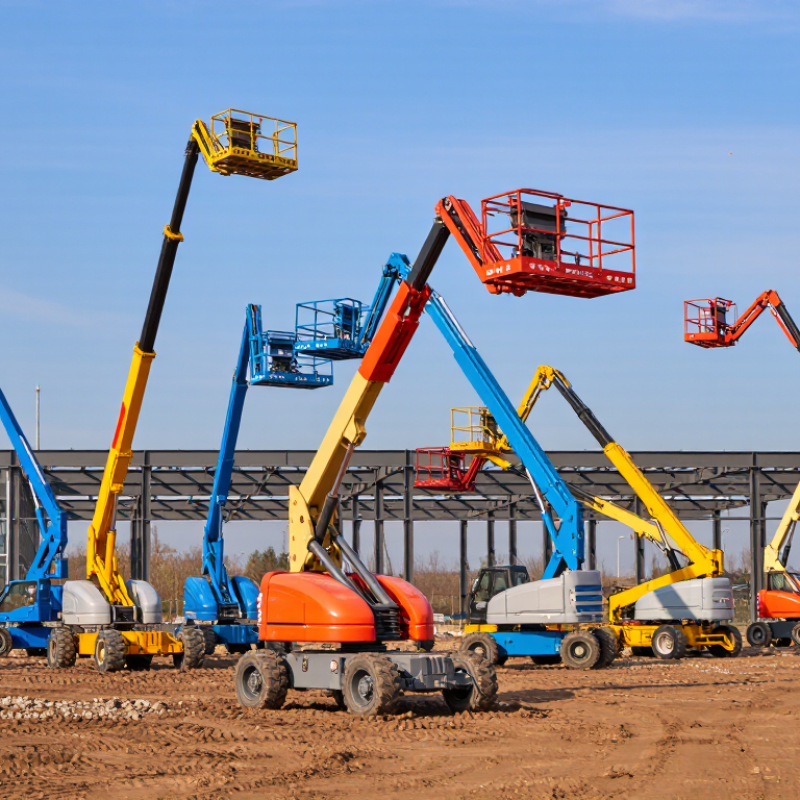
A 22m telescopic diesel boom lift is defined by its reach, power source, and working envelope—not height alone. The “22m” figure usually refers to maximum working height, measured with an operator standing on the platform. Platform height is lower, so check how each specification is measured before comparing models.
A straight telescopic boom extends outward in sections, helping workers reach elevated areas across obstacles such as roof edges or steel frames. Diesel power suits outdoor sites where sustained operation and rough-terrain travel are needed. Four-wheel drive, oscillating axles, and suitable tires can improve movement over firm, uneven ground, but performance depends on site conditions. Mud still matters.
Look closely at horizontal outreach, platform capacity, and the permitted number of occupants. A lift may reach the stated height only within a specific load and boom position. Wind limits, ground firmness, and overhead clearance also affect safe operation. For example, a platform carrying tools near a façade needs enough outreach without exceeding its rated load. Specifications can be easy to misread; the operator manual and a site assessment provide the practical details.
A 22m telescopic diesel boom lift converts engine power into controlled hydraulic movement. The diesel engine drives a hydraulic pump, which sends pressurised oil through valves to cylinders and drive motors. These components raise the boom, extend its telescoping sections, turn the platform, and move the chassis. Controls in the platform let an operator adjust these functions. Slowly. The platform’s levelling system helps keep the basket upright as the boom changes angle.
The machine’s reach is not simply its stated height. Boom angle, extension, platform load, and ground slope all affect its working envelope. On uneven sites, tyres and any fitted stabilisers must be positioned as the operating instructions specify. This is where theory meets a muddy worksite. IPAF’s 2024 Global Safety Report recorded 100 fatalities involving powered access equipment in 2023, based on reports from 20 countries. The figure covers varied equipment and incidents; it is not specific to diesel boom lifts. Still, it underlines why operators should inspect controls, leaks, tyres, and emergency-lowering functions before work. A practical detail often overlooked: cold hydraulic oil can make early movements feel less responsive, so gentle control inputs matter. Always check the lift’s rated capacity and operating limits for the exact model.
Key Specifications of 2026 22m Models
A 22m telescopic diesel boom lift typically offers about 22m working height and roughly 20m platform height. Published specifications commonly show 17–18m horizontal outreach and platform capacities around 230–300kg. These are indicative ranges, not guaranteed figures. Check the model’s load chart: capacity can change with boom position. Typical transport dimensions are about 2.4–2.5m wide, with machine weight often near 10–12 tonnes. That weight matters on soft ground. A neat headline number can mislead.
IPAF’s Global Safety Report 2024 recorded 100 powered-access fatalities worldwide in 2023. The figure covers the sector, not 22m lifts alone, but it underlines the value of sound setup and operator checks. For diesel models, compare gradeability, axle configuration, ground clearance, fuel capacity, and wind rating alongside reach. Confirm whether the stated height means platform height or working height; the difference is usually about two metres.
Tips: Check outreach at the actual working load. Inspect the ground beneath each wheel, especially near edges. Allow room for the chassis to turn.
| Specification | Typical 22 m class range | What to check |
|---|---|---|
| Maximum working height | Approximately 21.5–22.5 m | Working height is commonly stated as platform height plus approximately 2 m. |
| Maximum platform height | Approximately 19.5–20.5 m | Confirm the rated platform height in the manufacturer’s specification. |
| Maximum horizontal outreach | Approximately 17–19 m | Outreach depends on boom geometry, platform load, and operating position. |
| Platform capacity | Typically 230–450 kg | Some machines use different capacity limits depending on the permitted work envelope. |
| Platform size | Approximately 0.8–2.4 m wide and 0.8–1.0 m deep | Platform extensions and optional configurations may change usable dimensions. |
| Overall width | Approximately 2.3–2.5 m | Check transport width, axle configuration, and any removable components. |
| Stowed height | Approximately 2.5–3.0 m | Height can vary with the platform position and whether the machine has a jib. |
| Overall length, stowed | Approximately 9–11 m | Use the transport configuration dimensions for route and trailer planning. |
| Machine weight | Approximately 10,000–13,000 kg | Options, tires, and drive configuration affect total weight and ground pressure. |
| Drive and steering | Diesel engine; commonly 4-wheel drive and 4-wheel steering | Available modes vary; check turning radius and axle oscillation features. |
| Gradeability | Often approximately 30–45% | The published value is generally for travel with the boom stowed, not elevated operation. |
| Typical applications | Construction, steel erection, industrial maintenance, and outdoor facility work | Select according to reach, ground conditions, platform capacity, and site access. |
2026 Top 22m Telescopic Diesel Boom Lift Models
Comparing Leading 22m Model Features
A 22m working height does not guarantee equal performance. Compare each machine’s working envelope, platform capacity, and horizontal outreach; the load chart can change as the boom extends. On a crowded site, a compact turning radius may matter more than maximum reach. For rough ground, check four-wheel drive, axle oscillation, gradeability, and ground clearance. These features affect access, but their value depends on the terrain and job layout.
Engine and operating details also deserve close attention. Check fuel capacity, noise levels, emissions specifications, and service access against the project’s working conditions. Platform dimensions and controls can influence comfort during a long shift. IPAF’s 2024 Global Safety Report recorded 4,024 reported incidents across 34 countries for 2023. This is not specific to 22m lifts, but it underlines why emergency lowering, fall protection provisions, and clear operator controls belong in any comparison. Numbers need context.
Tips: Compare the actual load chart, not just the headline height. Confirm whether stated reach assumes a particular platform load, and ask for the machine’s operating weight before checking transport plans. A specification sheet cannot fully show how a lift handles a tight, muddy access route. That uncertainty is worth testing on site.
Published specifications for three representative 22m-class models. Model names are anonymized.
Working height and horizontal outreach are shown in meters. Working height is typically measured to the platform floor plus approximately 2 m. Published figures may vary with model configuration and measurement conventions.
A 22m telescopic diesel boom lift should match the job, not just the advertised height. Check whether 22m refers to platform height or working height; the terms are not interchangeable. Compare the required horizontal outreach, platform capacity, machine weight, and stowed dimensions. A narrow access gate or soft worksite ground can rule out a model before it reaches the task.
Inspect the operating area for slopes, holes, overhead structures, and power lines. Follow the machine manual for wind limits, safe clearances, and permitted ground conditions. Before raising the platform, check tires, controls, guardrails, hydraulic hoses, and emergency-lowering functions. Wear the required fall-protection equipment, attached only to approved anchor points. Keep people clear of the boom’s working area, and use a spotter where visibility is limited.
Move slowly. Keep the platform load within its rated limit, including tools and materials. Do not drive while elevated unless the manual specifically allows it under the current conditions. Diesel exhaust also makes indoor use unsuitable without appropriate controls and ventilation. Plans are not perfect. Reassess if the ground shifts, weather changes, or the task requires more reach than expected; lower the platform and reposition rather than stretching beyond the machine’s limits.
„Thanks to the LUVIR technology, the solder resist process could be switched directly from the previously used mask exposure to direct exposure. As an outstanding digital solution on the market, this technology has been able to demonstrate fast process times and superior quality on our certified conventional ink in production. This allowed us to fully digitize the solder mask process at low cost – without process or ink adjustments. An excellent benefit to our production in Rot am See.“
Ralf Göhringer (Head of Production WE Rot am See)
I would definitely recommend the Limata machine and team for a future company purchase
Michael Greenaway
Compunetics Inc.
“The Limata ldi has been amazing!! Best thing we did was buy this machine”
Richard Brady
GM
Circuitlabs
“Since 2019, we have been running the Limata X1000 LDI system (including LUVIR for solder mask imaging) in daily production as an addition to our current process with film. The machine was capable of properly exposing Taiyo PSR-4000 BN (DI) solder mask types on normal to high-copper boards using a new and unique direct imaging process. The machine operating interface is very user friendly which allowed for a quick technical training curve. The pre-registration processing reduced several seconds of production time at every print. Limata support and service staff is incomparable. They supported our team every step of the way at basically any time of the day or night, with literally, an immediate response time, customizing the software interface to best fit our Operations and needs.
We have exposed more than 8,000 prints since end of October, on various solder mask colors and some resist film panels. Limata, has proven to be very capable and innovative. They are a strong contender in the industry.
We have very much enjoyed this project, and working with the team!
Thank you Limata for the continued support and being a part of our growth.”
Bill Sezate
Vice President, GM
Summit Interconnect
As a replacement to our current contact exposure process with film, the LIMATA X2000 system including LUVIR-Technology was capable of properly exposing non-LDI solder mask types using a direct imaging process. The machine offers cutting edge software with a very intuitive operating interface which allowed for quick technician training curve. The dual drawer system combined with pre-registration processing reduced several seconds of production time at every machine cycle. Limata support and service staff is world class. They added software patches to keep production running at shortest possible response times, customized the software interface to best fit our in-house Operations system, and even wrote a step-by-step machine processing manual. As a result of the project, we have exposed more than 16,000 times on various product types and solder mask brands/colors. Limata, in a very short timeframe as a company, has definitely shown they are truly innovative and will be challenging the industry of direct imaging for the top spot.
Kevin Beattie
Process Engineer
TTM Technologies
Forest Grove Division
