The punch press machine is a vital tool in modern manufacturing. As industries evolve, the demand for efficient equipment increases. The global market for punch press machines is projected to reach $7 billion by 2026, driven by advancements in automation and precision engineering. Manufacturer needs are evolving, and so should the tools they use.
In choosing the best punch press machine, buyers must consider several factors. These include tonnage, stroke length, and automation capabilities. Reports from industry experts indicate that machine efficiency can decrease by 15% if outdated models are used. This highlights the importance of investing in advanced technology that meets current production requirements.
However, not all buyers may be aware of the nuances in selecting the right machine for their specific applications. It is crucial to balance cost with quality. Many companies struggle to find machines that offer reliable performance and advanced features. Understanding these complexities can guide buyers in making informed decisions that enhance productivity and profitability.
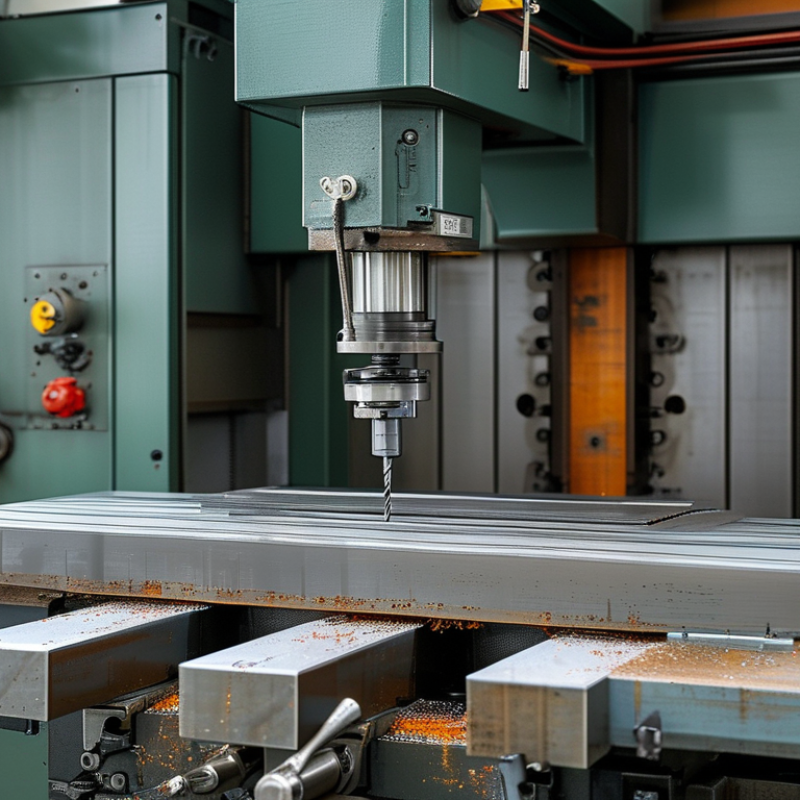
When selecting a punch press machine, key features demand close attention. First, consider the machine’s tonnage, which determines its punching capacity. This specification directly affects the types of materials processed. A heavy-duty model might handle thicker sheets, while lighter models suit thinner materials. Evaluating your needs can ensure you select the right tonnage.
Another critical aspect is the machine's speed and stroke rate. Faster stroke rates enable more efficient production, yet too much speed can decrease precision. A balance between speed and accuracy is essential for achieving quality outcomes. Features like adjustable stroke lengths can also enhance versatility, accommodating various tasks.
Lastly, think about the machine's safety features and user-friendliness. Automatic shut-off systems and emergency stop buttons are vital for protecting operators. A user-friendly interface simplifies operation and reduces training time. Overall, careful evaluation of these attributes can lead to better investment in a suitable punch press machine.
Punch press machines are essential in various manufacturing processes. They help shape, cut, and form materials with precision. Understanding the types available is crucial for any buyer.
There are several types of punch press machines on the market. Mechanical punch presses are widely used for their high-speed performance. They are ideal for straightforward operations like stamping and hole punching. Hydraulic punch presses, on the other hand, offer greater force and flexibility. They handle thicker materials, making them suitable for specialized projects.
Another type is the servo-driven punch press. This machine uses electric motors, providing better energy efficiency and control. However, they can be more complex and require skilled operators. Assessing specific needs and capabilities is vital before purchasing. Considerations like production volume and material types affect the choice. Each type has advantages and drawbacks that merit reflection. Choose wisely based on requirements and expert advice.
In 2026, the punch press machine market is anticipated to expand. With a projected growth rate of 5% annually, buyers must consider key brands and models. Choosing the right machine requires thorough research. According to industry reports, top models excel in precision and durability. They enhance productivity and reduce operational costs significantly.
For optimal performance, evaluate energy efficiency and maintenance needs. Machines that require less downtime typically offer better ROI. Users often underestimate the long-term savings from investing in quality equipment. A well-maintained machine can operate efficiently for over a decade, resulting in lower total costs.
When selecting a punch press, don't overlook brand reputation. Reputable manufacturers often provide comprehensive support and documentation. Pay attention to user feedback and industry ratings. These insights can reveal potential flaws or areas for improvement that may not be evident in product brochures. Investing time in your decision can pay off when you find the perfect machine for your specific needs.
Maintaining a punch press machine is crucial for ensuring efficiency and longevity. Regular inspections can help identify wear and tear early. According to industry reports, nearly 30% of downtime in manufacturing is attributed to equipment failure. Therefore, a proactive maintenance strategy becomes vital. Users should focus on lubricating moving parts frequently and checking alignment at regular intervals.
Keeping the machine clean is equally important. Dust and debris can disturb precision and damage components. A clean machine operates better, promoting accurate production. In fact, studies show that proper cleaning can extend the equipment's lifespan by up to 25%. However, maintenance often falls short due to time constraints or lack of training. Companies must prioritize staff education to bridge this gap and enhance machine performance.
Regularly updating safety protocols also contributes to better machine upkeep. For example, ensuring operators are trained in emergency procedures can prevent accidents. Furthermore, tracking performance metrics can reveal patterns for potential failures. Some operators neglect these metrics, leading to missed opportunities for improvement. This oversight can hinder efficiency in production lines significantly.
When considering the cost-effectiveness of punch press machines, it’s vital to analyze several key factors. The initial investment in a punch press can vary significantly. A recent industry report estimates that prices can range from $15,000 to over $100,000. This wide range showcases the importance of understanding your specific needs before making a purchase.
Operational efficiency is often overlooked. A machine that can produce 30% more parts in the same timeframe will significantly reduce per-piece costs. According to the Association for Manufacturing Technology, maximizing uptime is crucial. Machines built for durability may cost more upfront but can lead to lower long-term maintenance expenses.
**Tips:** Before making a decision, calculate the projected return on investment (ROI). Factor in setup times, energy consumption, and potential downtime.
Consider the training requirements for your team. A more advanced machine may require additional training, which adds to initial costs. Read reviews and reports focusing on user experiences. Balancing upfront cost with long-term savings is essential.
„Thanks to the LUVIR technology, the solder resist process could be switched directly from the previously used mask exposure to direct exposure. As an outstanding digital solution on the market, this technology has been able to demonstrate fast process times and superior quality on our certified conventional ink in production. This allowed us to fully digitize the solder mask process at low cost – without process or ink adjustments. An excellent benefit to our production in Rot am See.“
Ralf Göhringer (Head of Production WE Rot am See)
I would definitely recommend the Limata machine and team for a future company purchase
Michael Greenaway
Compunetics Inc.
“The Limata ldi has been amazing!! Best thing we did was buy this machine”
Richard Brady
GM
Circuitlabs
“Since 2019, we have been running the Limata X1000 LDI system (including LUVIR for solder mask imaging) in daily production as an addition to our current process with film. The machine was capable of properly exposing Taiyo PSR-4000 BN (DI) solder mask types on normal to high-copper boards using a new and unique direct imaging process. The machine operating interface is very user friendly which allowed for a quick technical training curve. The pre-registration processing reduced several seconds of production time at every print. Limata support and service staff is incomparable. They supported our team every step of the way at basically any time of the day or night, with literally, an immediate response time, customizing the software interface to best fit our Operations and needs.
We have exposed more than 8,000 prints since end of October, on various solder mask colors and some resist film panels. Limata, has proven to be very capable and innovative. They are a strong contender in the industry.
We have very much enjoyed this project, and working with the team!
Thank you Limata for the continued support and being a part of our growth.”
Bill Sezate
Vice President, GM
Summit Interconnect
As a replacement to our current contact exposure process with film, the LIMATA X2000 system including LUVIR-Technology was capable of properly exposing non-LDI solder mask types using a direct imaging process. The machine offers cutting edge software with a very intuitive operating interface which allowed for quick technician training curve. The dual drawer system combined with pre-registration processing reduced several seconds of production time at every machine cycle. Limata support and service staff is world class. They added software patches to keep production running at shortest possible response times, customized the software interface to best fit our in-house Operations system, and even wrote a step-by-step machine processing manual. As a result of the project, we have exposed more than 16,000 times on various product types and solder mask brands/colors. Limata, in a very short timeframe as a company, has definitely shown they are truly innovative and will be challenging the industry of direct imaging for the top spot.
Kevin Beattie
Process Engineer
TTM Technologies
Forest Grove Division
