In the rapidly evolving landscape of industrial machinery, the Carbon Kneader Reactor stands out for its versatility and efficiency. Dr. Emily Chen, a renowned expert in polymer engineering, emphasizes its significance: "The Carbon Kneader Reactor is pivotal in advancing sustainable production methods." This statement highlights the increasing importance of eco-friendly solutions in manufacturing processes.
As global buyers seek cutting-edge technology to enhance productivity, understanding the intricacies of Carbon Kneader Reactors is essential. These reactors play a critical role in mixing, melting, and processing materials, particularly in the rubber and plastic industries. Yet, navigating the purchasing landscape can be challenging and filled with complex choices.
Key factors about the Carbon Kneader Reactor include design specifications, material compatibility, and energy efficiency. Prospective buyers must consider their specific production needs and long-term goals. Engaging with industry experts and conducting thorough research can lead to informed decisions. Balancing quality with cost-effectiveness presents its own hurdles. Nevertheless, investing in the right technology can propel businesses forward, embracing both innovation and sustainability.
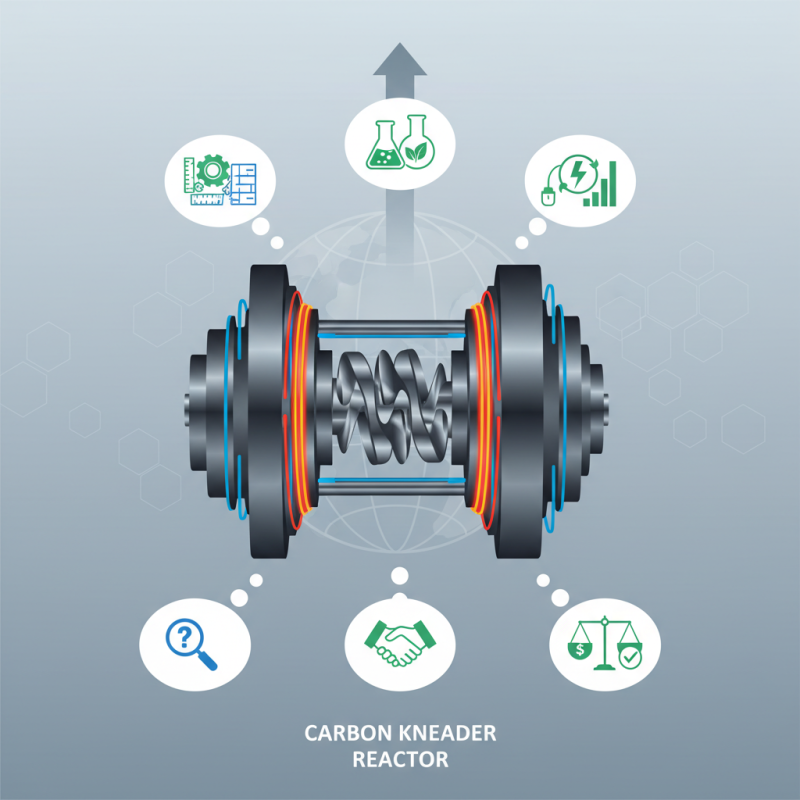
When selecting a carbon kneader reactor, potential buyers should focus on several key features. The capacity of the reactor is crucial. It should align with your production requirements. A reactor too small can limit output. Conversely, one that is too large may lead to inefficiency. It’s important to strike a balance.
Another essential feature is the material construction. Quality materials ensure durability and longevity. A reactor made from high-grade steel can withstand harsh processing conditions. Look for detailed specifications on the materials used. This directly impacts the performance and reliability of the reactor during operation.
Consider the operational ease as well. User-friendly controls and maintenance features can greatly enhance productivity. If a reactor requires complex setups, it may lead to errors. Practical design elements can reduce downtime and improve workflow. This is often overlooked but essential for seamless integration into existing processes. Reflect on how these elements influence your long-term production goals.
When exploring the market for carbon kneader reactors, it's essential to understand the available types. Carbon kneader reactors are versatile machines used in various industries. They blend and mix materials effectively. Understanding their classifications can help buyers make informed decisions.
The most common types are the batch and continuous kneader reactors. Batch reactors are designed for specific quantities. They offer flexibility in production but may require longer processing times. Continuous reactors, on the other hand, enable uninterrupted production. They are efficient for large-scale operations but could demand a higher initial investment. Each type comes with its advantages and limitations.
Additionally, users should consider factors such as material compatibility and heat management. Some reactors offer advanced heating and cooling systems. These features enhance product quality but may complicate maintenance. It's crucial to weigh these factors and reflect on operational needs before making a purchase.
| Type | Capacity (L) | Power (kW) | Temperature Range (°C) | Material | Price Range (USD) |
|---|---|---|---|---|---|
| Batch Reactor | 50 | 15 | 50 - 200 | Stainless Steel | 5000 - 8000 |
| Continuous Reactor | 100 | 20 | 60 - 250 | Alloy Steel | 10000 - 15000 |
| Multi-Screw Kneader | 200 | 30 | 70 - 300 | Carbon Steel | 15000 - 20000 |
| High-Temperature Reactor | 75 | 25 | 80 - 400 | Nickel Alloy | 12000 - 18000 |
When considering the purchase of carbon kneader reactors, various factors significantly influence their pricing. First, material quality plays a crucial role. High-quality materials ensure durability and efficiency, resulting in a higher price. Research indicates that reactors made from stainless steel can cost up to 20% more than those made from lower-grade metals. Buyers must weigh the cost against the lifespan and maintenance of the equipment.
Additionally, the complexity of design directly affects pricing. Advanced features, such as automated control systems, often lead to increased costs. Reports suggest that reactors with integrated smart technology can be 15% to 30% pricier. However, these systems enhance performance and reduce operational risks. Seeking expert advice can help determine if the investment in such features is justified.
Market trends also apply pressure on prices. The global demand for compound materials has surged, pushing prices upward. A study revealed a 10% increase in demand year-on-year. Buyers should also consider the economic conditions in manufacturing regions. Sometimes, geopolitical events can disrupt supply chains, affecting prices unpredictably. It’s essential for buyers to stay informed about industry fluctuations while making their purchasing decisions.
When considering global suppliers of carbon kneader reactors, it's essential to analyze key players in the market. Recent industry reports indicate that the demand for these reactors is rising, owing to their critical role in the production of rubber and plastics. The global market for carbon kneaders is expected to reach USD 2 billion by 2026, driven by advancements in processing technology and increased rubber consumption.
Top manufacturers in this sector often emphasize efficiency and durability in their designs. They focus on blending materials uniformly, which significantly impacts end-product quality.However, not all suppliers meet stringent industry standards. Buyers must be cautious while assessing specifications. Understanding the variances in performance can be complex but crucial for making informed decisions.
Moreover, the factors affecting supplier reliability should not be overlooked. Lead times, support services, and technology integration are all vital components of supplier assessments. Many buyers report frustrations with after-sales support. Reflecting on these experiences can guide future purchases and partnerships with manufacturers.
Maintaining a carbon kneader reactor requires careful attention to both operational processes and regular upkeep. Regular inspections are essential. Check for wear and tear in the mixing blades and reactor walls. Any degradation can impact performance and product quality. Monitoring temperature and pressure gauges can prevent unexpected failures. Reactors operate best within specific parameters. Deviations may lead to suboptimal mixing or, worse, equipment damage.
Operational guidelines are crucial for safety and efficiency. Follow the manufacturer's specifications for feed rates and mixing times. Overloading the reactor can cause excessive strain. Keep the work area clear and organized. This minimizes risks of accidents. Understand the materials you're working with. Not all materials mix well together. Testing small batches can save time and resources.
Documentation of maintenance activities enhances reliability. Keep logs of inspections and repairs. This practice helps identify patterns in equipment performance. It also serves as a reference for future maintenance efforts. Not all issues are predictable. Sometimes problems arise without warning. A proactive approach can reduce downtime and improve overall productivity.
„Thanks to the LUVIR technology, the solder resist process could be switched directly from the previously used mask exposure to direct exposure. As an outstanding digital solution on the market, this technology has been able to demonstrate fast process times and superior quality on our certified conventional ink in production. This allowed us to fully digitize the solder mask process at low cost – without process or ink adjustments. An excellent benefit to our production in Rot am See.“
Ralf Göhringer (Head of Production WE Rot am See)
I would definitely recommend the Limata machine and team for a future company purchase
Michael Greenaway
Compunetics Inc.
“The Limata ldi has been amazing!! Best thing we did was buy this machine”
Richard Brady
GM
Circuitlabs
“Since 2019, we have been running the Limata X1000 LDI system (including LUVIR for solder mask imaging) in daily production as an addition to our current process with film. The machine was capable of properly exposing Taiyo PSR-4000 BN (DI) solder mask types on normal to high-copper boards using a new and unique direct imaging process. The machine operating interface is very user friendly which allowed for a quick technical training curve. The pre-registration processing reduced several seconds of production time at every print. Limata support and service staff is incomparable. They supported our team every step of the way at basically any time of the day or night, with literally, an immediate response time, customizing the software interface to best fit our Operations and needs.
We have exposed more than 8,000 prints since end of October, on various solder mask colors and some resist film panels. Limata, has proven to be very capable and innovative. They are a strong contender in the industry.
We have very much enjoyed this project, and working with the team!
Thank you Limata for the continued support and being a part of our growth.”
Bill Sezate
Vice President, GM
Summit Interconnect
As a replacement to our current contact exposure process with film, the LIMATA X2000 system including LUVIR-Technology was capable of properly exposing non-LDI solder mask types using a direct imaging process. The machine offers cutting edge software with a very intuitive operating interface which allowed for quick technician training curve. The dual drawer system combined with pre-registration processing reduced several seconds of production time at every machine cycle. Limata support and service staff is world class. They added software patches to keep production running at shortest possible response times, customized the software interface to best fit our in-house Operations system, and even wrote a step-by-step machine processing manual. As a result of the project, we have exposed more than 16,000 times on various product types and solder mask brands/colors. Limata, in a very short timeframe as a company, has definitely shown they are truly innovative and will be challenging the industry of direct imaging for the top spot.
Kevin Beattie
Process Engineer
TTM Technologies
Forest Grove Division
