The CNC Bending Machine market is evolving rapidly. In 2026, buyers face exciting new trends. Advances in technology shape design and function. Manufacturers now emphasize precision and efficiency. This shift impacts how companies select CNC Bending Machines.
Several innovative features are emerging. Smart technology enhances automation. Real-time monitoring ensures optimal performance. Buyers need to consider these advancements seriously. Make informed decisions based on these trends.
However, challenges persist. Not all machines offer the same reliability. Maintaining quality control remains crucial. Buyers should research suppliers thoroughly. Selecting the right CNC Bending Machine requires careful deliberation. Reflecting on market changes is essential.
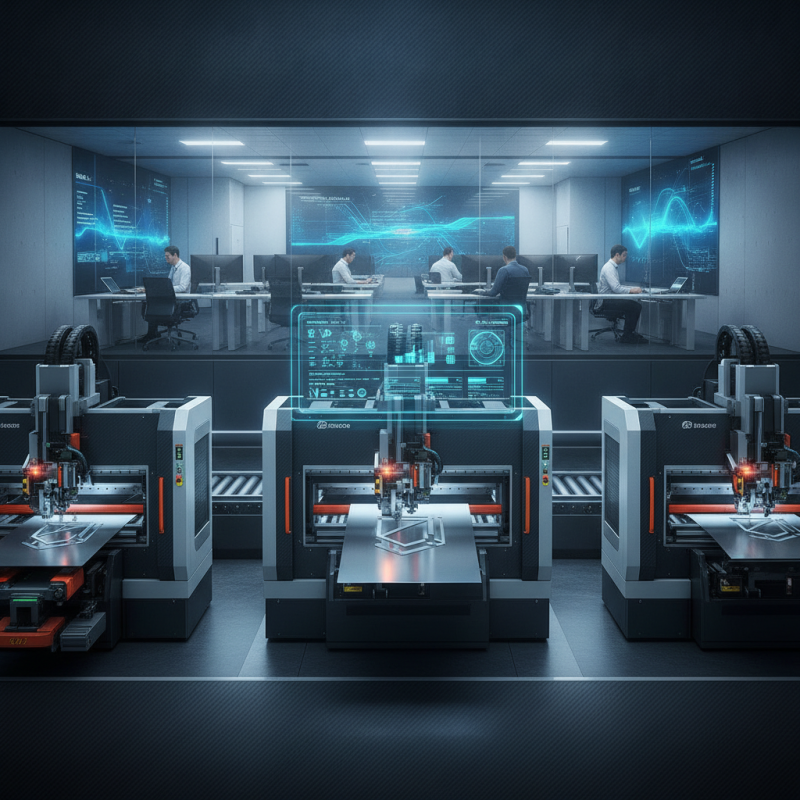
Emerging technologies in CNC bending machines for 2026 show exciting developments. Automation is taking center stage, increasing efficiency and reducing labor costs. Advanced sensors now enable machines to detect material properties on the fly. This capability minimizes errors and enhances accuracy, which is crucial for precise bends.
Artificial intelligence is also making waves. AI algorithms can analyze machining patterns and suggest optimizations. This can lead to significant time savings and reduce waste. However, relying too much on AI raises questions. Can operators maintain quality control without becoming overly dependent on machines?
Furthermore, the integration of IoT is gaining traction. Real-time data collection and analysis allow for proactive maintenance. This can prevent costly downtime and extend machine life. Yet, some manufacturers may struggle with implementation. Cybersecurity concerns also loom large, creating a need for better protocols. These evolving technologies present both opportunities and challenges for the industry in 2026.
The global CNC bending machine market is evolving rapidly. With the rise of automation, manufacturers are seeking increased efficiency. This trend is evident in the integration of advanced technologies such as AI and IoT. These innovations streamline operations and improve accuracy.
Sustainability is becoming a priority for many buyers. Eco-friendly practices in manufacturing processes are gaining traction. Companies are investing in energy-efficient machines to reduce their environmental impact. This shift reflects a broader commitment to sustainability within the industry.
However, challenges remain. The high cost of advanced machines can deter small businesses. Additionally, there is a constant need for skilled operators. As technology advances, training becomes crucial. The gap in expertise might hinder the adoption of new innovations. Balancing cost, technology, and skilled workforce is a complex puzzle for industries.
| Trend | Description | Impact on Market | Estimated Growth (%) |
|---|---|---|---|
| Increased Automation | Integration of AI and machine learning for enhanced efficiency. | Higher productivity and reduced operational costs. | 15% |
| Eco-Friendly Technologies | Use of sustainable materials and energy-efficient processes. | Positive impact on brand image and compliance with regulations. | 10% |
| Smart Manufacturing | Connected machines that enable real-time monitoring and adjustments. | Enhanced quality control and waste reduction. | 20% |
| Customization Capabilities | Flexible machines that can handle various designs and materials efficiently. | Meeting diverse customer demands more effectively. | 12% |
| Advanced Safety Features | Implementation of safety systems to protect operators and machines. | Reduction in workplace accidents and insurance costs. | 8% |
Sustainability is reshaping the design of CNC bending machines. As industries prioritize eco-friendly practices, manufacturers are focusing on energy efficiency and waste reduction. A recent report indicated that 70% of companies aim for greener production methods by 2025. This shift impacts material selection, reducing resources while maintaining quality.
Design trends show that more manufacturers are adopting recyclable materials. Efficient cooling systems in machinery reduce energy consumption by up to 30%. Yet, challenges remain. Material sourcing can be tricky, with limited suppliers offering sustainable options. The balance between cost and environmental impact requires careful consideration.
Tips for Sustainability in CNC Bending Machinery:
Automation is transforming the landscape of CNC bending machines. These advanced systems are designed to improve efficiency and precision in bending operations. Modern machines feature intuitive programming interfaces and real-time monitoring capabilities. This allows operators to manage complex bending tasks with ease. The speed of production can significantly increase, reducing lead times for businesses.
The integration of automation also minimizes human error. Automated systems provide consistent results, leading to higher quality outputs. However, there are challenges to consider. Dependence on technology can lead to operational issues if systems fail. Moreover, skilled operators are still needed to troubleshoot and oversee these machines. Balancing automation with human oversight remains a critical area for improvement.
As the industry evolves, buyers must stay informed. Understanding how automation changes production is vital. While it promises greater efficiency, buyers should also reflect on their needs. Each business has unique requirements that automation may not fully address. The best CNC bending solution combines technology with skilled expertise, maintaining the quality of craftsmanship.
The CNC bending machine market is evolving rapidly. Buyers are looking for machines that not only meet industry standards but also provide advanced features. Innovations are driven by increasing market demands. Manufacturers are focusing on automating processes. This increases efficiency and reduces production costs.
Sustainability is another key trend. Buyers prefer machines that minimize waste. Energy-efficient models are gaining popularity. Integrating smart technology offers real-time monitoring and data analysis. These features allow for better quality control.
**Tip:** Always assess machine adaptability to your production needs. A flexible machine can save time and resources.
Interactivity in CNC machines is becoming crucial. Touchscreen interfaces are now commonplace. Enhanced user experience leads to better operator efficiency. However, complexity can be a challenge. Continuous training is essential for staff.
**Tip:** Invest in ongoing training programs. This will maximize the use of new technology. Understanding features deeply ensures smoother operations.
„Thanks to the LUVIR technology, the solder resist process could be switched directly from the previously used mask exposure to direct exposure. As an outstanding digital solution on the market, this technology has been able to demonstrate fast process times and superior quality on our certified conventional ink in production. This allowed us to fully digitize the solder mask process at low cost – without process or ink adjustments. An excellent benefit to our production in Rot am See.“
Ralf Göhringer (Head of Production WE Rot am See)
I would definitely recommend the Limata machine and team for a future company purchase
Michael Greenaway
Compunetics Inc.
“The Limata ldi has been amazing!! Best thing we did was buy this machine”
Richard Brady
GM
Circuitlabs
“Since 2019, we have been running the Limata X1000 LDI system (including LUVIR for solder mask imaging) in daily production as an addition to our current process with film. The machine was capable of properly exposing Taiyo PSR-4000 BN (DI) solder mask types on normal to high-copper boards using a new and unique direct imaging process. The machine operating interface is very user friendly which allowed for a quick technical training curve. The pre-registration processing reduced several seconds of production time at every print. Limata support and service staff is incomparable. They supported our team every step of the way at basically any time of the day or night, with literally, an immediate response time, customizing the software interface to best fit our Operations and needs.
We have exposed more than 8,000 prints since end of October, on various solder mask colors and some resist film panels. Limata, has proven to be very capable and innovative. They are a strong contender in the industry.
We have very much enjoyed this project, and working with the team!
Thank you Limata for the continued support and being a part of our growth.”
Bill Sezate
Vice President, GM
Summit Interconnect
As a replacement to our current contact exposure process with film, the LIMATA X2000 system including LUVIR-Technology was capable of properly exposing non-LDI solder mask types using a direct imaging process. The machine offers cutting edge software with a very intuitive operating interface which allowed for quick technician training curve. The dual drawer system combined with pre-registration processing reduced several seconds of production time at every machine cycle. Limata support and service staff is world class. They added software patches to keep production running at shortest possible response times, customized the software interface to best fit our in-house Operations system, and even wrote a step-by-step machine processing manual. As a result of the project, we have exposed more than 16,000 times on various product types and solder mask brands/colors. Limata, in a very short timeframe as a company, has definitely shown they are truly innovative and will be challenging the industry of direct imaging for the top spot.
Kevin Beattie
Process Engineer
TTM Technologies
Forest Grove Division
