Choosing the right Shrink Tunnel Machine can be crucial for efficiency in packaging. Industry expert John Smith emphasizes, “A well-chosen shrink tunnel can transform your packaging line.” This underscores the importance of making informed decisions when selecting a machine.
Shrink Tunnel Machines come in various sizes and specifications. Understanding your production needs is essential. Will you be packaging small items or larger products? Different machines cater to diverse packaging types. Moreover, the quality of shrink wrap material affects performance. Poor quality can lead to inefficiencies and increased costs.
While many manufacturers promote their machines as the best, it’s vital to research thoroughly. Consider machine performance under various conditions. Read customer reviews for real-world insights. Identifying potential drawbacks and areas for improvement in machines can lead to better purchasing decisions. Such reflection can save time and money in the long run.
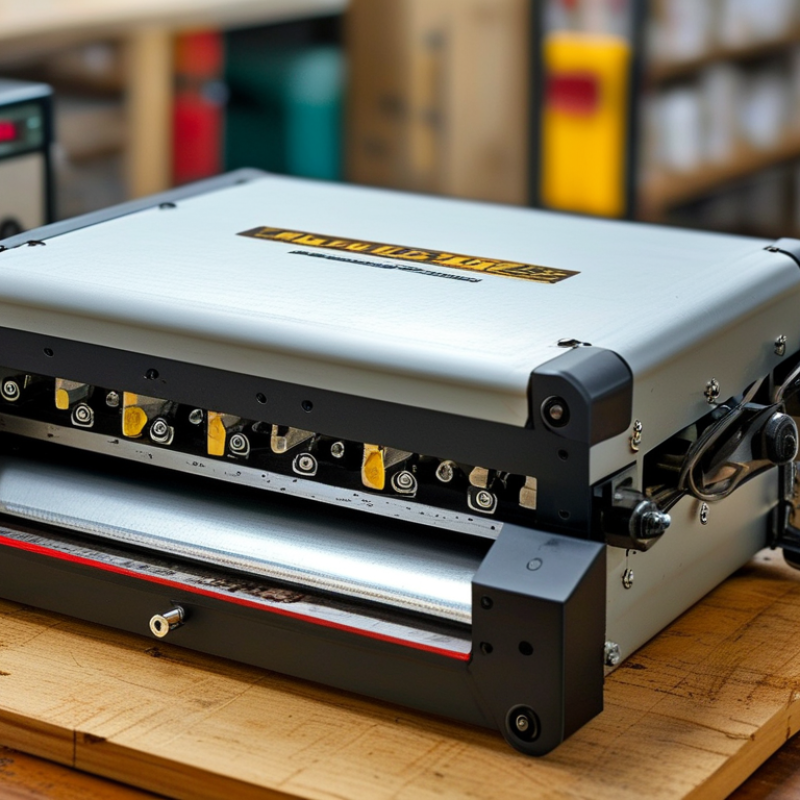
Shrink tunnel machines are essential in many packaging processes. They use heat to wrap plastic film tightly around products. This method helps ensure items stay protected during shipping and storage. Understanding their applications can improve product presentation and prolong shelf life.
When choosing a shrink tunnel machine, consider the size and type of products you’ll be packaging. Some machines are more versatile, while others work best for specific items. Look at the heat requirements and adjust them based on film thickness and material. A machine with adjustable speed can also accommodate various packaging sizes. It's crucial to conduct tests with your products before finalizing your choice.
Evaluate the energy efficiency of the machines. High energy consumption can lead to increased costs over time. Reflect on maintenance needs as well; machines requiring frequent repairs can disrupt production. Connectivity options can enhance operations, so think about automation and control systems. Achieving the right balance in these areas can significantly impact your overall effectiveness.
When selecting a shrink tunnel machine, consider crucial features that influence performance. Temperature control is vital. A machine with precise temperature settings ensures consistent sealing. Look for models with adjustable temperature ranges. This flexibility accommodates different materials. Proper temperature is key in achieving smooth, professional results.
Another important factor is the conveyor speed. The speed affects how quickly products pass through the tunnel. A machine with variable speed settings allows for customization based on packaging needs. Balancing speed and sealing quality is essential for efficiency. Check for reliable speed controls, as inconsistent speeds can lead to packaging defects.
Don't overlook the machine's size and footprint. Compact designs can be a blessing in limited spaces. Yet, ensure the machine can handle your production volume. Larger volumes require robust machines. Factor in both your current needs and projected growth. Investing in the right capacity can save future costs.
Maintenance is a critical aspect too. Look for machines that offer easy access for cleaning. Regular maintenance improves longevity and keeps production smooth. Perhaps, document any issues that occur during the first few months. This reflection can aid in understanding how to optimize machine use and troubleshoot effectively.
When choosing a shrink tunnel machine, understanding the different types is crucial. The most common types include steam, electric, and infrared. Each has unique benefits and considerations. For instance, steam tunnels provide uniform heating, which is essential for delicate products. However, they require careful maintenance to prevent clogs and leaks.
Electric tunnels offer quick heating and low energy costs. They are easier to control but may not work well with all materials. This can limit their versatility. Infrared machines heat quickly but have a shorter heating range. Users may need to adjust their settings frequently for optimal results. Companies must weigh these points when selecting a machine.
When evaluating these machines, consider the materials you process. Some tunnels may not accommodate thicker films. It's essential to test different options and possibly rethink your choices. The decision should align with your production needs and the nature of your products.
When exploring the shrink tunnel machine market, understanding top brands is crucial. Renowned brands often have a strong reputation for quality and performance. They invest in advanced technology, ensuring efficient shrink wrapping. Look for machines that showcase innovative features, enhancing productivity while maintaining product integrity.
When evaluating options, consider the machine's capacity. A machine designed for high-volume operations may be necessary for larger businesses. It's essential to assess the shrink tunnel's temperature range as well. Some products require specific heat levels to achieve optimal shrinkage. Detail matters here; the right settings can prevent damage to packaging.
Pay attention to customer reviews for further insights. Users often share their experiences, highlighting both positives and downsides. This can provide a realistic view of each model's performance. Investing time in research can lead to better purchasing decisions. It’s wise to compare various models side by side. Not all machines will meet your unique needs, so take your time to reflect on what works best for your operations.
Maintaining a shrink tunnel machine is crucial for optimal performance. Regular inspections can help identify wear and tear early. Check for any obstructions in the tunnel and ensure the heating elements are functioning correctly. Misalignment can lead to uneven shrinkage. Keep the machine clean to prevent debris from interfering with operations.
Optimizing your machine's efficiency involves monitoring the temperature settings closely. If the temperature is too high, it may cause damage to packaging. Too low, and you risk improper sealing. Adjust settings based on the materials used. Each type has its own ideal temperature range. Experimenting with airflow can also impact the final product.
Invest time in cultivating a routine maintenance schedule. This can enhance longevity and reliability. Remember, adjustments based on past experiences can lead to improvements. A gradual approach helps in assessing what works best for your specific needs. A breakdown can disrupt production, so proactive measures are essential.
| Feature | Importance | Maintenance Tips | Optimization Tips |
|---|---|---|---|
| Heating Method | High | Regularly check heating elements for wear. | Use appropriate temperature settings for materials. |
| Size and Capacity | Medium | Keep the machine clean to avoid capacity issues. | Adjust flow rates based on package size. |
| Energy Efficiency | High | Inspect insulation regularly for damage. | Use timers to reduce energy waste during downtime. |
| Speed Settings | Medium | Calibrate speed settings to minimize jams. | Experiment with different speeds for efficiency. |
| Control Systems | High | Keep software updated for optimal performance. | Utilize automation features for smoother operation. |
„Thanks to the LUVIR technology, the solder resist process could be switched directly from the previously used mask exposure to direct exposure. As an outstanding digital solution on the market, this technology has been able to demonstrate fast process times and superior quality on our certified conventional ink in production. This allowed us to fully digitize the solder mask process at low cost – without process or ink adjustments. An excellent benefit to our production in Rot am See.“
Ralf Göhringer (Head of Production WE Rot am See)
I would definitely recommend the Limata machine and team for a future company purchase
Michael Greenaway
Compunetics Inc.
“The Limata ldi has been amazing!! Best thing we did was buy this machine”
Richard Brady
GM
Circuitlabs
“Since 2019, we have been running the Limata X1000 LDI system (including LUVIR for solder mask imaging) in daily production as an addition to our current process with film. The machine was capable of properly exposing Taiyo PSR-4000 BN (DI) solder mask types on normal to high-copper boards using a new and unique direct imaging process. The machine operating interface is very user friendly which allowed for a quick technical training curve. The pre-registration processing reduced several seconds of production time at every print. Limata support and service staff is incomparable. They supported our team every step of the way at basically any time of the day or night, with literally, an immediate response time, customizing the software interface to best fit our Operations and needs.
We have exposed more than 8,000 prints since end of October, on various solder mask colors and some resist film panels. Limata, has proven to be very capable and innovative. They are a strong contender in the industry.
We have very much enjoyed this project, and working with the team!
Thank you Limata for the continued support and being a part of our growth.”
Bill Sezate
Vice President, GM
Summit Interconnect
As a replacement to our current contact exposure process with film, the LIMATA X2000 system including LUVIR-Technology was capable of properly exposing non-LDI solder mask types using a direct imaging process. The machine offers cutting edge software with a very intuitive operating interface which allowed for quick technician training curve. The dual drawer system combined with pre-registration processing reduced several seconds of production time at every machine cycle. Limata support and service staff is world class. They added software patches to keep production running at shortest possible response times, customized the software interface to best fit our in-house Operations system, and even wrote a step-by-step machine processing manual. As a result of the project, we have exposed more than 16,000 times on various product types and solder mask brands/colors. Limata, in a very short timeframe as a company, has definitely shown they are truly innovative and will be challenging the industry of direct imaging for the top spot.
Kevin Beattie
Process Engineer
TTM Technologies
Forest Grove Division
