In today's industrial landscape, the demand for durable and efficient components is rising. Ceramic Valve Liners are crucial in achieving these goals. They provide excellent wear resistance and heat tolerance, essential for many applications. As global buyers seek reliable suppliers, understanding the specifications of Ceramic Valve Liners becomes vital.
The market for these products continues to evolve. Buyers must consider several factors, including material composition, dimension standards, and performance ratings. Each specification can significantly impact the overall efficiency of valve systems. Yet, some suppliers may not provide transparent information, leading to potential pitfalls in procurement.
When evaluating options, meticulous attention to detail is necessary. Reliable manufacturers often publish detailed specifications. However, not all information is straightforward. Buyers should conduct thorough research and seek expert opinions to ensure quality is not compromised. Proper insights into the Ceramic Valve Liner market can lead to informed decisions, ultimately enhancing operational durability.
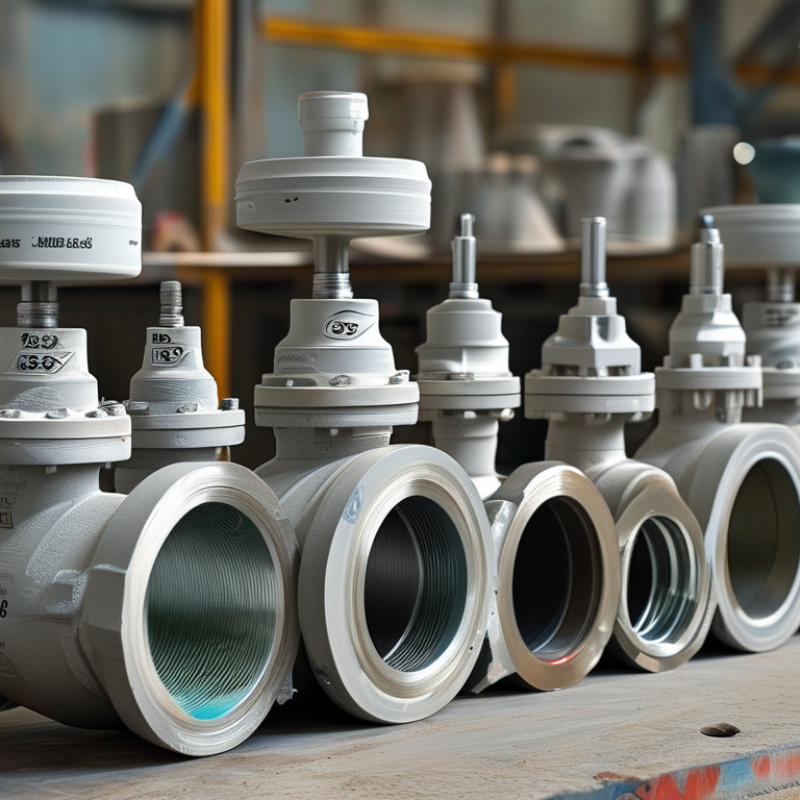
Ceramic valve liners play a critical role in various industries due to their durability and resistance to wear. These liners are designed to withstand high temperatures and corrosive environments, making them ideal for use in chemical processing, oil and gas, and water management sectors. The non-reactive nature of ceramics ensures they do not contaminate processes, preserving product integrity.
However, not all ceramic liners perform equally. Factors such as material composition and manufacturing methods can greatly affect their performance. Some liners may not offer the expected longevity, leading to unexpected downtime and costs. It's essential for buyers to consider both technical specifications and the reliability of manufacturers when sourcing these products.
When it comes to selecting the right ceramic valve liner, buyers should also evaluate real-world performance cases. Some industries report successful implementations, while others have faced challenges. Gathering insights from existing users can provide valuable context. Understanding these nuances can lead to better purchasing decisions, ultimately enhancing operation efficiencies.
In 2026, the market for ceramic valve liners is expected to continue its growth trajectory. Buyers must pay attention to specific key specifications when selecting these components. One critical specification is the hardness of the ceramic material. Increasingly, research shows that hardness can significantly influence durability. A hardness rating exceeding 800 HV remains ideal for high-stress applications, ensuring longevity in harsh environments.
Thermal stability is another vital consideration. The best ceramic valve liners can withstand temperatures reaching 1,600°C. This characteristic is essential for industries like petrochemicals where extreme temperatures can lead to component failure. Current reports indicate that the market demand for thermal-resistant materials is up by 20% compared to last year, showcasing the need for precise thermal specifications.
Moisture resistance also plays a key role. Studies suggest that ceramic valve liners with low porosity levels exhibit better performance in damp conditions. The recommended porosity index should remain below 1.5%, promoting reliability and efficiency. Buyers must challenge existing standards continuously, as evolving industry needs could lead to a reevaluation of these specifications. The balance between performance and cost remains a topic for ongoing discussion among manufacturers and buyers alike.
This chart illustrates key specifications for ceramic valve liners that global buyers should consider in 2026, including hardness, thermal resistance, and corrosion resistance.
The right materials significantly influence the performance of ceramic valve liners. Commonly used materials include advanced ceramics like alumina and zirconia. These ceramics provide strength and wear resistance, making them suitable for demanding applications. The selection of material impacts durability and efficiency. Thus, understanding the unique properties of each material is crucial for manufacturers.
Proper manufacturing techniques are vital for optimal performance. For instance, techniques such as sintering enhance the structural integrity of ceramic components. During this process, temperature and time must be carefully controlled. Inadequate sintering can lead to weak spots in the liners. This inconsistency highlights the need for precision in manufacturing.
Selecting materials requires careful consideration. Every application presents unique challenges. Evaluating factors like temperature, pressure, and fluid compatibility can help in decision-making. It's important to question if the chosen material meets long-term operational needs. Regular material assessments can prevent failures.
Use case examples often highlight the impact of material choice. For instance, in corrosive environments, certain materials outperform others. This reality often challenges manufacturers to rethink their standard selections. Exploring alternatives can lead to better long-term solutions.
| Specification | Material Used | Operating Temperature (°C) | Pressure Rating (BAR) | Key Characteristics |
|---|---|---|---|---|
| Liner Type A | Alumina Ceramics | 800 | 50 | High Wear Resistance |
| Liner Type B | Zirconia Ceramics | 1200 | 60 | Exceptional Fracture Toughness |
| Liner Type C | Silicon Nitride | 1000 | 45 | High Thermal Shock Resistance |
| Liner Type D | Cordierite Ceramics | 850 | 40 | Low Thermal Expansion |
The global market for ceramic valve liners is evolving rapidly, influenced by various trends in 2026. Industry reports suggest a significant increase in demand. Analysts predict a compound annual growth rate (CAGR) of 5.8% within the next five years. Factors contributing to this rise include the growing need for durability in industrial applications. Many manufacturers are shifting towards ceramic materials for their superior wear resistance and temperature stability.
Environmental concerns are also a key driver. Sustainable manufacturing practices are gaining traction. Ceramic valve liners can help industries meet regulatory standards by reducing waste. Reports indicate that around 75% of companies are prioritizing eco-friendly materials in their procurement strategies. Buyers are increasingly looking for suppliers who can demonstrate responsible sourcing and production processes.
While the outlook appears positive, some challenges remain. The initial cost of ceramic valve liners can be higher than traditional materials. Buyers should assess the long-term benefits against upfront expenses. It's essential to conduct thorough research before making investments. Consider trial runs or smaller purchases to evaluate performance. Staying informed about technological advancements is crucial for making optimal choices.
When considering ceramic valve liners, understanding brand specifications is critical. Various brands focus on unique features, such as temperature resistance, corrosion resistance, and wear durability. Not all products meet the same quality standards, and buyers should research these differences. Looking into user reviews can also provide insights into real-world performance and reliability.
When conducting a comparative analysis, it matters how the materials interact under high-pressure conditions. Some brands may excel in specific applications, while others fall short. A user might find that certain liners wear out faster than expected. This inconsistency can impact overall system efficiency. Evaluating the cost-effectiveness of each option is also essential, as higher-priced products may not always deliver superior performance.
For buyers, it’s wise to request samples before making large purchases. Hands-on experience with each liner can reveal much about its suitability. Compare physical weight, surface texture, and any visible flaws. Regular testing and feedback can also help identify brands that have room for improvement. Always consider the long-term value of the investment, not just the initial price.
„Thanks to the LUVIR technology, the solder resist process could be switched directly from the previously used mask exposure to direct exposure. As an outstanding digital solution on the market, this technology has been able to demonstrate fast process times and superior quality on our certified conventional ink in production. This allowed us to fully digitize the solder mask process at low cost – without process or ink adjustments. An excellent benefit to our production in Rot am See.“
Ralf Göhringer (Head of Production WE Rot am See)
I would definitely recommend the Limata machine and team for a future company purchase
Michael Greenaway
Compunetics Inc.
“The Limata ldi has been amazing!! Best thing we did was buy this machine”
Richard Brady
GM
Circuitlabs
“Since 2019, we have been running the Limata X1000 LDI system (including LUVIR for solder mask imaging) in daily production as an addition to our current process with film. The machine was capable of properly exposing Taiyo PSR-4000 BN (DI) solder mask types on normal to high-copper boards using a new and unique direct imaging process. The machine operating interface is very user friendly which allowed for a quick technical training curve. The pre-registration processing reduced several seconds of production time at every print. Limata support and service staff is incomparable. They supported our team every step of the way at basically any time of the day or night, with literally, an immediate response time, customizing the software interface to best fit our Operations and needs.
We have exposed more than 8,000 prints since end of October, on various solder mask colors and some resist film panels. Limata, has proven to be very capable and innovative. They are a strong contender in the industry.
We have very much enjoyed this project, and working with the team!
Thank you Limata for the continued support and being a part of our growth.”
Bill Sezate
Vice President, GM
Summit Interconnect
As a replacement to our current contact exposure process with film, the LIMATA X2000 system including LUVIR-Technology was capable of properly exposing non-LDI solder mask types using a direct imaging process. The machine offers cutting edge software with a very intuitive operating interface which allowed for quick technician training curve. The dual drawer system combined with pre-registration processing reduced several seconds of production time at every machine cycle. Limata support and service staff is world class. They added software patches to keep production running at shortest possible response times, customized the software interface to best fit our in-house Operations system, and even wrote a step-by-step machine processing manual. As a result of the project, we have exposed more than 16,000 times on various product types and solder mask brands/colors. Limata, in a very short timeframe as a company, has definitely shown they are truly innovative and will be challenging the industry of direct imaging for the top spot.
Kevin Beattie
Process Engineer
TTM Technologies
Forest Grove Division
