In the rapidly evolving landscape of motorsports, Electric Go-Karts are capturing significant attention. According to a recent report by the International Go-Kart Association (IGKA), the global market for electric go-karts is expected to grow at a compound annual growth rate (CAGR) of 12.5% through 2026. This surge highlights a shift towards sustainability in the industry. Buyers are increasingly seeking eco-friendly alternatives that provide thrilling experiences without harmful emissions.
The appeal of Electric Go-Karts lies in their advanced technology and performance. Many models now feature faster acceleration and longer battery life. However, challenges remain. The cost of high-quality electric go-karts can be prohibitive for some buyers, raising questions about accessibility. Furthermore, some users report inconsistent performance in varying weather conditions. Addressing these concerns is critical for manufacturers aiming to capture a broader audience in 2026 and beyond.
As Electric Go-Karts gain traction, market players must stay attuned to consumer preferences. The demand for customizability and enhanced safety features is on the rise. Understanding these trends will be crucial for buyers looking to invest wisely. The choices made today will shape the future of this electrifying segment within the motorsport industry.
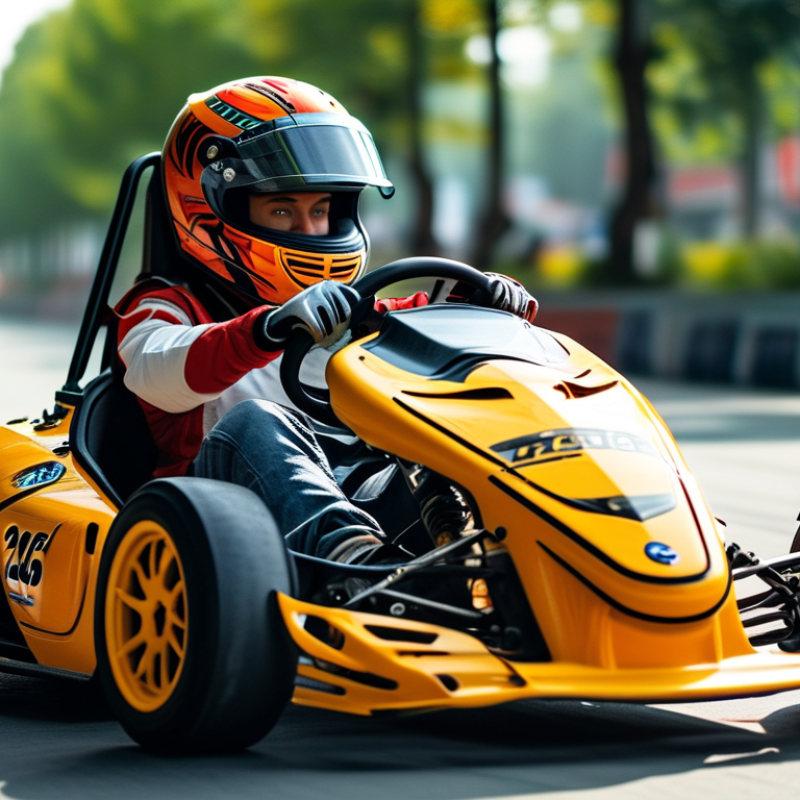
The electric go-kart industry is on the verge of significant transformation in 2026. Emerging technologies are defining the trajectory of design and functionality. For instance, battery technology is evolving rapidly. According to a recent report by the International Energy Agency (IEA), advancements in lithium-ion batteries could increase energy density by 30% within a few years. This could lead to lighter, more efficient electric go-karts, enhancing race performance and longevity.
Moreover, the integration of smart technology is expected to gain momentum. Features like real-time telemetry and adaptive control systems are becoming more common. A study from the Electric Vehicle Association indicates that 40% of consumers prefer karts with integrated apps for performance tracking. These smart features could reshape the racing experience, making it more interactive and informative. However, some users may find this shift overwhelming. More intuitive design will be essential to ensure accessibility.
The sustainability trend is balancing technological advancements. Eco-friendly materials in construction are gaining attention, aiming to reduce the carbon footprint of production. While many manufacturers are exploring alternatives, some products still fall short of sustainability targets. Reflecting on these facets can guide future improvements. A careful approach is crucial to ensure innovations are both effective and responsible.
The rise of electric go-karts is reshaping the racing world, emphasizing eco-friendly innovations. Sustainable materials are now used in kart construction, reducing environmental impact. Lightweight designs enhance performance while conserving energy. This shift makes racing more accessible and appealing to a broader audience.
Battery technology is advancing rapidly. New lithium-ion batteries offer longer life and faster charging times. This innovation allows for extended racing sessions without harming the environment. Some manufacturers even explore solar energy to power their karts. However, this transition is not without challenges. The cost of sustainable materials can be higher, impacting affordability.
Racers and enthusiasts often wonder about the longevity of these innovations. The durability of eco-friendly components is still under evaluation. While they are promising, their performance compared to traditional karts needs further exploration. As the industry adapts, continuous feedback and improvements will be essential. This journey toward sustainable racing is just beginning, and reflections on current practices can lead to better solutions.
As we look ahead to 2026, the electric go-kart market is likely to experience significant transformations. Key features are emerging that could redefine user experiences in this arena. Advanced battery technology stands at the forefront. The latest lithium-ion batteries promise to improve longevity and reduce charging times. Reports indicate a potential range increase of up to 30%. This shift could appeal to both recreational and competitive drivers.
Safety is another focal point. Enhanced safety measures, such as improved roll bars and reinforced chassis designs, will become standard. According to industry analysts, the incorporation of smart technology will play a crucial role. Features like real-time telemetry and collision avoidance systems can be expected. However, the balance between safety and performance is still in debate.
Sustainability is a growing concern for buyers. The increase in eco-friendly materials in construction can elevate the appeal. Yet, the challenge remains in sourcing these materials without driving costs too high. Buyers may have to weigh eco-friendly options against their budget. The focus will be on creating a product that is both responsible and accessible. Industry experts suggest that collaboration with local suppliers can pave the way for innovation while keeping costs manageable.
Electric go-karts are experiencing a surge in demand from global buyers. As environmental concerns rise, more people are seeking eco-friendly recreational options. This trend is evident in the increasing interest from both individual consumers and businesses, such as entertainment centers. Electric go-karts provide a clean alternative to traditional gas-powered models, attracting a wider audience.
Market research shows that buyers prioritize safety features. Advanced technology is now standard, including speed limiters and improved braking systems. This innovation targets families with children and novices, enhancing the overall experience. However, some consumers express concerns about battery life and charging times. Buyers want a seamless experience, and long waits for recharging can detract from enjoyment.
Another important trend is customization. Many buyers desire unique designs and personalized options. Some envision a go-kart tailored to their preferences, making it more appealing. Yet, the cost of these customizations can be a barrier for some. Balancing desire and budget is a challenge in this evolving market. As demand grows, manufacturers will need to adapt quickly to meet these expectations.
The electric go-kart industry faces significant regulatory changes in 2026. Governments worldwide are implementing stricter environmental policies. These changes aim to reduce carbon emissions and promote sustainable practices. As a result, manufacturers must adapt their designs and production methods to comply.
Compliance isn't easy. Companies may struggle with new standards. Battery disposal, material sourcing, and production transparency are all affected. The challenge lies in balancing cost and eco-friendliness. Many manufacturers will need to innovate quickly. This pressure could lead to a competitive market where agility is key.
Emerging technologies are reshaping the industry landscape. Enhanced battery life and energy efficiency are on the rise. Consumers demand better performance and greener options. However, navigating regulatory landscapes will require expertise. Companies must stay informed about the evolving laws to remain competitive. This shift presents challenges but also opportunities for growth and improvement.
„Thanks to the LUVIR technology, the solder resist process could be switched directly from the previously used mask exposure to direct exposure. As an outstanding digital solution on the market, this technology has been able to demonstrate fast process times and superior quality on our certified conventional ink in production. This allowed us to fully digitize the solder mask process at low cost – without process or ink adjustments. An excellent benefit to our production in Rot am See.“
Ralf Göhringer (Head of Production WE Rot am See)
I would definitely recommend the Limata machine and team for a future company purchase
Michael Greenaway
Compunetics Inc.
“The Limata ldi has been amazing!! Best thing we did was buy this machine”
Richard Brady
GM
Circuitlabs
“Since 2019, we have been running the Limata X1000 LDI system (including LUVIR for solder mask imaging) in daily production as an addition to our current process with film. The machine was capable of properly exposing Taiyo PSR-4000 BN (DI) solder mask types on normal to high-copper boards using a new and unique direct imaging process. The machine operating interface is very user friendly which allowed for a quick technical training curve. The pre-registration processing reduced several seconds of production time at every print. Limata support and service staff is incomparable. They supported our team every step of the way at basically any time of the day or night, with literally, an immediate response time, customizing the software interface to best fit our Operations and needs.
We have exposed more than 8,000 prints since end of October, on various solder mask colors and some resist film panels. Limata, has proven to be very capable and innovative. They are a strong contender in the industry.
We have very much enjoyed this project, and working with the team!
Thank you Limata for the continued support and being a part of our growth.”
Bill Sezate
Vice President, GM
Summit Interconnect
As a replacement to our current contact exposure process with film, the LIMATA X2000 system including LUVIR-Technology was capable of properly exposing non-LDI solder mask types using a direct imaging process. The machine offers cutting edge software with a very intuitive operating interface which allowed for quick technician training curve. The dual drawer system combined with pre-registration processing reduced several seconds of production time at every machine cycle. Limata support and service staff is world class. They added software patches to keep production running at shortest possible response times, customized the software interface to best fit our in-house Operations system, and even wrote a step-by-step machine processing manual. As a result of the project, we have exposed more than 16,000 times on various product types and solder mask brands/colors. Limata, in a very short timeframe as a company, has definitely shown they are truly innovative and will be challenging the industry of direct imaging for the top spot.
Kevin Beattie
Process Engineer
TTM Technologies
Forest Grove Division
