In the ever-evolving construction and manufacturing sectors, the demand for Thread Rods continues to surge. These essential components are crucial for holding structures together and providing stability. As we delve into the intricacies of the Thread Rod market, it is vital to understand the key players and emerging trends shifting the landscape.
Thread Rod suppliers vary widely in quality and reliability. Hence, identifying trustworthy sources is paramount for businesses relying on these products. While several suppliers offer competitive pricing, their performance and consistency must also be evaluated. Companies should foster relationships with suppliers who demonstrate both expertise and a commitment to quality, as this can significantly impact project outcomes.
Furthermore, the market trends surrounding Thread Rods reflect broader economic conditions. As industries face challenges, businesses must adapt their sourcing strategies. Understanding these trends can help companies mitigate risks. By closely monitoring supplier innovations and market dynamics, businesses can enhance their operational efficiency and ensure future success in utilizing Thread Rods.
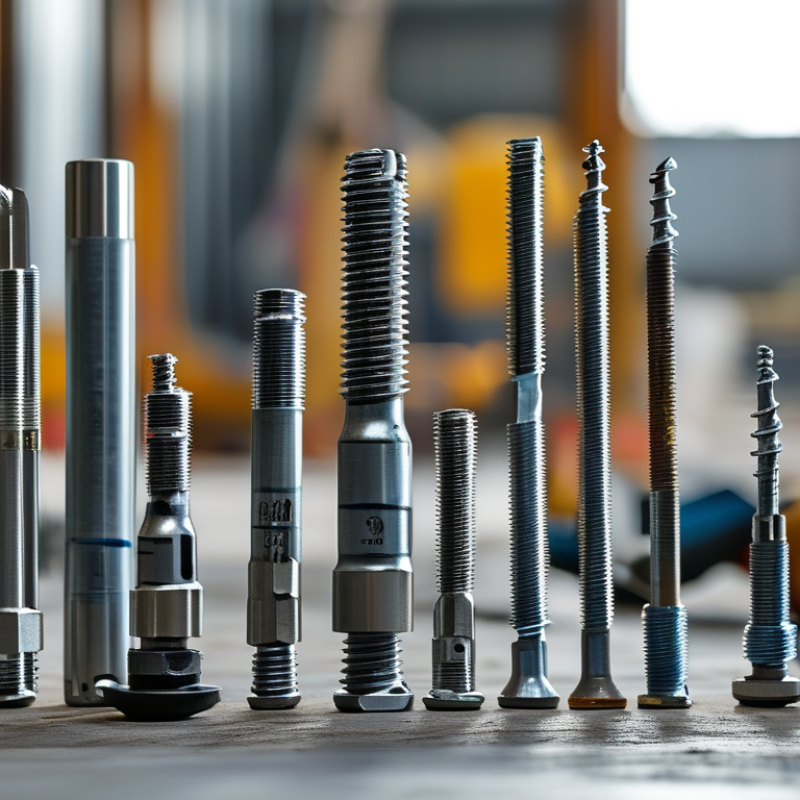
The thread rod market in 2026 is poised for significant transformation. According to a recent report from Market Research Future, the global thread rod market is expected to grow at a CAGR of 4.5% through 2026. This growth is driven by increasing demand in sectors such as construction and manufacturing. Infrastructure projects are rising, leading to higher consumption of fasteners like thread rods.
Industry professionals emphasize the importance of material quality. The demand for high-strength steel and eco-friendly options is surging. Recent innovations have led to lighter yet stronger materials. However, the market is not without challenges. Supply chain disruptions and fluctuating raw material prices pose risks. Manufacturers must navigate these uncertainties effectively.
Consumer preferences are shifting towards customization and precision. Companies are investing in advanced technologies to meet these needs. Automation and improved production techniques play a vital role. However, not every company is adapting swiftly. Some struggle to keep pace with technological advancements. As stakeholders look at 2026, they must consider these evolving market dynamics carefully.
| Supplier Region | Market Share (%) | Expected Growth Rate (%) | Main Applications | Key Trends |
|---|---|---|---|---|
| North America | 30 | 5 | Construction, Automotive | Increased demand for sustainable materials |
| Europe | 25 | 7 | Manufacturing, Machinery | Adoption of smart manufacturing technologies |
| Asia-Pacific | 35 | 8 | Heavy Industry, Electronics | Rapid industrialization and infrastructure growth |
| Latin America | 5 | 4 | Agriculture, Mining | Investment in mining technology |
| Middle East & Africa | 5 | 3 | Oil & Gas, Construction | Shifts towards renewable energy projects |
In the evolving landscape of thread rod suppliers, 2026 is set to bring fresh dynamics. Industry reports indicate a potential growth rate of 4.5% in the thread rod market, driven by construction and manufacturing demands. Key players are likely to adapt quickly to market fluctuations, aiming for sustainable practices that meet stringent industry standards.
Adapting to trends is crucial. Suppliers need to innovate, focusing on high-strength materials and environmentally friendly manufacturing processes. Reports suggest that clients prefer suppliers who prioritize green materials. Collaboration between suppliers and manufacturers may enhance product quality. This strategy aligns with the projected increase in demand for durable thread rods.
The thread rod industry is witnessing significant changes driven by new market trends. In recent years, sustainability has become a focal point for many manufacturers. Companies are increasingly seeking eco-friendly materials and production processes. This shift is not only beneficial for the environment but also attracts a more conscious consumer base.
Innovation plays a crucial role in shaping the industry's future. Advanced manufacturing techniques, such as 3D printing, are emerging. These methods provide improved precision and reduce waste. However, the challenge lies in balancing innovation with the need for cost-effective solutions. Some firms struggle to implement these technologies effectively.
Consumer preferences are also evolving. There's a growing demand for customization in products. Buyers want threads tailored to their specific needs. This trend requires suppliers to be agile and responsive. Yet, not all companies are equipped to adapt swiftly. Those that fail to keep up could lose their market position. As the landscape evolves, the thread rod industry must navigate these complexities to stay competitive.
The demand for thread rods has been steadily rising across various sectors. Construction, automotive, and manufacturing industries are primary contributors. Each sector has specific requirements, influencing the types of thread rods in demand. For instance, construction often favors larger diameters, while automotive applications may require precision-engineered components. Each industry’s unique needs drive market dynamics.
Tips: When sourcing thread rods, consider the material specifications. Stainless steel offers corrosion resistance, while carbon steel is cost-effective for dry environments. Always confirm compliance with industry standards.
Monitoring market trends reveals shifts in demand. Innovations in materials science can lead to lighter, stronger thread rods. However, challenges remain. Some suppliers struggle to keep up with changing requirements. Quality assurance can sometimes falter, leading to inconsistent products. Therefore, building strong relationships with reliable suppliers is crucial. Ensure they understand your specific needs to avoid potential issues.
The thread rod market is poised for significant growth by 2026. Increasing demand across industries is a key factor driving this trend. Construction, automotive, and manufacturing sectors are major consumers. These industries require high-quality thread rods for various applications. Innovations in materials and manufacturing processes will also influence market dynamics.
However, the industry faces challenges that could hinder growth. Supply chain disruptions are a persistent issue. They can cause delays and increase production costs. Additionally, fluctuating raw material prices add uncertainty. Companies must navigate these challenges carefully to maintain competitiveness. Investing in sustainable practices might address some concerns while improving brand reputation.
Market players need to adapt quickly to changing conditions. Keeping an eye on technological advances is crucial. Many companies are exploring new materials to enhance strength and durability. Emphasizing quality and reliability will be vital for success. It's essential to evaluate strategies and remain flexible in this evolving landscape.
„Thanks to the LUVIR technology, the solder resist process could be switched directly from the previously used mask exposure to direct exposure. As an outstanding digital solution on the market, this technology has been able to demonstrate fast process times and superior quality on our certified conventional ink in production. This allowed us to fully digitize the solder mask process at low cost – without process or ink adjustments. An excellent benefit to our production in Rot am See.“
Ralf Göhringer (Head of Production WE Rot am See)
I would definitely recommend the Limata machine and team for a future company purchase
Michael Greenaway
Compunetics Inc.
“The Limata ldi has been amazing!! Best thing we did was buy this machine”
Richard Brady
GM
Circuitlabs
“Since 2019, we have been running the Limata X1000 LDI system (including LUVIR for solder mask imaging) in daily production as an addition to our current process with film. The machine was capable of properly exposing Taiyo PSR-4000 BN (DI) solder mask types on normal to high-copper boards using a new and unique direct imaging process. The machine operating interface is very user friendly which allowed for a quick technical training curve. The pre-registration processing reduced several seconds of production time at every print. Limata support and service staff is incomparable. They supported our team every step of the way at basically any time of the day or night, with literally, an immediate response time, customizing the software interface to best fit our Operations and needs.
We have exposed more than 8,000 prints since end of October, on various solder mask colors and some resist film panels. Limata, has proven to be very capable and innovative. They are a strong contender in the industry.
We have very much enjoyed this project, and working with the team!
Thank you Limata for the continued support and being a part of our growth.”
Bill Sezate
Vice President, GM
Summit Interconnect
As a replacement to our current contact exposure process with film, the LIMATA X2000 system including LUVIR-Technology was capable of properly exposing non-LDI solder mask types using a direct imaging process. The machine offers cutting edge software with a very intuitive operating interface which allowed for quick technician training curve. The dual drawer system combined with pre-registration processing reduced several seconds of production time at every machine cycle. Limata support and service staff is world class. They added software patches to keep production running at shortest possible response times, customized the software interface to best fit our in-house Operations system, and even wrote a step-by-step machine processing manual. As a result of the project, we have exposed more than 16,000 times on various product types and solder mask brands/colors. Limata, in a very short timeframe as a company, has definitely shown they are truly innovative and will be challenging the industry of direct imaging for the top spot.
Kevin Beattie
Process Engineer
TTM Technologies
Forest Grove Division
