In the evolving landscape of industrial solutions, Flexible Metal Hoses stand out for their adaptability and functionality. These hoses are pivotal in various applications, ranging from aerospace to chemical processing. With a growing emphasis on durability and flexibility, they meet the demands of modern industries.
As we approach 2026, global buyers must stay informed about the latest trends influencing the market for Flexible Metal Hoses. Innovations in materials and manufacturing processes are reshaping these products. Environmental concerns are also prompting manufacturers to prioritize sustainability in their designs. A shift toward lightweight yet durable options is notable.
However, buyers face challenges. The rapid pace of technological advancement means that what is reliable today may not be tomorrow. Identifying trustworthy suppliers is crucial. This article delves into the emerging trends that enhance the performance and efficiency of Flexible Metal Hoses, providing essential insights for informed purchasing decisions.
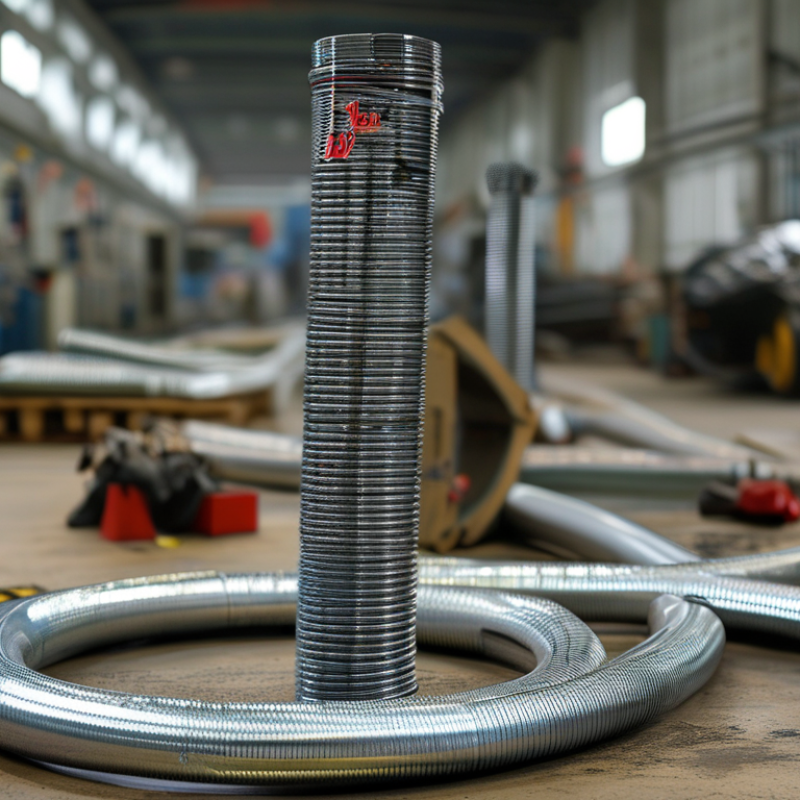
As we look ahead to 2026, the landscape of flexible metal hoses is evolving significantly. These hoses are becoming increasingly vital in various industries, from petrochemicals to food processing. One emerging trend is the integration of new materials that enhance durability and flexibility. Advanced alloys can withstand extreme temperatures and pressures, which broadens their applications.
Another notable development is the growing emphasis on sustainability. Companies are exploring manufacturing methods that reduce environmental impact. This shift is not just beneficial for the planet; it can also lead to cost savings. Nevertheless, not everyone in the industry prioritizes sustainability yet. Some still focus entirely on performance metrics, potentially missing out on long-term advantages.
Moreover, the digitalization of hose production is gaining traction. Automation and smart technology can improve precision and efficiency. However, this reliance on technology raises questions about job displacement within the sector. Striking a balance between innovation and workforce stability is crucial. The landscape of flexible metal hoses in 2026 is complex and full of potential, but challenges must be addressed.
The flexible metal hose industry is witnessing significant innovations in materials and manufacturing techniques. Recent reports reveal that the demand for these hoses is projected to grow by 7% annually until 2026. New alloys are being developed to enhance durability and flexibility. For instance, advancements in stainless steel and other composite materials are improving resistance to high temperatures and pressures. This shift is critical for industries requiring high-performance components.
Manufacturers are also embracing technology like 3D printing. This process allows for the production of more complex designs that traditional methods cannot achieve. The ability to customize hose lengths and diameters efficiently can lead to reduced waste and lower production costs. However, the transition to automated manufacturing can pose challenges. Skill gaps in the workforce and high initial investment costs are areas that need attention.
Sustainability
is becoming a focus too. Many companies are exploring eco-friendly materials. These initiatives aim to reduce the environmental impact of production. Nevertheless, achieving a balance between performance and sustainability requires ongoing research and development. As the industry evolves, monitoring these trends becomes essential for stakeholders.
Sustainability in metal hose production is gaining significance globally. Manufacturers face pressure to adopt eco-friendly practices. The conventional methods often lead to excessive waste and high energy consumption. This raises questions about the long-term viability of current production techniques.
Recycling old metal hoses is one way to improve sustainability. However, not all materials are easy to recycle. Many companies struggle with implementing effective recycling processes. Environmental impact assessments can help identify key areas for improvement. Companies need to invest in technology that minimizes waste and reduces energy use.
Additionally, sourcing materials responsibly is essential. Many suppliers do not adhere to strict environmental guidelines. This lack of oversight can result in harmful practices. Providing transparency in the supply chain can enhance reliability. Continuous improvement in production methods is necessary. Active collaboration among industry players could lead to more sustainable solutions.
The flexible metal hoses market is experiencing notable shifts in demand and supply dynamics. According to recent industry reports, the global market is expected to grow at a CAGR of 5.6% from 2022 to 2029. This growth stems from increasing applications in sectors such as automotive, aerospace, and oil and gas. Flexibility, durability, and resistance to extreme temperatures make these hoses essential components.
However, challenges exist. Supply chain disruptions have led to fluctuating raw material costs, affecting manufacturers' pricing strategies. The report highlighted that around 25% of manufacturers faced delays in sourcing materials due to geopolitical tensions. Moreover, sustainability concerns are prompting industries to seek eco-friendly alternatives. As a result, innovative solutions are required to balance the need for high-performance hoses with environmental impact.
Interestingly, while the demand surges, there is room for improvement in meeting customer expectations. Market feedback shows a gap between product availability and the specific needs of clients. Only 40% of buyers reported satisfaction with the current offerings. Addressing this gap could unlock further opportunities and enhance market stability. Agile strategies will be vital for companies striving to adapt to this ever-evolving landscape.
Flexible metal hoses are becoming essential in various industries. These hoses provide durability and flexibility, making them ideal for demanding applications. Industries such as aerospace, automotive, and oil and gas are driving their growth. In aerospace, they are used in fuel lines and hydraulic systems. Their ability to withstand extreme temperatures and pressures is crucial here.
Automotive manufacturing also benefits from flexible metal hoses. They are used in exhaust systems and coolant lines. The demand for lightweight materials supports this trend. Additionally, the oil and gas sector relies on these hoses for safe fluid transfer. Their corrosion resistance ensures longevity in harsh environments. However, some users may encounter challenges like installation complexities and maintenance needs.
Innovations continue to emerge in the flexible metal hose market. New materials and manufacturing techniques enhance performance. Users are increasingly looking for options that offer better sealing and reduced leakage. While growth potential looks positive, it’s vital for companies to invest in training and support to ensure proper usage. Understanding these factors will help global buyers make informed decisions.
„Thanks to the LUVIR technology, the solder resist process could be switched directly from the previously used mask exposure to direct exposure. As an outstanding digital solution on the market, this technology has been able to demonstrate fast process times and superior quality on our certified conventional ink in production. This allowed us to fully digitize the solder mask process at low cost – without process or ink adjustments. An excellent benefit to our production in Rot am See.“
Ralf Göhringer (Head of Production WE Rot am See)
I would definitely recommend the Limata machine and team for a future company purchase
Michael Greenaway
Compunetics Inc.
“The Limata ldi has been amazing!! Best thing we did was buy this machine”
Richard Brady
GM
Circuitlabs
“Since 2019, we have been running the Limata X1000 LDI system (including LUVIR for solder mask imaging) in daily production as an addition to our current process with film. The machine was capable of properly exposing Taiyo PSR-4000 BN (DI) solder mask types on normal to high-copper boards using a new and unique direct imaging process. The machine operating interface is very user friendly which allowed for a quick technical training curve. The pre-registration processing reduced several seconds of production time at every print. Limata support and service staff is incomparable. They supported our team every step of the way at basically any time of the day or night, with literally, an immediate response time, customizing the software interface to best fit our Operations and needs.
We have exposed more than 8,000 prints since end of October, on various solder mask colors and some resist film panels. Limata, has proven to be very capable and innovative. They are a strong contender in the industry.
We have very much enjoyed this project, and working with the team!
Thank you Limata for the continued support and being a part of our growth.”
Bill Sezate
Vice President, GM
Summit Interconnect
As a replacement to our current contact exposure process with film, the LIMATA X2000 system including LUVIR-Technology was capable of properly exposing non-LDI solder mask types using a direct imaging process. The machine offers cutting edge software with a very intuitive operating interface which allowed for quick technician training curve. The dual drawer system combined with pre-registration processing reduced several seconds of production time at every machine cycle. Limata support and service staff is world class. They added software patches to keep production running at shortest possible response times, customized the software interface to best fit our in-house Operations system, and even wrote a step-by-step machine processing manual. As a result of the project, we have exposed more than 16,000 times on various product types and solder mask brands/colors. Limata, in a very short timeframe as a company, has definitely shown they are truly innovative and will be challenging the industry of direct imaging for the top spot.
Kevin Beattie
Process Engineer
TTM Technologies
Forest Grove Division
