Aluminium Profile Bending is a specialized process that shapes aluminium profiles into various configurations. This technique holds significant importance for industries that require customized metal components. Buyers often seek this bending service to enhance product design, reduce material waste, and improve structural integrity.
Understanding Aluminium Profile Bending can be crucial for making informed purchasing decisions. This process allows for precise angles and curves, catering to specific project needs. Many industries, like architecture and automotive, benefit from the flexibility of bent aluminium profiles. They provide an edge in creating innovative designs that stand out.
However, potential buyers should consider quality and expertise when choosing a service provider. Not all bending techniques yield the same results, and some may compromise structural strength. Researching and identifying reliable manufacturers is essential. By doing so, buyers can ensure they receive products that meet their standards and fulfill their intended purposes.
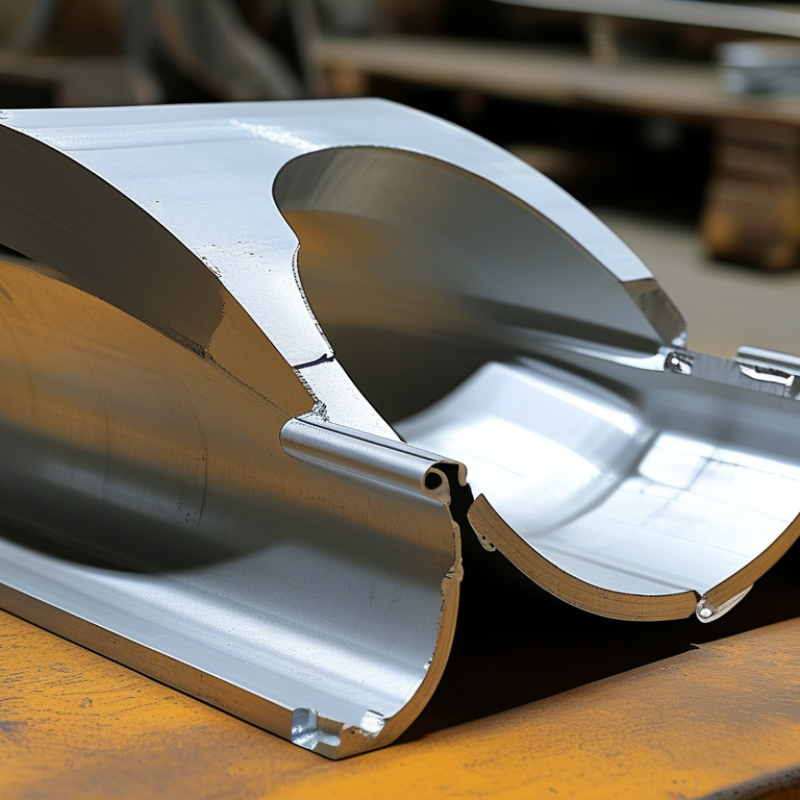
Aluminium profile bending is an essential manufacturing process. It allows for the creation of customized shapes, enhancing flexibility in design. According to industry reports, the global aluminium market is expected to grow significantly, with a projected CAGR of 4.8% from 2021 to 2028. This growth emphasizes the rising demand for advanced fabrication techniques like bending.
The bending process involves applying force to aluminium profiles, enabling them to attain specific angles or curves. This adaptability plays a crucial role in sectors such as automotive, construction, and aerospace. Bending improves material utilization, reducing waste. As a result, businesses can optimize costs and boost overall productivity.
Tips: When selecting a bending method, consider the profile's thickness and alloy type. These factors can greatly influence the final outcome. Moreover, always seek professional advice. Engaging with expert manufacturers can help identify the best solution for your specific needs. Remember, not every bending technique suits every application. Evaluate both geometric requirements and material limits to achieve optimal results.
Aluminium profile bending is a crucial process in various industries. This technique allows for the alteration of aluminium profiles into desired shapes, enhancing design possibilities. Key methods include rotary draw bending and air bending. Each technique serves different applications based on the profile's geometry and mechanical properties.
In rotary draw bending, the aluminium is bent around a mandrel. This method minimizes deformation while maintaining a smooth finish. According to a recent industry report, nearly 65% of manufacturers prefer this method for its precision and efficiency. On the other hand, air bending offers a more forgiving process with less tooling cost, but compromises on accuracy. While it is favored for larger runs, there is a higher chance of similar profile inconsistencies.
The choice of bending technique affects not only the product quality but also production costs. A report indicates that improper bending can lead to increased scrap rates, potentially raising costs by 15%. Moreover, the bending process requires skilled technicians who understand the nuances of material behavior. This human element adds complexity, and even experienced professionals can find challenges in achieving the perfect bend.
This chart displays the popularity of various aluminium profile bending techniques. Each technique has its unique benefits, influencing buyer choices in their manufacturing processes. Understanding these techniques helps buyers make informed decisions based on production needs and capabilities.
Aluminium profile bending is increasingly used across various industries. This technique allows manufacturers to create specific shapes that meet their design needs. The ability to bend aluminium profiles offers flexibility in product development. It helps in achieving unique and innovative designs.
In the construction industry, for instance, aluminium bending enhances structural integrity. Architects appreciate the custom shapes available for their projects. Additionally, this method reduces waste, making production more sustainable. In automotive manufacturing, bent aluminium profiles contribute to lightweight designs. This leads to improved fuel efficiency and reduced emissions.
However, there are challenges. The bending process must be executed with precision. Imperfect bends can lead to structural weaknesses or aesthetic flaws. Buyers should engage experienced professionals to mitigate these risks. Understanding the limitations helps in making informed decisions. The right approach can significantly influence product quality and performance.
When selecting aluminium profile bending services, several important factors come into play. Experience and expertise in bending techniques are crucial. Look for service providers with a solid background in the industry. A skilled team will understand how to bend aluminium while preserving its structural integrity. They should also have the right equipment to handle various profiles, from simple shapes to complex designs.
The cost of services is another key consideration. It’s important to request detailed quotes from potential providers. Ensure that you understand what’s included in the pricing. Sometimes, additional charges arise from design modifications or tight deadlines. Don’t hesitate to ask about their past projects. This helps gauge their capabilities and reliability.
A reliable service should offer flexibility and customization. Different projects may require unique bending angles and dimensions. Discuss your specific needs with the service provider to ensure they can accommodate your vision. Keep in mind that effective communication is essential throughout the process. Misunderstandings can lead to delays and unsatisfactory outcomes. Therefore, choose a partner who prioritizes transparent communication.
Bended aluminium profiles have become essential in modern design and construction. These profiles offer flexibility, allowing architects to create unique shapes and structures. For instance, they are commonly used in the frames of large windows and curved facades, enhancing the aesthetic appeal of buildings. The smooth, sleek lines achieved through bending can transform an ordinary structure into an architectural masterpiece.
In furniture design, bended aluminium profiles provide both strength and style. Designers leverage the lightweight yet durable nature of aluminium to craft elegant chairs and tables. The ability to bend these profiles enables intricate designs that would be difficult with other materials. Additionally, in the automotive industry, bended aluminium is used for components that require both efficiency and robustness, contributing to lighter vehicles and better fuel economy.
While the benefits are clear, the bending process can present challenges. Precision is crucial, as incorrect bends can lead to structural weaknesses. Moreover, the costs associated with custom bending might pose a barrier for some buyers. It’s vital for clients to work closely with experts to ensure optimal design while staying within budget. This collaboration is essential for overcoming obstacles and optimizing the use of aluminium profiles in any project.
„Thanks to the LUVIR technology, the solder resist process could be switched directly from the previously used mask exposure to direct exposure. As an outstanding digital solution on the market, this technology has been able to demonstrate fast process times and superior quality on our certified conventional ink in production. This allowed us to fully digitize the solder mask process at low cost – without process or ink adjustments. An excellent benefit to our production in Rot am See.“
Ralf Göhringer (Head of Production WE Rot am See)
I would definitely recommend the Limata machine and team for a future company purchase
Michael Greenaway
Compunetics Inc.
“The Limata ldi has been amazing!! Best thing we did was buy this machine”
Richard Brady
GM
Circuitlabs
“Since 2019, we have been running the Limata X1000 LDI system (including LUVIR for solder mask imaging) in daily production as an addition to our current process with film. The machine was capable of properly exposing Taiyo PSR-4000 BN (DI) solder mask types on normal to high-copper boards using a new and unique direct imaging process. The machine operating interface is very user friendly which allowed for a quick technical training curve. The pre-registration processing reduced several seconds of production time at every print. Limata support and service staff is incomparable. They supported our team every step of the way at basically any time of the day or night, with literally, an immediate response time, customizing the software interface to best fit our Operations and needs.
We have exposed more than 8,000 prints since end of October, on various solder mask colors and some resist film panels. Limata, has proven to be very capable and innovative. They are a strong contender in the industry.
We have very much enjoyed this project, and working with the team!
Thank you Limata for the continued support and being a part of our growth.”
Bill Sezate
Vice President, GM
Summit Interconnect
As a replacement to our current contact exposure process with film, the LIMATA X2000 system including LUVIR-Technology was capable of properly exposing non-LDI solder mask types using a direct imaging process. The machine offers cutting edge software with a very intuitive operating interface which allowed for quick technician training curve. The dual drawer system combined with pre-registration processing reduced several seconds of production time at every machine cycle. Limata support and service staff is world class. They added software patches to keep production running at shortest possible response times, customized the software interface to best fit our in-house Operations system, and even wrote a step-by-step machine processing manual. As a result of the project, we have exposed more than 16,000 times on various product types and solder mask brands/colors. Limata, in a very short timeframe as a company, has definitely shown they are truly innovative and will be challenging the industry of direct imaging for the top spot.
Kevin Beattie
Process Engineer
TTM Technologies
Forest Grove Division
