Aluminum melting furnaces play a crucial role in metal recycling and manufacturing. These furnaces efficiently melt scrap aluminum, transforming it into liquid metal for reuse. Understanding how an aluminum melting furnace operates can significantly enhance production processes in various industries.
An aluminum melting furnace operates on principles of heat transfer and thermodynamics. It uses various fuel sources to generate heat, enabling the melting of solid aluminum into a liquid state. This transformation is vital for creating new aluminum products or repurposing existing materials. Each furnace type offers unique advantages, and choosing the right one is essential for optimal performance.
Despite advancements, challenges remain in furnace operation. Energy efficiency and environmental impact are critical considerations for manufacturers. Improper use may lead to waste and increased emissions. Reflecting on these issues allows for improvements in furnace design and operation, ultimately leading to a more sustainable future in aluminum processing.
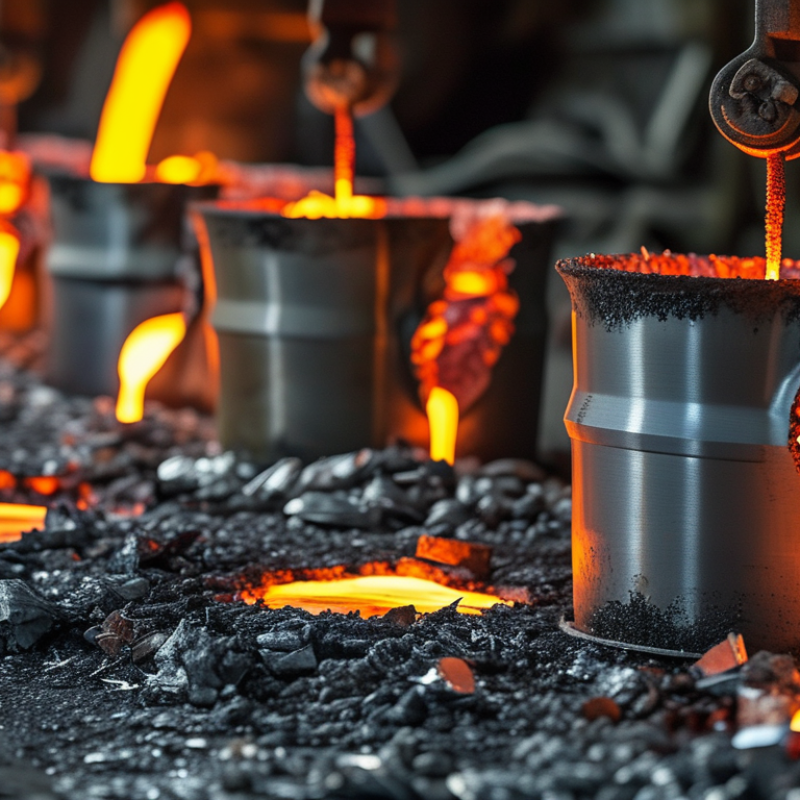
An aluminum melting furnace is a specialized industrial equipment. It is designed to melt aluminum scrap or ingots into liquid metal. The process allows manufacturers to recycle aluminum and create new products efficiently. According to a recent industry report, nearly 75% of aluminum ever produced is still in use, showcasing its recyclability.
These furnaces operate at temperatures around 1400 to 1600 degrees Fahrenheit. The design focuses on energy efficiency and minimizing emissions. Some systems use natural gas, while others rely on electric arcs. Each method has its benefits and drawbacks, affecting both cost and environmental impact. A study found that electric melting furnaces can be 30% more energy-efficient than traditional gas furnaces.
However, operators must address challenges like temperature control and oxidation. Inconsistent temperature can lead to poor quality metal. Recycling aluminum reduces energy consumption by up to 95% compared to primary aluminum production. Despite this, not all processes have adopted advanced melting technologies. This discrepancy highlights a need for better practices in the industry.
An aluminum melting furnace is a critical tool in metal processing. Its design combines several key components that work together to achieve efficient melting. The heat source is usually electric or gas-fired, providing the intense heat needed to raise aluminum to its melting point. This heat source plays a central role in the melting process.
The furnace lining is another important element. Typically made from refractory materials, it protects the furnace structure from intense heat. Proper insulation is crucial for energy efficiency. The furnace chamber holds the aluminum, allowing it to be heated uniformly. Attached to the chamber are various controls that manage temperature and stirring mechanisms. These ensure the aluminum melts evenly, helping to reduce impurities.
Another essential component is the discharge system. This allows the melted aluminum to be poured into molds or casts safely. Observing the operation of the furnace can reveal imperfections. For instance, inconsistent melting might indicate issues with the heat source or insulation. Thus, monitoring and regular maintenance are vital for optimal performance. Understanding these components helps enhance the efficiency of the aluminum melting process.
An aluminum melting furnace is a crucial piece of equipment in metal processing. It operates by heating aluminum scrap to its melting point, which is around 660 degrees Celsius (1220 degrees Fahrenheit). The furnace utilizes various energy sources, including electricity and gas. A notable factor is that approximately 75% of aluminum is recycled, making efficient melting processes essential.
The operation of these furnaces involves heat transfer methods, such as conduction and convection. Melting takes place in either batch or continuous modes. In batch modes, operators load aluminum into the furnace in specific amounts. Continuous melting furnaces maintain a steady flow of material. Industry reports indicate that the efficiency of these processes can reach up to 90% under optimal conditions.
Temperature control is critical for safety and product quality. Operators often face challenges with process consistency. Variations in scrap quality can impact melting efficiency. Moreover, proper insulation is a must to conserve energy and minimize emissions. As technology evolves, modern designs increasingly incorporate automation and advanced monitoring systems. However, not all facilities have access to such innovations.
Aluminum melting furnaces are essential in the metallurgy industry. They are used to melt aluminum, making it easier to mold into various shapes for industrial applications. The types of aluminum melting furnaces vary in design and functionality.
These furnaces can be categorized mainly into two types: crucible and tilting furnaces. Crucible furnaces, often used for smaller batches, utilize a vessel made of heat-resistant material. The melting occurs in a controlled atmosphere, preventing oxidation. According to industry reports, these furnaces can reach temperatures of up to 800°C, suitable for small-scale operations. On the other hand, tilting furnaces are more efficient for larger volumes. They can handle upward of 1,000 kg of aluminum and offer quick pouring capabilities. Their design allows for a seamless transition between melting and pouring, which enhances production speed.
Another interesting option is induction furnaces. These furnaces use electromagnetic induction to heat the aluminum, providing a more energy-efficient solution. Reports show they reduce energy consumption by 30% compared to traditional methods. However, with an initial higher investment, companies must evaluate operational costs vs. benefits carefully. Implementing the wrong type of furnace can lead to inefficiencies and increased expenses, reflecting the importance of making well-informed choices.
This chart illustrates the efficiency percentages of various types of aluminum melting furnaces. Induction furnaces exhibit the highest efficiency, making them a preferred choice for aluminum melting applications.
Aluminum melting furnaces play a crucial role in various industries. They are essential for recycling aluminum and producing new aluminum products. The Energy and Metals Group reported that around 75% of aluminum produced is still in use today, demonstrating the metal’s sustainable nature. These furnaces efficiently melt scrap aluminum, making it suitable for remanufacturing. Their ability to reach high temperatures quickly reduces energy consumption, which is beneficial for both the environment and production costs.
In the automotive and aerospace sectors, aluminum is highly valued for its lightweight properties. This saves fuel and enhances performance. A study by the Aluminum Association indicated that the lightweight nature of aluminum can improve fuel efficiency in vehicles by up to 30%. Better fuel economy means lower carbon emissions. This is crucial as industries shift towards sustainable practices. Using aluminum melting furnaces not only supports recycling but also advances the industry towards a greener future.
Tips: Ensure regular maintenance of your aluminum melting furnace. This can optimize its performance and longevity. Keep an eye on temperature control. Overheating can lead to wasted energy and potential damage.
„Thanks to the LUVIR technology, the solder resist process could be switched directly from the previously used mask exposure to direct exposure. As an outstanding digital solution on the market, this technology has been able to demonstrate fast process times and superior quality on our certified conventional ink in production. This allowed us to fully digitize the solder mask process at low cost – without process or ink adjustments. An excellent benefit to our production in Rot am See.“
Ralf Göhringer (Head of Production WE Rot am See)
I would definitely recommend the Limata machine and team for a future company purchase
Michael Greenaway
Compunetics Inc.
“The Limata ldi has been amazing!! Best thing we did was buy this machine”
Richard Brady
GM
Circuitlabs
“Since 2019, we have been running the Limata X1000 LDI system (including LUVIR for solder mask imaging) in daily production as an addition to our current process with film. The machine was capable of properly exposing Taiyo PSR-4000 BN (DI) solder mask types on normal to high-copper boards using a new and unique direct imaging process. The machine operating interface is very user friendly which allowed for a quick technical training curve. The pre-registration processing reduced several seconds of production time at every print. Limata support and service staff is incomparable. They supported our team every step of the way at basically any time of the day or night, with literally, an immediate response time, customizing the software interface to best fit our Operations and needs.
We have exposed more than 8,000 prints since end of October, on various solder mask colors and some resist film panels. Limata, has proven to be very capable and innovative. They are a strong contender in the industry.
We have very much enjoyed this project, and working with the team!
Thank you Limata for the continued support and being a part of our growth.”
Bill Sezate
Vice President, GM
Summit Interconnect
As a replacement to our current contact exposure process with film, the LIMATA X2000 system including LUVIR-Technology was capable of properly exposing non-LDI solder mask types using a direct imaging process. The machine offers cutting edge software with a very intuitive operating interface which allowed for quick technician training curve. The dual drawer system combined with pre-registration processing reduced several seconds of production time at every machine cycle. Limata support and service staff is world class. They added software patches to keep production running at shortest possible response times, customized the software interface to best fit our in-house Operations system, and even wrote a step-by-step machine processing manual. As a result of the project, we have exposed more than 16,000 times on various product types and solder mask brands/colors. Limata, in a very short timeframe as a company, has definitely shown they are truly innovative and will be challenging the industry of direct imaging for the top spot.
Kevin Beattie
Process Engineer
TTM Technologies
Forest Grove Division
