In the rapidly evolving construction and industrial sectors, the demand for durable materials is higher than ever. One standout solution is Anti-Corrosion Frp Profiles. Experts, like Dr. Emily Johnson, a recognized authority in material engineering, emphasize their significance. She states, “The durability of Anti-Corrosion Frp Profiles can transform industries by extending the lifespan of structures.”
Anti-Corrosion Frp Profiles are designed to withstand harsh environments. They resist corrosion, making them ideal for chemical plants and marine applications. Furthermore, their lightweight nature facilitates easier handling and installation. However, some industries remain hesitant to adopt this technology. Misunderstandings about cost-effectiveness often lead to doubts.
While many recognize their benefits, the initial investment can deter organizations. Companies must weigh immediate costs against long-term savings. Ultimately, Anti-Corrosion Frp Profiles prove essential in safeguarding infrastructure. Their continued evolution in design and application holds great promise for a range of industries.
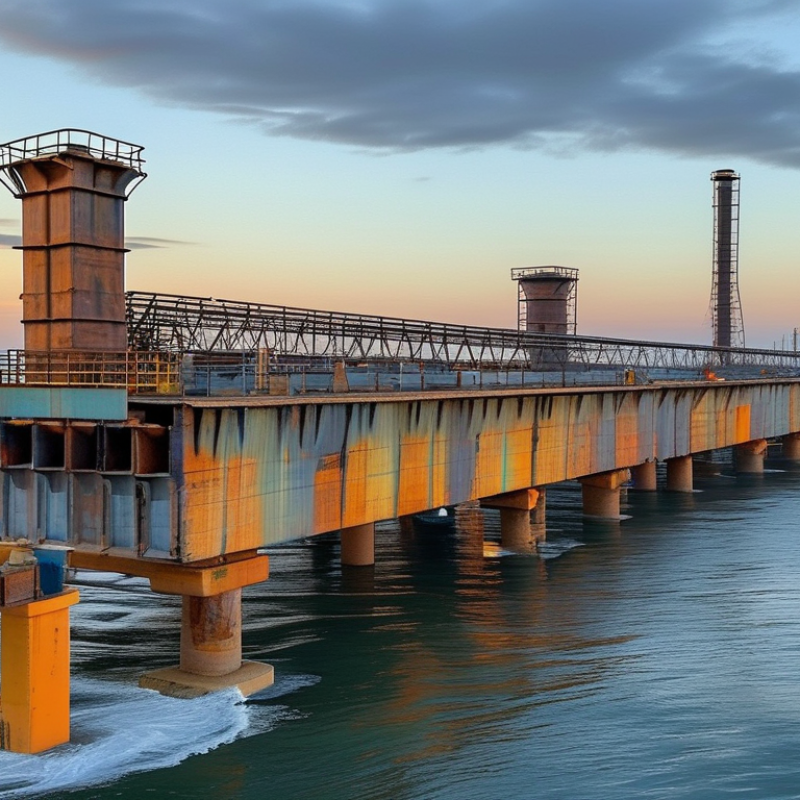
Anti-corrosion FRP (Fiber Reinforced Polymer) profiles are innovative materials designed to resist corrosion in harsh environments. Typically used in industrial, marine, and construction applications, these profiles offer a unique blend of strength and durability. Their composition combines fiberglass with epoxy or polyester resins, making them lightweight yet exceptionally strong. This combination allows them to withstand aggressive chemicals and extreme weather conditions.
The benefits of using anti-corrosion FRP profiles are significant. They are not only resistant to rust but also to many chemical agents. This resistance means they require less maintenance compared to traditional materials like steel. FRP profiles can be fabricated into various shapes and sizes for specific applications. This versatility makes them a preferred choice in many industries. Lightweight properties enhance ease of installation, reducing labor costs.
Despite their benefits, anti-corrosion FRP profiles are not a one-size-fits-all solution. Their cost can be higher than traditional materials. Not all applications may justify this expense. Therefore, careful evaluation is necessary. Understanding the specific needs of a project can lead to more informed decisions about material selection. The balance between cost and performance should always be a consideration.
When discussing anti-corrosion FRP (Fiber Reinforced Polymer) profiles, it’s essential to focus on the key components that contribute to their effectiveness. FRP materials typically combine fiberglass with a resin matrix. This combination provides high tensile strength while remaining lightweight. Common resins used include epoxy and vinyl ester, which offer superior chemical resistance. In many studies, FRP is shown to withstand harsh environments better than traditional materials.
The corrosion resistance of FRP is attributed to its non-metallic nature. Unlike metals, FRP does not rust. According to industry reports, FRP can extend the lifespan of structures by up to 30% in corrosive environments. This is crucial for sectors like construction, marine, and oil and gas, where downtime due to corrosion can be costly.
Tips: Consider the specific environment when choosing FRP materials. Different resins have varying abilities to resist specific chemicals. Always consult materials data sheets for detailed information.
Another essential component of FRP is the glass fiber’s orientation and density. This affects the overall performance of the profiles. Some manufacturers utilize varying fiber patterns to enhance strength at different load orientations. However, not all suppliers maintain consistent quality in production. It's advisable to ask for certifications or test results to ensure reliability.
Regular examination of FRP applications can reveal early signs of wear or damage. Addressing issues promptly can enhance performance and longevity.
Anti-corrosion FRP profiles are becoming essential in many industries. Their lightweight nature makes them easy to handle. They boast excellent resistance to harsh environmental conditions. This durability results in lower maintenance costs over time. These profiles do not rust, unlike traditional materials. This quality is crucial in areas exposed to moisture.
Using anti-corrosion FRP profiles in construction enhances safety. They significantly reduce the risk of structural failures caused by corrosion. Industries such as oil and gas benefit immensely from their implementation. These areas often deal with corrosive substances. The profiles ensure long-lasting performance, even under extreme conditions.
FRP profiles, known for their anti-corrosion properties, offer a distinct advantage over traditional materials. These composites resist rust and degradation. This makes them ideal for sectors like construction and marine applications. Traditional materials, while durable, often falter when faced with moisture and corrosive elements. The need for constant maintenance can lead to higher costs in the long run.
In terms of weight, FRP profiles are significantly lighter than steel or aluminum. This reduced weight can ease transportation and installation processes. However, some may argue that traditional materials, when maintained properly, can outperform FRP in specific settings. Each material has its merits, and context matters.
Tip: When assessing materials for your project, consider the environment. Anti-corrosion features may save money over time.
Moreover, FRP profiles can be molded into complex shapes that traditional materials struggle to match. This flexibility opens doors for innovative designs. However, understanding how these materials behave under stress is essential. Their failure under extreme conditions can be a concern for some.
Tip: Always consult with professionals when selecting materials for critical applications. Reliability is key.
Anti-corrosion FRP profiles are increasingly used across various industries. Their lightweight nature and corrosion resistance make them ideal for harsh environments. For example, in marine applications, they can withstand saltwater exposure. Reports indicate that over 80% of materials used in coastal infrastructure face corrosion issues.
In wastewater treatment plants, anti-corrosion FRP profiles play a crucial role. They resist chemicals and mitigate structural decay. According to industry data, the annual cost of corrosion in wastewater facilities exceeds $8 billion in the U.S. alone. By using these profiles, facilities can significantly reduce maintenance costs and downtime.
However, the adoption of anti-corrosion FRP profiles isn't without challenges. Initial investment can be higher compared to traditional materials. Some engineers remain skeptical about their long-term performance. A detailed assessment is often required. Still, the potential for reduced maintenance and enhanced durability typically outweighs initial concerns.
„Thanks to the LUVIR technology, the solder resist process could be switched directly from the previously used mask exposure to direct exposure. As an outstanding digital solution on the market, this technology has been able to demonstrate fast process times and superior quality on our certified conventional ink in production. This allowed us to fully digitize the solder mask process at low cost – without process or ink adjustments. An excellent benefit to our production in Rot am See.“
Ralf Göhringer (Head of Production WE Rot am See)
I would definitely recommend the Limata machine and team for a future company purchase
Michael Greenaway
Compunetics Inc.
“The Limata ldi has been amazing!! Best thing we did was buy this machine”
Richard Brady
GM
Circuitlabs
“Since 2019, we have been running the Limata X1000 LDI system (including LUVIR for solder mask imaging) in daily production as an addition to our current process with film. The machine was capable of properly exposing Taiyo PSR-4000 BN (DI) solder mask types on normal to high-copper boards using a new and unique direct imaging process. The machine operating interface is very user friendly which allowed for a quick technical training curve. The pre-registration processing reduced several seconds of production time at every print. Limata support and service staff is incomparable. They supported our team every step of the way at basically any time of the day or night, with literally, an immediate response time, customizing the software interface to best fit our Operations and needs.
We have exposed more than 8,000 prints since end of October, on various solder mask colors and some resist film panels. Limata, has proven to be very capable and innovative. They are a strong contender in the industry.
We have very much enjoyed this project, and working with the team!
Thank you Limata for the continued support and being a part of our growth.”
Bill Sezate
Vice President, GM
Summit Interconnect
As a replacement to our current contact exposure process with film, the LIMATA X2000 system including LUVIR-Technology was capable of properly exposing non-LDI solder mask types using a direct imaging process. The machine offers cutting edge software with a very intuitive operating interface which allowed for quick technician training curve. The dual drawer system combined with pre-registration processing reduced several seconds of production time at every machine cycle. Limata support and service staff is world class. They added software patches to keep production running at shortest possible response times, customized the software interface to best fit our in-house Operations system, and even wrote a step-by-step machine processing manual. As a result of the project, we have exposed more than 16,000 times on various product types and solder mask brands/colors. Limata, in a very short timeframe as a company, has definitely shown they are truly innovative and will be challenging the industry of direct imaging for the top spot.
Kevin Beattie
Process Engineer
TTM Technologies
Forest Grove Division
