Arc Welding Equipment turns electrical energy into a controlled arc that melts metal at a joint. It is used to build, repair, and maintain steel structures, machinery, vehicles, pipelines, and many smaller metal products. The equipment may include a power source, electrode holder or welding torch, cables, and protective gear. Each part has a job. Together, they help the welder create a sound weld while managing heat, spatter, and exposure to the bright arc.
Welding-metallurgy expert Dr. Sindo Kou is a respected reference on how heat and material behavior affect welds. In paraphrase, his work points to a useful principle: “A reliable weld depends on controlling the process, not just producing an arc.” That distinction matters. A compact stick welder may suit outdoor repairs, while a workshop may use a wire-feed or TIG system for different materials and finish requirements. The right choice depends on the metal, joint, thickness, location, and operator skill—not simply the machine’s advertised power.
This guide explains what Arc Welding Equipment is used for, how its main components support different jobs, and what practical limits to consider. You will see why electrode selection, current settings, and a stable work connection affect the finished bead. Small details count. A loose cable or poor fit-up can spoil a promising weld. Equipment alone cannot guarantee quality, either; experience and careful preparation matter. Some jobs still require specialist assessment, and that is easy to overlook when focusing only on the machine.
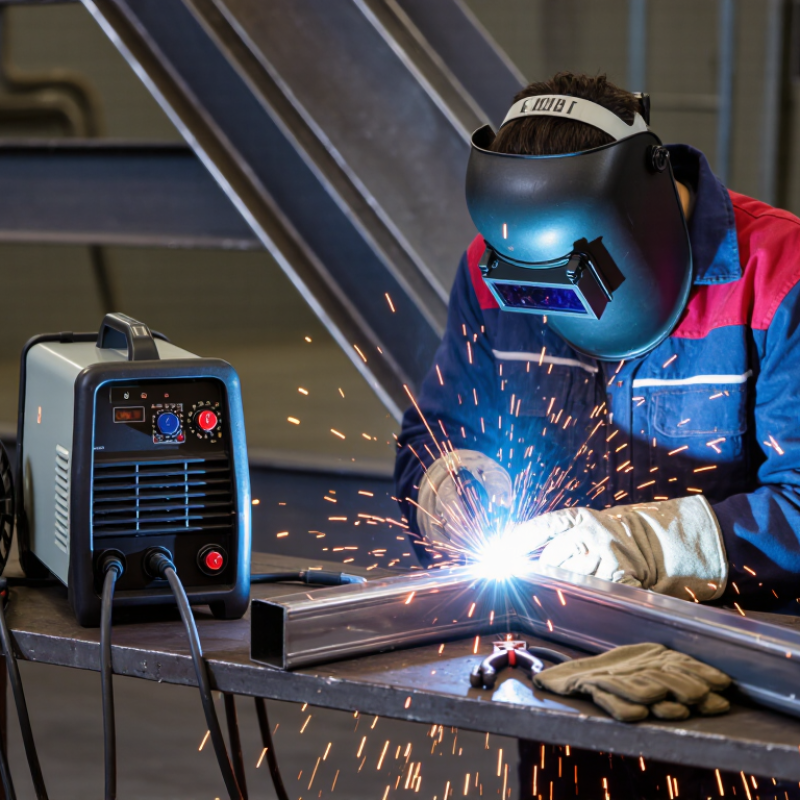
Arc welding equipment includes a power source, cables, an electrode holder or welding torch, and a work clamp. The power source controls the current needed to create an electric arc. Cables carry that current between the machine, electrode, and workpiece. The clamp attaches to clean metal so the electrical circuit can function reliably. A loose connection or damaged cable can cause an unstable arc, so these parts deserve inspection before work begins.
The electrode depends on the welding process. Some setups use a consumable stick electrode; others feed wire through a torch. Certain processes also require shielding gas, supplied through a regulator and hose, to protect the molten weld from air. Not every arc welding system uses gas. That detail is easy to overlook. A helmet with a suitable filter, protective gloves, flame-resistant clothing, and sturdy footwear help shield the operator from sparks, heat, and arc light. Work-area ventilation matters too. In practice, small accessories such as wire brushes, pliers, and clamps can make preparation and cleanup easier, though they do not replace correct settings or sound technique.
Arc welding equipment is used to join metal parts by creating intense heat at their edges. A typical setup includes a power source, welding leads, an electrode holder or torch, and a work clamp. The clamp completes the electrical circuit through the workpiece. Different processes use different electrodes and shielding methods.
How Arc Welding Equipment Creates a Weld
When the electrode approaches the metal, an electric arc forms across the small gap. Its heat melts the base metal and, in many processes, the electrode too. These molten materials gather in a small pool. As the welder moves along the joint, the pool follows and then cools into a solid bead. The electrode coating or a separate shielding gas helps protect hot metal from air. A steady hand matters. Too much distance can weaken the arc; moving too quickly may leave a narrow, shallow bead. Real results also depend on metal thickness, joint fit, and machine settings.
Tips: Keep the work clamp firmly attached to clean metal. Check that the electrode and settings suit the material. Wear proper eye and skin protection, and practice on scrap first. Even a neat-looking bead may hide flaws, so inspect the joint rather than judging appearance alone.
Arc welding equipment supplies and controls electrical current to create an arc between the electrode and the workpiece. The arc’s heat melts the base metal and, depending on the process, filler metal to form a weld. The approximate current ranges shown vary with material, thickness, electrode, and welding position.
Arc welding works well on carbon steel, stainless steel, and many nickel alloys. Aluminum can also be welded, though oxide removal and heat control demand care. AWS D1.1/D1.1M:2020 covers structural steels with specified yield strengths up to 100 ksi (690 MPa). That scope is useful for steel fabrication, but it does not make every steel grade or thickness suitable without procedure checks.
Common joint designs include butt, lap, T, and corner joints. A butt joint can join plates edge to edge; thicker sections may need a groove and multiple passes. Lap joints overlap, but gaps can trap moisture or create crevices. T-joints often appear in frames and brackets. Fit-up matters. A narrow root gap can block penetration, while an oversized gap may cause burn-through on thin sheet.
Material and joint choice must match the process, thickness, and service loads. Aluminum conducts heat quickly, so a joint may need a different setup than a similar steel part. Cast iron is less forgiving; its high carbon content can contribute to cracking, so specialized procedures are often needed. ISO 5817:2023 defines three quality levels—B, C, and D—for specified fusion-weld imperfections. The required level should reflect the application, not just appearance. A clean bead can still hide a weak root.
Arc welding equipment is used wherever metal parts must be joined, repaired, or built into a larger structure. In construction, crews weld steel beams, handrails, brackets, and reinforcing components on site. These jobs may involve awkward positions, changing weather, and metal that needs careful preparation before an arc is struck.
Metal fabrication shops use welding equipment to make frames, machinery housings, trailers, and custom parts. Operators often work from drawings, fit pieces on a bench, then check alignment and weld quality. Repetition matters here. A small mismatch can affect the whole assembly. Shipyards and heavy-equipment workshops also use arc welding for thick structural sections and repairs, where access and material thickness influence process choice.
Maintenance teams rely on portable equipment to repair cracked supports, gates, and worn machinery parts. Farms use it for practical fixes, such as reinforcing a loader attachment or repairing a steel fence. The right setup depends on the metal, joint, location, and required strength; one machine or electrode does not suit every task. Sometimes a quick repair looks sound but needs a closer inspection. Clean surfaces, correct settings, and suitable protective gear remain essential, even on familiar jobs.
| Industry | Common welding tasks | Common arc processes | Typical equipment and materials | Practical considerations |
|---|---|---|---|---|
| Construction and structural steel | Joining beams, columns, braces, plates, and steel connections at fabrication shops or job sites. | SMAW (stick), FCAW, GMAW, and, in suitable shop settings, SAW. | Power sources, electrode holders or wire feeders, welding cables, and carbon-steel electrodes or wire. | Outdoor work may favor processes less sensitive to wind; structural welds must meet applicable design and inspection requirements. |
| Shipbuilding and marine repair | Fabricating hull sections, decks, stiffeners, and bulkheads; repairing steel structures and components. | FCAW, GMAW, SMAW, and SAW for appropriate production work. | Portable or production welding systems, wire feeders, torches, and equipment suited to steel or specified marine alloys. | Access, position, ventilation, fire prevention, and control of distortion are important in confined or large-assembly work. |
| Pipeline construction and maintenance | Joining pipe sections and making approved repairs to pipeline components. | SMAW is commonly used in field work; mechanized GMAW or other qualified processes may be used for specific applications. | Field power sources, electrode holders or mechanized welding systems, and consumables specified for the pipe material and procedure. | Welding procedures, welder qualification, preheat or interpass controls when required, and inspection are essential. |
| Automotive and transportation manufacturing | Producing vehicle frames, brackets, body components, trailers, and other metal assemblies. | GMAW is widely used; resistance spot welding is also common in vehicle production but is not an arc-welding process. | Power sources, wire feeders, welding guns, fixtures, and compatible wire for steel or other specified metals. | Repeatability, production speed, joint fit-up, and control of heat input matter in high-volume manufacturing. |
| Heavy equipment and agricultural machinery | Fabricating or repairing frames, buckets, booms, chassis, and structural attachments. | SMAW, FCAW, and GMAW, selected according to the component and repair procedure. | Shop or portable power sources, wire feeders or electrode holders, and consumables compatible with the base metal. | Thick sections may require joint preparation and controlled preheat; repairs should account for fatigue and service loads. |
| Pressure vessels and industrial fabrication | Building tanks, boilers, pressure vessels, and process equipment from plate, pipe, or formed sections. | GTAW, SMAW, GMAW, FCAW, or SAW, depending on material, joint, and qualified procedure. | Power sources, torches or wire systems, positioners where applicable, and specified filler metals. | Traceability, procedure compliance, nondestructive examination, and code requirements can govern production and repair. |
| Maintenance and general metal repair | Repairing broken steel parts, brackets, frames, and shop equipment; adding or replacing metal sections. | SMAW, GMAW, or GTAW, chosen for access, material, thickness, and finish requirements. | Multiprocess or process-specific power sources, leads, holders or torches, and suitable electrodes or filler wire. | Identifying the base metal and removing contamination are important; some repairs require engineering approval. |
| Stainless steel and nonferrous fabrication | Making clean, controlled joints in stainless-steel equipment, aluminum structures, and selected copper-alloy components. | GTAW for precise work; GMAW for suitable production applications. Process and current type depend on the alloy. | Compatible power source, torch, shielding-gas system, filler metal, and material-specific setup. | Alloy-specific filler, shielding, cleanliness, and heat control help limit defects and preserve material properties. |
Note: Process suitability depends on the base material, joint design, thickness, working position, environment, and applicable welding procedure.
Arc welding equipment creates the heat needed to fuse metal, but its electrical current, ultraviolet light, sparks, and fumes demand careful controls. Look for intact cable insulation, secure electrode holders, sound return connections, and thermal overload protection. A voltage-reduction device can lower open-circuit voltage when the machine is idle; it does not replace dry gloves or safe handling. Keep the work area dry. Small details matter.
The National Fire Protection Association’s report “Structure Fires Started by Cutting, Welding, or Related Activities” estimated an average of 4,580 such structure fires annually from 2013 to 2017. Clear combustibles from the work zone, shield nearby surfaces, and keep suitable fire-response equipment accessible. OSHA’s welding standard, 29 CFR 1910.252, also calls for ventilation and fire-prevention precautions. Use local exhaust where practical, and position your head outside the rising fume plume. A properly shaded helmet, safety glasses, flame-resistant clothing, and leather gloves help protect against arc radiation and hot spatter. Inspect them before striking an arc. A cracked lens or damp cuff is easy to overlook, even on a familiar job.
„Thanks to the LUVIR technology, the solder resist process could be switched directly from the previously used mask exposure to direct exposure. As an outstanding digital solution on the market, this technology has been able to demonstrate fast process times and superior quality on our certified conventional ink in production. This allowed us to fully digitize the solder mask process at low cost – without process or ink adjustments. An excellent benefit to our production in Rot am See.“
Ralf Göhringer (Head of Production WE Rot am See)
I would definitely recommend the Limata machine and team for a future company purchase
Michael Greenaway
Compunetics Inc.
“The Limata ldi has been amazing!! Best thing we did was buy this machine”
Richard Brady
GM
Circuitlabs
“Since 2019, we have been running the Limata X1000 LDI system (including LUVIR for solder mask imaging) in daily production as an addition to our current process with film. The machine was capable of properly exposing Taiyo PSR-4000 BN (DI) solder mask types on normal to high-copper boards using a new and unique direct imaging process. The machine operating interface is very user friendly which allowed for a quick technical training curve. The pre-registration processing reduced several seconds of production time at every print. Limata support and service staff is incomparable. They supported our team every step of the way at basically any time of the day or night, with literally, an immediate response time, customizing the software interface to best fit our Operations and needs.
We have exposed more than 8,000 prints since end of October, on various solder mask colors and some resist film panels. Limata, has proven to be very capable and innovative. They are a strong contender in the industry.
We have very much enjoyed this project, and working with the team!
Thank you Limata for the continued support and being a part of our growth.”
Bill Sezate
Vice President, GM
Summit Interconnect
As a replacement to our current contact exposure process with film, the LIMATA X2000 system including LUVIR-Technology was capable of properly exposing non-LDI solder mask types using a direct imaging process. The machine offers cutting edge software with a very intuitive operating interface which allowed for quick technician training curve. The dual drawer system combined with pre-registration processing reduced several seconds of production time at every machine cycle. Limata support and service staff is world class. They added software patches to keep production running at shortest possible response times, customized the software interface to best fit our in-house Operations system, and even wrote a step-by-step machine processing manual. As a result of the project, we have exposed more than 16,000 times on various product types and solder mask brands/colors. Limata, in a very short timeframe as a company, has definitely shown they are truly innovative and will be challenging the industry of direct imaging for the top spot.
Kevin Beattie
Process Engineer
TTM Technologies
Forest Grove Division
