In the dynamic landscape of global trade, the Automatic Transfer Pump stands out as an essential tool for various industries. This versatile device streamlines fluid transfer processes, improving efficiency and safety. Buyers around the world recognize its potential for reducing operational costs and enhancing productivity. Many companies struggle with outdated pumping systems, risking delays and inefficiencies. An Automatic Transfer Pump can alleviate these issues, providing reliable performance.
With the ongoing advancements in technology, understanding the benefits of Automatic Transfer Pumps is crucial for informed purchasing decisions. These pumps offer features such as automatic shut-off, which enhances safety by preventing overflow issues. Additionally, their compatibility with different fluids makes them a flexible choice across various sectors. However, buyers must be cautious in selecting models that suit their specific needs.
Choosing the right Automatic Transfer Pump requires careful consideration of factors like capacity, materials, and regulatory compliance. Some buyers may overlook these details, leading to suboptimal performance. By prioritizing quality and reliability, global buyers can ensure they invest wisely. Understanding the top benefits of these pumps will pave the way for smarter operational strategies in today's competitive market.
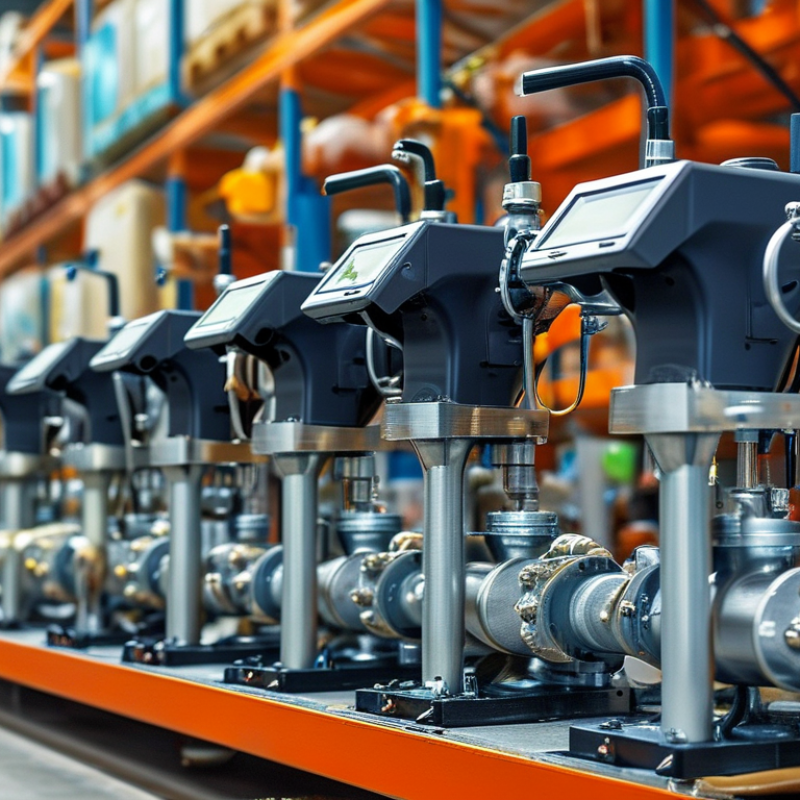
Automatic transfer pumps have become essential in various industries, offering multiple benefits for global buyers. These pumps facilitate efficient and safe transfer of liquids, enhancing workflow and productivity. According to a recent industry report, the global market for automatic transfer pumps is projected to grow at a CAGR of 5.2% from 2023 to 2030. This growth reflects the increasing demand for reliable fluid transfer solutions.
One significant advantage of automatic transfer pumps is their ability to minimize human intervention. Automation reduces the risk of spills and leaks, promoting a safer working environment. For example, studies indicate that automation can decrease workplace incidents by up to 30%, highlighting its importance in safety protocols. Additionally, these pumps often feature advanced monitoring systems, allowing for real-time data on liquid levels and flow rates.
However, investing in automatic transfer pumps also presents challenges. Some buyers may face initial setup costs that can be daunting. Ensuring compatibility with existing systems is another hurdle. Inadequate training for staff can lead to inefficiencies, even with the best equipment. Buyers should conduct thorough market research to assess their specific needs and align them with available solutions. This reflective approach can help in harnessing the full potential of automated systems.
| Benefit | Description | Application Areas | Energy Efficiency |
|---|---|---|---|
| Increased Efficiency | Automatic transfer pumps enhance operational efficiency by reducing manual input. | Industrial, Agricultural, Wastewater Management | Lower energy consumption compared to manual pumps. |
| Cost Savings | Reduced labor costs and increased productivity lead to significant savings. | Manufacturing, Construction, Marine | Efficient designs lead to prolonged operational life and decreased maintenance costs. |
| Reliability | Automatic transfer pumps are designed for consistent performance over time. | Oil and Gas, Chemical Processing, HVAC Systems | Often equipped with sensors to monitor performance and alert for issues. |
| Versatility | Can handle various fluids and adapt to different environments. | Agriculture, Biopharmaceuticals, Water Resource Management | Customizable settings for different applications help optimize energy use. |
| Enhanced Safety | Reduces risk of human error during fluid transfer operations. | Chemical Plants, Food Processing, Hazardous Waste Management | Lower energy levels can lead to safer operations in critical environments. |
Automatic transfer pumps play a crucial role in various industries, including agriculture, construction, and manufacturing. These pumps automate the transfer of liquids, enhancing efficiency and safety. They are designed to move liquids from one location to another without human intervention, reducing the risk of spills and exposure to hazardous materials.
One of the key benefits of automatic transfer pumps is their ability to handle various liquid types. They can transfer water, chemicals, and fuels, adapting to different industrial needs. This versatility makes them an invaluable asset in diverse settings. Maintenance is essential, yet it can be challenging. Regular checks and timely repairs help prevent unexpected failures.
Tips: Consider the pump's capacity and compatibility with your specific liquids. Assess how often you need to transfer materials. A thorough understanding of your needs can lead to better efficiency. Always consult a professional for installation and maintenance insights. Ensure reliable power sources are available to avoid operational disruptions, as these pumps depend heavily on consistent power supply.
Automatic transfer pumps are becoming essential tools for various industries. They enhance efficiency and save time during fluid transfer processes. For global buyers, this is a critical factor. These pumps can move liquids quickly, reducing downtime while increasing productivity. Quick transfers mean workers spend less time managing liquids and more time focusing on their core tasks.
Many buyers appreciate the reliability of automatic transfer pumps. They are designed to work consistently under various conditions. However, not every pump is perfect. Some might struggle with specific fluids or require maintenance. It's crucial for buyers to assess their specific needs. Efficiency can sometimes hide underlying issues, like wear and tear. Proper evaluation before purchase is essential.
Moreover, the speed of fluid transfer can lead to complacency. Some users might assume that all pumps will perform similarly. This can result in overlooked factors such as compatibility and safety. Buyers need to remain diligent. Understanding the unique characteristics of fluids is vital for operational success. Always prioritize equipment that aligns with specific application requirements.
This chart illustrates the efficiency and time savings gained from using automatic transfer pumps in fluid transfer processes. The data reflects key advantages experienced by users globally.
Automatic transfer pumps offer significant cost-effectiveness for global buyers. Their efficiency can reduce energy consumption, leading to lower utility bills over time. This financial benefit becomes evident when businesses examine their annual expenses. Energy savings, while often overlooked, play a crucial role in long-term budgeting.
Moreover, these pumps minimize labor costs. With automated systems, fewer personnel are needed for operation and maintenance. This shift towards automation can create challenges. Training staff to handle these new systems may require time and resources. However, the transition often leads to a more skilled workforce, capable of managing advanced technologies.
Investing in automatic transfer pumps can lead to unforeseen expenses. Initial purchase prices may be higher, but consider the lifetime savings. Maintenance costs tend to reduce with high-quality pumps. Ultimately, the focus should be on understanding these long-term financial implications. Balancing upfront investment with ongoing savings is essential for informed decision-making.
Fluid management poses significant risks in various industries. Automatic transfer pumps can enhance safety protocols, preventing spills and leaks. These pumps typically feature controls that minimize human error, a common cause of accidents. By using these systems, workers are less likely to be exposed to hazardous materials.
Additionally, maintenance plays a crucial role in safety. Regular checks are vital for ensuring equipment reliability. However, it is essential to remember that even the most advanced technologies require proper handling. Mistakes can still happen, and training is key. Operators must understand how to safely interact with the pumps, including emergency procedures.
Incorporating automatic transfer pumps can lead to a more controlled environment. They offer precision in fluid transfer, which is often necessary for sensitive operations. Yet, the risk of complacency can be a downside. Workers might rely too heavily on technology. Continuous education of best practices remains essential in maintaining safety. Ensuring human oversight alongside automation creates a safer workplace.
The article "Top Automatic Transfer Pump Benefits for Global Buyers" explores the essential role of Automatic Transfer Pumps in various fluid management applications. These pumps are designed to enhance efficiency and save time, making fluid transfer processes smoother and more reliable. By automating fluid movement, users can significantly reduce manual labor and the associated risks.
In addition to operational efficiency, the article analyzes the cost-effectiveness of Automatic Transfer Pumps, highlighting their long-term financial benefits. Implementing these pumps can lead to substantial savings by minimizing waste and optimizing resource usage. Furthermore, safety enhancements are addressed, as Automatic Transfer Pumps help to mitigate risks associated with fluid management, ensuring a safer working environment. The article also emphasizes the environmental advantages of choosing Automatic Transfer Pumps, promoting sustainable procurement practices that are increasingly vital in today's global market.
„Thanks to the LUVIR technology, the solder resist process could be switched directly from the previously used mask exposure to direct exposure. As an outstanding digital solution on the market, this technology has been able to demonstrate fast process times and superior quality on our certified conventional ink in production. This allowed us to fully digitize the solder mask process at low cost – without process or ink adjustments. An excellent benefit to our production in Rot am See.“
Ralf Göhringer (Head of Production WE Rot am See)
I would definitely recommend the Limata machine and team for a future company purchase
Michael Greenaway
Compunetics Inc.
“The Limata ldi has been amazing!! Best thing we did was buy this machine”
Richard Brady
GM
Circuitlabs
“Since 2019, we have been running the Limata X1000 LDI system (including LUVIR for solder mask imaging) in daily production as an addition to our current process with film. The machine was capable of properly exposing Taiyo PSR-4000 BN (DI) solder mask types on normal to high-copper boards using a new and unique direct imaging process. The machine operating interface is very user friendly which allowed for a quick technical training curve. The pre-registration processing reduced several seconds of production time at every print. Limata support and service staff is incomparable. They supported our team every step of the way at basically any time of the day or night, with literally, an immediate response time, customizing the software interface to best fit our Operations and needs.
We have exposed more than 8,000 prints since end of October, on various solder mask colors and some resist film panels. Limata, has proven to be very capable and innovative. They are a strong contender in the industry.
We have very much enjoyed this project, and working with the team!
Thank you Limata for the continued support and being a part of our growth.”
Bill Sezate
Vice President, GM
Summit Interconnect
As a replacement to our current contact exposure process with film, the LIMATA X2000 system including LUVIR-Technology was capable of properly exposing non-LDI solder mask types using a direct imaging process. The machine offers cutting edge software with a very intuitive operating interface which allowed for quick technician training curve. The dual drawer system combined with pre-registration processing reduced several seconds of production time at every machine cycle. Limata support and service staff is world class. They added software patches to keep production running at shortest possible response times, customized the software interface to best fit our in-house Operations system, and even wrote a step-by-step machine processing manual. As a result of the project, we have exposed more than 16,000 times on various product types and solder mask brands/colors. Limata, in a very short timeframe as a company, has definitely shown they are truly innovative and will be challenging the industry of direct imaging for the top spot.
Kevin Beattie
Process Engineer
TTM Technologies
Forest Grove Division
