Battery Connectors play a vital role in today's energy systems. As the demand for electric vehicles and renewable energy grows, the importance of battery connectors becomes evident. According to a recent industry report, the global market for battery connectors is projected to reach $1.5 billion by 2025, reflecting a significant increase in usage.
In essence, a battery connector is designed to connect batteries to various power sources and loads. Its reliability directly impacts the performance and safety of electronic devices. However, many users overlook the crucial role these connectors play. The effectiveness of a battery relies not just on the cells but also on their interconnection.
Understanding battery connectors' design, material, and functionality is essential. Poor connections can lead to energy loss or even hazardous situations. Industry experts emphasize that investing in high-quality battery connectors can ensure longevity and efficiency. Yet, some still settle for cheaper alternatives. This may raise questions about safety and reliability in the long term.
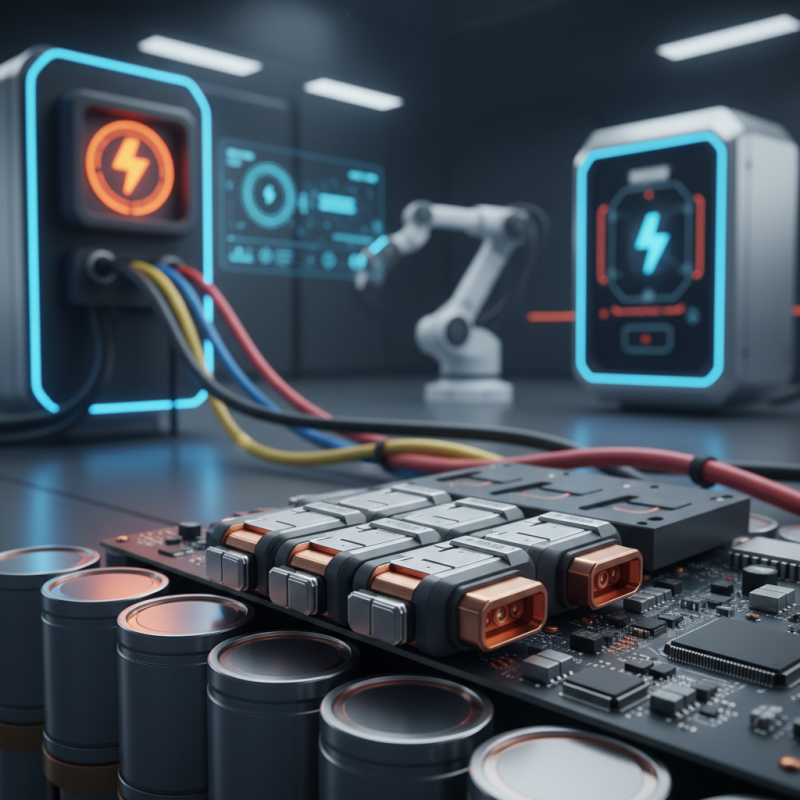
Battery connectors are essential components in electrical systems. They link batteries to devices, enabling the flow of electric current. Various types exist, including blade, ring, and bullet connectors. Each type is designed for specific applications. Blade connectors are common in automotive batteries, while ring connectors are ideal for secure terminal connections.
The function of a battery connector is to ensure a reliable electrical connection. A good connection prevents power loss and protects devices. Poor quality connectors can lead to overheating or system failure. It is crucial to choose the right connector type for your specific application.
**Tips:** Ensure connectors are clean before use. Dirt can cause resistance, leading to inefficiency. Also, check for any signs of wear or damage regularly. This can prolong the life of your battery and devices. Remember, the right choice matters. Reflect on your current setup. Is it the best for your needs?
Battery connectors play a crucial role in the functionality of electric devices. They link batteries to circuits, ensuring proper power transfer. A typical battery connector comprises several key components, including terminals, housings, and locking mechanisms.
Terminals are the conductive ends that connect to the battery and the device. They can be of different shapes and sizes, depending on the application. Proper terminal contact is vital to avoid power loss. The housing provides insulation and protection for these terminals. It prevents short circuits and environmental damage. The locking mechanism secures the connection, preventing accidental disconnections.
When choosing a battery connector, consider the current rating, voltage, and environmental factors. Always ensure a snug fit to prevent arcing. Connecting your battery securely enhances overall safety. Remember, proper installation and maintenance prolong the life of your connectors. Regularly check for signs of wear or corrosion to avoid potential issues.
Battery connectors play a crucial role in enabling electrical devices. They facilitate the safe and reliable connection between batteries and electronic components. Understanding how they work requires a look into both electrical and mechanical principles.
These connectors are usually made of metals like copper or aluminum for efficient conductivity. The design must ensure a tight fit, preventing loose connections that can lead to power loss or overheating. Mechanical stability is vital for maintaining connection integrity during vibrations or movement.
Electrical principles come into play with the flow of current. When a battery connector is attached, electric current travels through the connector to power devices. Any corrosion or wear can disrupt this flow. It's important to regularly inspect battery connectors for damage, as neglect can lead to performance issues.
Reliable connections are essential for safety and functionality, and attention to detail can make a significant difference in device performance.
Battery connectors play a vital role in many industries. They ensure reliable and efficient power transfer between batteries and devices. In renewable energy, battery connectors are essential for linking solar energy systems with storage batteries. This connection allows homeowners to store excess energy generated during the day for later use.
In the automotive sector, battery connectors are crucial for electric vehicles. These connectors must withstand high currents and harsh conditions. They need to be compact yet robust, ensuring safety and performance. With the rise of electric vehicles, the demand for reliable connectors is growing. Engineers continuously seek innovative solutions to improve their designs.
Battery connectors also find applications in medical equipment. In critical situations, reliable power delivery is paramount. Medical devices often rely on battery connectors for backup power. However, issues can arise due to wear and tear. Regular maintenance is necessary to ensure safety and efficiency. Exploring these aspects highlights the complexity and importance of battery connectors across industries.
When installing and maintaining battery connectors, following best practices is crucial to ensure efficiency and safety. The International Electrotechnical Commission (IEC) states that improper connections can lead to significant power losses, reducing efficiency by up to 20%. Ensuring a clean, corrosion-free contact area is essential. Regular inspections help identify wear or corrosion, which can affect performance.
Connection techniques matter. The American National Standards Institute (ANSI) recommends secure tightening, but be cautious. Over-tightening can damage terminals and compromise safety. Choosing the right connector for the application is also vital. Different environments require different materials. For instance, connectors used in marine applications demand higher resistance to saltwater corrosion.
Keeping connectors neat promotes safety. Using cable management tools can prevent strain and accidental disconnections. Regularly reviewing connection integrity is also wise. A report by the Electric Power Research Institute (EPRI) revealed that nearly 30% of equipment failures are linked to connection issues. Engaging in frequent inspections can mitigate unexpected downtime and costs. This approach fosters reliability in any battery system, driving efficiency higher.
| Dimension | Description | Best Practices |
|---|---|---|
| Material | Common materials include copper, aluminum, and plastic. | Use corrosion-resistant materials for longer lifespan. |
| Current Rating | Indicates the maximum current that can safely pass through the connector. | Select connectors with a rating that exceeds your application’s maximum current demands. |
| Voltage Rating | Specifies the maximum voltage across the connector. | Ensure connector's voltage rating matches or exceeds the battery voltage to avoid failures. |
| Connector Type | Types include screw terminal, snap-on, and solder type connectors. | Choose the right type based on application and ease of maintenance. |
| Installation Method | Can be crimped, soldered, or screwed into place. | Follow manufacturer guidelines and use proper tools for installation. |
| Maintenance | Regular inspection for corrosion and damage. | Clean contacts regularly and replace any damaged connectors immediately. |
„Thanks to the LUVIR technology, the solder resist process could be switched directly from the previously used mask exposure to direct exposure. As an outstanding digital solution on the market, this technology has been able to demonstrate fast process times and superior quality on our certified conventional ink in production. This allowed us to fully digitize the solder mask process at low cost – without process or ink adjustments. An excellent benefit to our production in Rot am See.“
Ralf Göhringer (Head of Production WE Rot am See)
I would definitely recommend the Limata machine and team for a future company purchase
Michael Greenaway
Compunetics Inc.
“The Limata ldi has been amazing!! Best thing we did was buy this machine”
Richard Brady
GM
Circuitlabs
“Since 2019, we have been running the Limata X1000 LDI system (including LUVIR for solder mask imaging) in daily production as an addition to our current process with film. The machine was capable of properly exposing Taiyo PSR-4000 BN (DI) solder mask types on normal to high-copper boards using a new and unique direct imaging process. The machine operating interface is very user friendly which allowed for a quick technical training curve. The pre-registration processing reduced several seconds of production time at every print. Limata support and service staff is incomparable. They supported our team every step of the way at basically any time of the day or night, with literally, an immediate response time, customizing the software interface to best fit our Operations and needs.
We have exposed more than 8,000 prints since end of October, on various solder mask colors and some resist film panels. Limata, has proven to be very capable and innovative. They are a strong contender in the industry.
We have very much enjoyed this project, and working with the team!
Thank you Limata for the continued support and being a part of our growth.”
Bill Sezate
Vice President, GM
Summit Interconnect
As a replacement to our current contact exposure process with film, the LIMATA X2000 system including LUVIR-Technology was capable of properly exposing non-LDI solder mask types using a direct imaging process. The machine offers cutting edge software with a very intuitive operating interface which allowed for quick technician training curve. The dual drawer system combined with pre-registration processing reduced several seconds of production time at every machine cycle. Limata support and service staff is world class. They added software patches to keep production running at shortest possible response times, customized the software interface to best fit our in-house Operations system, and even wrote a step-by-step machine processing manual. As a result of the project, we have exposed more than 16,000 times on various product types and solder mask brands/colors. Limata, in a very short timeframe as a company, has definitely shown they are truly innovative and will be challenging the industry of direct imaging for the top spot.
Kevin Beattie
Process Engineer
TTM Technologies
Forest Grove Division
