As cities become more congested and environmental concerns escalate, Battery Electric Bicycles (BEBs) present a promising solution. Dr. Emily Carter, an expert in sustainable transportation, emphasizes, "Electric bikes can transform urban travel." This statement captures the essence of BEBs in fostering eco-friendly commuting options.
BEBs are not just a trend; they represent a shift toward sustainable travel. These bicycles combine convenience and zero emissions. They allow riders to navigate traffic effortlessly while reducing their carbon footprint. Yet, challenges exist. Accessibility and initial cost can hinder widespread adoption.
Nonetheless, urban developers are investing in infrastructure to support Battery Electric Bicycles. Charging stations are becoming more common. Consumers are beginning to see this mode of transport as viable. The potential of BEBs is immense, but further awareness and education are necessary to unlock their full benefits.
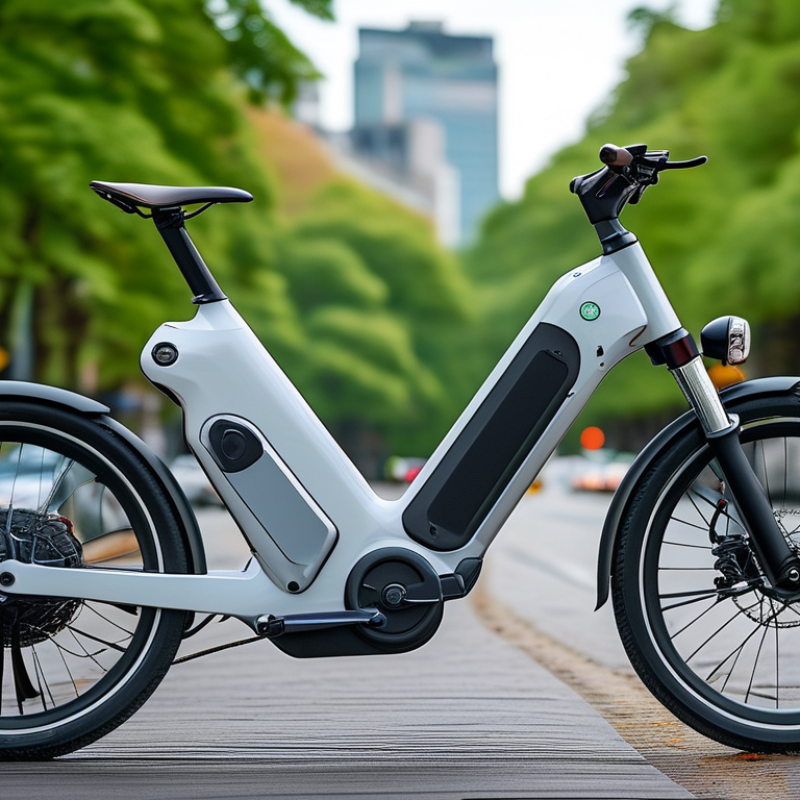
Battery electric bicycles (e-bikes) are emerging as a preferred choice for eco-friendly commuting. They offer a sustainable alternative to gas-powered vehicles. According to a recent study by the European Cyclists' Federation, e-bikes can reduce carbon emissions by as much as 75% compared to cars. This significant reduction makes a compelling case for urban commuters looking to lessen their environmental impact.
E-bikes encourage a more active lifestyle. A report from the National Institute for Transportation and Communities notes that e-bike users tend to ride more frequently and over longer distances. The electric assist helps users tackle hills and long commutes with ease. These bikes also require fewer resources to manufacture than traditional vehicles, minimizing their ecological footprint. Furthermore, they promote local economies by encouraging more people to shop and dine nearby.
Tip: When choosing an e-bike, consider factors such as battery life and range. A well-chosen bike can enhance your commuting experience.
Despite the benefits, e-bikes aren't a silver bullet. The initial cost can be higher than traditional bikes, potentially discouraging some users. Additionally, not all regions offer the necessary infrastructure, like bike lanes. Investing in proper infrastructure is crucial for maximizing the potential of e-bikes. Ultimately, addressing these challenges can pave the way for a more sustainable future in urban transportation.
Battery electric bicycles (e-bikes) have gained traction as a sustainable transportation option. Studies indicate that e-bikes can be 5 to 10 times more energy-efficient than traditional bicycles. This efficiency is crucial in urban areas plagued by traffic congestion and pollution. According to a 2021 report by the European Cyclists' Federation, e-bikes reduce carbon emissions by 30 grams per kilometer, making them a greener alternative.
When analyzing the practical benefits, e-bikes hold clear advantages. For instance, e-bikes offer assistance on inclines, making them accessible to a broader audience. Traditional bicycles may deter some users due to physical constraints. However, the purchase and maintenance costs of e-bikes can be daunting, often exceeding traditional bike prices by 100% or more. For those with tight budgets, e-bike ownership may pose a challenge.
Despite the benefits, there are areas for improvement. Battery lifespan and disposal remain pressing concerns. Most e-bike batteries last around 500 to 1000 cycles. After that, they can become an environmental hazard if not recycled properly. Additionally, charging infrastructure is still under development in many cities. Addressing these issues can enhance the long-term sustainability of e-bikes.
Choosing battery electric bicycles for sustainable travel offers notable cost-effectiveness over time. Initial investment is often higher than traditional bikes, but savings quickly accumulate. Electric bicycles require less maintenance. There are fewer moving parts compared to gas-powered vehicles. This simplicity reduces long-term costs.
Consider the savings on fuel and insurance. Users of electric bicycles can spend significantly less on transportation. Many areas promote cycling, providing incentives or reduced fees. Charging an electric bike is noticeably cheaper than refueling a car. Most users report lower monthly expenses.
However, battery longevity can be a concern. Replacement batteries are an expense. Over time, the total cost of ownership may vary based on usage. City infrastructure impacts costs, too. A lack of bike lanes might deter consistent use. Evaluating local conditions is essential. Understanding the total landscape of cost, performance, and practicality will lead to informed decisions.
Battery electric bicycles are revolutionizing sustainable travel. Technological innovations play a crucial role in this transformation. For instance, advancements in battery technology enhance range and performance. Cyclists can now travel longer distances without frequent charging. Lithium-ion batteries are becoming lighter and more efficient, allowing for better acceleration and speed.
Another significant innovation is the integration of smart technology. Features such as GPS navigation and smartphone connectivity improve the riding experience. Riders can track their routes and monitor battery levels easily. Furthermore, regenerative braking systems contribute to energy efficiency. As cyclists brake, energy returns to the battery, extending its lifespan and reducing waste.
Despite these advancements, challenges remain. Battery disposal and recycling processes need improvement. The environmental impact of battery production also raises concerns. Ensuring a sustainable future for electric bicycles requires ongoing innovation and responsibility. These reflections remind us of the complexities in promoting green technologies.
Choosing battery electric bicycles for travel significantly reduces environmental impact. According to the World Resources Institute, electric bikes can cut greenhouse gas emissions by up to 40% compared to traditional vehicles. This shift contributes to cleaner air quality, which is crucial in urban settings.
Electric bicycles also promote reduced energy consumption. A study from the European Cyclists’ Federation indicates that e-bikes consume about 1/20th the energy of cars per mile. This efficiency helps lessen the overall demand for fossil fuels, aligning with global sustainability goals.
**Tips for Sustainable E-Bike Use:** Always recharge your battery using renewable energy sources when possible. Regular maintenance extends the lifespan of your bike and optimizes its performance.
While e-bikes have clear benefits, they are not a perfect solution. The manufacturing process involves materials like lithium, which can have a negative ecological footprint. Consumers must consider the entire lifecycle of the bike when aiming for sustainability. Balancing convenience with environmental responsibility is essential.
„Thanks to the LUVIR technology, the solder resist process could be switched directly from the previously used mask exposure to direct exposure. As an outstanding digital solution on the market, this technology has been able to demonstrate fast process times and superior quality on our certified conventional ink in production. This allowed us to fully digitize the solder mask process at low cost – without process or ink adjustments. An excellent benefit to our production in Rot am See.“
Ralf Göhringer (Head of Production WE Rot am See)
I would definitely recommend the Limata machine and team for a future company purchase
Michael Greenaway
Compunetics Inc.
“The Limata ldi has been amazing!! Best thing we did was buy this machine”
Richard Brady
GM
Circuitlabs
“Since 2019, we have been running the Limata X1000 LDI system (including LUVIR for solder mask imaging) in daily production as an addition to our current process with film. The machine was capable of properly exposing Taiyo PSR-4000 BN (DI) solder mask types on normal to high-copper boards using a new and unique direct imaging process. The machine operating interface is very user friendly which allowed for a quick technical training curve. The pre-registration processing reduced several seconds of production time at every print. Limata support and service staff is incomparable. They supported our team every step of the way at basically any time of the day or night, with literally, an immediate response time, customizing the software interface to best fit our Operations and needs.
We have exposed more than 8,000 prints since end of October, on various solder mask colors and some resist film panels. Limata, has proven to be very capable and innovative. They are a strong contender in the industry.
We have very much enjoyed this project, and working with the team!
Thank you Limata for the continued support and being a part of our growth.”
Bill Sezate
Vice President, GM
Summit Interconnect
As a replacement to our current contact exposure process with film, the LIMATA X2000 system including LUVIR-Technology was capable of properly exposing non-LDI solder mask types using a direct imaging process. The machine offers cutting edge software with a very intuitive operating interface which allowed for quick technician training curve. The dual drawer system combined with pre-registration processing reduced several seconds of production time at every machine cycle. Limata support and service staff is world class. They added software patches to keep production running at shortest possible response times, customized the software interface to best fit our in-house Operations system, and even wrote a step-by-step machine processing manual. As a result of the project, we have exposed more than 16,000 times on various product types and solder mask brands/colors. Limata, in a very short timeframe as a company, has definitely shown they are truly innovative and will be challenging the industry of direct imaging for the top spot.
Kevin Beattie
Process Engineer
TTM Technologies
Forest Grove Division
