The world of agriculture is rapidly evolving. Farmers are increasingly turning to technology for help. One innovative solution is the Agricultural Drone Smart BMS. This system offers numerous advantages that can transform farming practices.
Drones are changing how crops are monitored and managed. The Agricultural Drone Smart BMS enhances precision in farming. This technology allows for accurate data collection and analysis. Farmers can make informed decisions based on real-time information. It helps in maximizing yields and reducing waste.
However, challenges remain. Some farmers may be hesitant to embrace this technology. The initial investment can be considerable. Additionally, training is necessary to operate these drones effectively. Despite these obstacles, the potential benefits are undeniable. Embracing the Agricultural Drone Smart BMS can lead to a more sustainable and productive agricultural future.
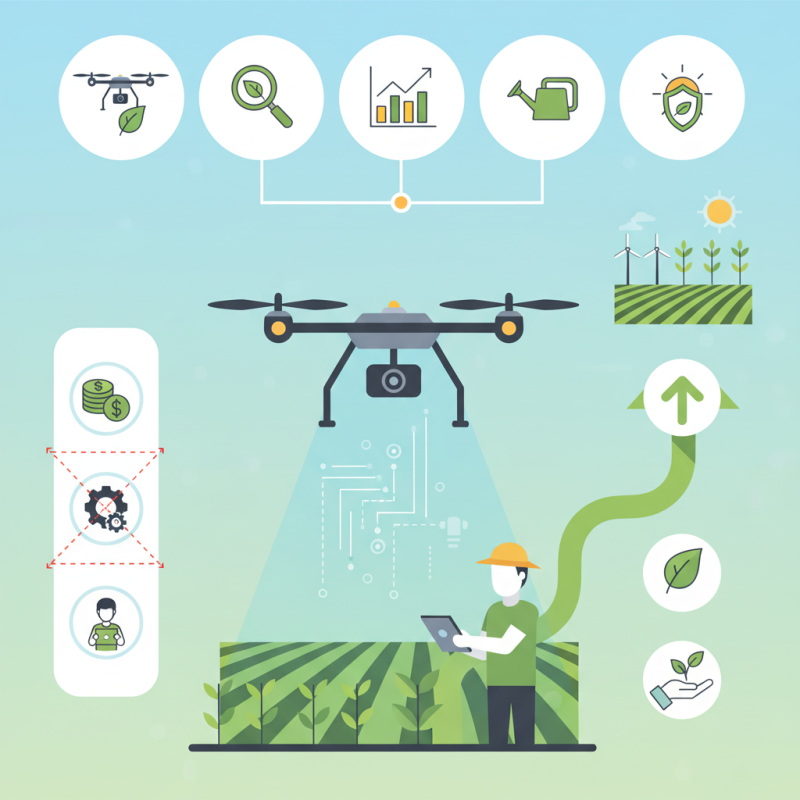
Agricultural drones are transforming precision farming practices. They offer a unique approach to monitoring crops. These drones gather crucial data that helps farmers make informed decisions. Their ability to cover vast areas quickly is notable. High-resolution imagery reveals crop health issues that might go unnoticed. This allows for timely intervention, reducing potential losses.
Farmers also benefit from targeted treatments. Drones can identify specific problem areas, allowing for precise application of fertilizers and pesticides. This precision not only saves costs but also minimizes environmental impact. However, relying solely on drone technology might not be ideal. Some farmers may overlook traditional methods that still hold value in crop management.
Weather conditions can also affect drone efficiency. High winds or rain might hinder aerial operations. Thus, integrating drone data with field observations remains crucial. Careful analysis of the data is necessary to ensure accuracy. An overreliance on technology without proper validation may lead to misguided decisions. Precision farming through agricultural drones is promising, but it requires a balanced approach.
Drones are transforming agricultural practices. Enhanced crop monitoring is one of their most significant benefits. By collecting data from above, farmers can observe crop health more accurately. This aerial perspective helps identify issues like pest infestations or nutrient deficiencies before they escalate. Crop stress indicators become visible, allowing for timely interventions.
The data collection process is sophisticated yet user-friendly. Drones equipped with sensors gather high-resolution images and monitor growth patterns. Farmers can analyze these visuals easily. This empowers them to make informed decisions. However, one might question the reliability of this technology. Connectivity issues or sensor malfunctions can impact data quality. It’s essential to verify the information before taking action.
This approach allows for precise management of resources, such as water and fertilizers. Data-driven decisions promote sustainability and enhance yield potential. Some farmers might feel overwhelmed by the technology. Yet, the benefits far outweigh the learning curve. Embracing drone technology can lead to a more efficient and productive agricultural future.
Agricultural drone technology is revolutionizing resource management and yield enhancement. By providing precise data, drones help farmers make informed decisions. They monitor crop health, track growth patterns, and assess soil conditions visually. This data is invaluable. It allows for timely interventions that can significantly increase output.
Tips for farmers: Regularly check the data from your drone. Look for patterns that may indicate issues with pests or disease. Small problems can escalate quickly if not addressed. Use this data to optimize your use of water and fertilizers.
Drones also enable efficient resource use. They reduce waste by delivering inputs directly where needed. However, reliance on technology can lead to overlooking traditional methods. Balance is essential for successful farming practices. Adapt your strategies based on the data, but remember the insights gained from experience.
This chart illustrates the top five benefits of implementing Agricultural Drones with Smart BMS technology, focusing on improvements in yield, resource management, and operational efficiency.
Agricultural drone technology is transforming farming. One major advantage is the reduction of operational costs through smart drone monitoring systems. These drones offer real-time data on crop health, pest detection, and soil conditions. Farmers can avoid unnecessary expenditures on fertilizers and pesticides, leading to significant savings.
Using drones can optimize field operations. Timely decisions based on accurate data help improve yields while minimizing waste. However, it's essential to remember that the initial investment in drone technology can be high. Farmers should weigh this investment against long-term savings.
Tips: Regularly update your drone software. This ensures access to the latest features and improvements. Also, consider training for staff to maximize the drones' benefits. Knowledgeable operators can make smarter decisions with drone data. Embracing this technology might seem daunting, but the potential for enhanced efficiency is worth exploring.
Agricultural drones are transforming how farmers manage their fields. One major advantage is real-time analytics. These drones can quickly gather data on crop health, moisture levels, and soil condition. This information is invaluable for making timely decisions. For instance, a farmer can detect a pest outbreak or nutrient deficiency within hours. The ability to monitor changes instantly helps to improve crop yields.
However, relying solely on technology isn't without challenges. Drones require skilled operators. Misinterpretation of data can lead to poor decisions. Farmers need to be trained adequately to use these tools effectively. It's vital to understand that while drones enhance decision-making, they should complement traditional farming knowledge, not replace it.
The integration of drone technology in agriculture is a step forward. It makes data more accessible, enabling smarter resource use. Yet, the need for human insight remains crucial. Balancing tech with experience can lead to a more sustainable farming future. As we advance, evaluating the human role in this process will be essential for maximizing the benefits.
| Benefit | Description | Impact |
|---|---|---|
| Real-time Data Collection | Drones collect data on crop health, soil conditions, and weather patterns instantly. | Enhances timely decision-making and resource allocation. |
| Precision Agriculture | Allows for targeted application of inputs to specific areas of a field. | Increases yields and reduces waste. |
| Cost Efficiency | Reduces labor costs and increases operational efficiency. | Higher profit margins for farmers. |
| Improved Yield Monitoring | Facilitates close monitoring of crop performance throughout the growing season. | Supports better crop management practices. |
| Enhanced Field Mapping | Provides high-resolution imagery for detailed mapping of fields. | Improves planning and field management strategies. |
„Thanks to the LUVIR technology, the solder resist process could be switched directly from the previously used mask exposure to direct exposure. As an outstanding digital solution on the market, this technology has been able to demonstrate fast process times and superior quality on our certified conventional ink in production. This allowed us to fully digitize the solder mask process at low cost – without process or ink adjustments. An excellent benefit to our production in Rot am See.“
Ralf Göhringer (Head of Production WE Rot am See)
I would definitely recommend the Limata machine and team for a future company purchase
Michael Greenaway
Compunetics Inc.
“The Limata ldi has been amazing!! Best thing we did was buy this machine”
Richard Brady
GM
Circuitlabs
“Since 2019, we have been running the Limata X1000 LDI system (including LUVIR for solder mask imaging) in daily production as an addition to our current process with film. The machine was capable of properly exposing Taiyo PSR-4000 BN (DI) solder mask types on normal to high-copper boards using a new and unique direct imaging process. The machine operating interface is very user friendly which allowed for a quick technical training curve. The pre-registration processing reduced several seconds of production time at every print. Limata support and service staff is incomparable. They supported our team every step of the way at basically any time of the day or night, with literally, an immediate response time, customizing the software interface to best fit our Operations and needs.
We have exposed more than 8,000 prints since end of October, on various solder mask colors and some resist film panels. Limata, has proven to be very capable and innovative. They are a strong contender in the industry.
We have very much enjoyed this project, and working with the team!
Thank you Limata for the continued support and being a part of our growth.”
Bill Sezate
Vice President, GM
Summit Interconnect
As a replacement to our current contact exposure process with film, the LIMATA X2000 system including LUVIR-Technology was capable of properly exposing non-LDI solder mask types using a direct imaging process. The machine offers cutting edge software with a very intuitive operating interface which allowed for quick technician training curve. The dual drawer system combined with pre-registration processing reduced several seconds of production time at every machine cycle. Limata support and service staff is world class. They added software patches to keep production running at shortest possible response times, customized the software interface to best fit our in-house Operations system, and even wrote a step-by-step machine processing manual. As a result of the project, we have exposed more than 16,000 times on various product types and solder mask brands/colors. Limata, in a very short timeframe as a company, has definitely shown they are truly innovative and will be challenging the industry of direct imaging for the top spot.
Kevin Beattie
Process Engineer
TTM Technologies
Forest Grove Division
