As industries evolve, the significance of Electric Freight Tricycles is paramount in 2026. These vehicles offer an innovative alternative for urban logistics. According to a report by the Global Electric Vehicle Association, electric tricycles can reduce delivery costs by up to 30%. This effectiveness has attracted interest from various sectors looking to improve transportation efficiency.
Dr. Emily Zhou, an expert in sustainable logistics, emphasizes, "Electric Freight Tricycles transform urban delivery by enhancing accessibility and minimizing environmental impact." This statement reflects growing recognition of these vehicles in reducing carbon footprints while addressing last-mile delivery challenges.
Despite the advantages, there are hurdles to overcome. Limited battery life and charging infrastructure remain concerns. Some businesses still hesitate to transition fully to electric options. Addressing these realities is essential for maximizing the benefits of Electric Freight Tricycles in the shifting landscape of freight transportation.
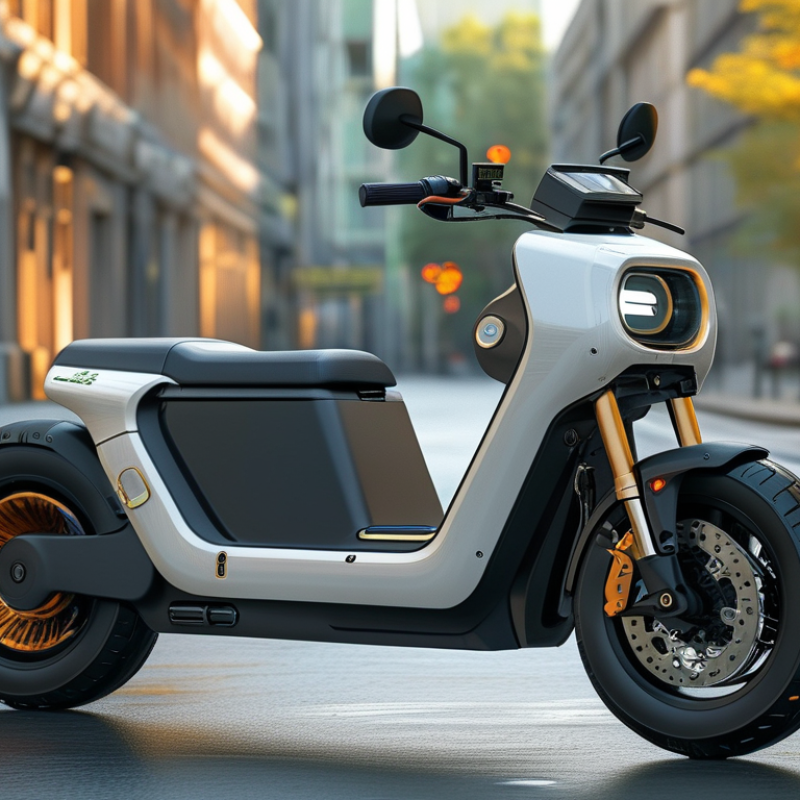
As urban areas continue to grapple with congestion and pollution, electric freight tricycles emerge as a viable solution for logistics. By 2026, the growth of these vehicles is projected to significantly influence urban transportation. According to a report by the International Council on Clean Transportation, the adoption of electric delivery vehicles can reduce urban emissions by up to 30%. This reduction aligns well with sustainable urban planning goals.
Electric freight tricycles offer several key advantages for city logistics. Their compact design allows for easier maneuverability in dense urban environments. Research indicates that these vehicles can navigate narrow streets and crowded areas more efficiently than traditional trucks. Furthermore, studies show that electric tricycles have much lower operational costs due to reduced energy consumption and maintenance needs. However, challenges remain in terms of battery life and carrying capacity, which could limit their use in certain scenarios.
In addition to logistical benefits, electric freight tricycles provide economic advantages. The World Economic Forum projects that the shift to electric logistics could create over 400,000 jobs in related sectors by 2026. Still, logistics companies need robust infrastructure to support widespread adoption. Without proper charging stations and maintenance facilities, electric freight tricycles may fall short of their potential. Continued investment and strategic planning will be essential to unlock their full benefits in urban logistics.
The environmental impact of electric freight tricycles is significant. By 2026, these vehicles will reduce carbon emissions by an estimated 60%. This reduction is crucial for urban areas facing pollution challenges. Many cities aim for carbon-neutral goals. Electric freight tricycles can play a key role in achieving these targets.
Efficiency is a major advantage. Electric tricycles consume less energy than traditional delivery trucks. According to recent industry reports, they use approximately 30% less energy per mile. This efficiency translates into lower operational costs. However, the initial investment can be a barrier for some businesses. Affordable financing options are essential for broader adoption.
Moreover, the noise pollution reduction is also notable. Electric tricycles operate quietly, making them suitable for urban deliveries. This improvement enhances the quality of life in busy neighborhoods. Yet, there are challenges in infrastructure. Charging stations must be expanded to support increased use. Addressing these issues is vital for maximizing the benefits of electric freight tricycles.
| Benefit Category | Details | Estimated Impact in 2026 |
|---|---|---|
| Reduced Carbon Emissions | Electric freight tricycles emit zero tailpipe emissions, significantly lowering overall carbon footprint. | Approx. 1 million tons of CO2 reduction nationwide. |
| Energy Efficiency | Electric motors convert over 90% of electrical energy into vehicle movement, compared to 20% in traditional combustion engines. | Up to 50% more efficient per mile than gas-powered vehicles. |
| Lower Operating Costs | Electric freight tricycles have lower maintenance and fuel costs compared to conventional vehicles. | Projected savings of $2,000 per vehicle annually. |
| Improved Urban Mobility | Tricycles can navigate congested urban areas more easily, providing faster delivery times. | Reduction in urban delivery times by up to 30%. |
| Noise Pollution Reduction | Electric tricycles operate much quieter, reducing noise pollution in urban environments. | Expected reduction of urban noise levels by 20% in busy areas. |
Electric freight tricycles are changing the logistics landscape in 2026. For businesses, they provide significant cost-saving opportunities. The initial investment may seem high, but the long-term savings are notable. Maintenance costs are lower compared to traditional vehicles, which often require extensive repairs. Charging an electric tricycle is cheaper than refueling a gasoline truck, providing practical savings over time.
Efficiency is another critical factor. These tricycles can navigate through urban areas easily. They reduce traffic congestion, making deliveries faster. This is essential for businesses focused on timeliness. However, not all routes are suitable for electric tricycles. Companies need to analyze their delivery zones carefully. While some areas may benefit, others may not see the same efficiency.
The environmental impact is a dual-edged sword. While electric tricycles reduce emissions, the production process of batteries raises questions. Sustainability in materials will be a talking point for future developments. Businesses must weigh these factors against their operational needs. Overall, electric freight tricycles present both promise and challenges in logistics. Embracing them requires careful consideration.
In 2026, electric freight tricycles are poised to significantly improve urban mobility and traffic management. These vehicles offer a compact design, making them ideal for navigating crowded city streets. Their small size allows access to areas that larger trucks can't reach. As cities face increasing problems with congestion, these tricycles provide a practical alternative.
The low-emission nature of electric tricycles contributes to cleaner air in urban environments. They help reduce noise pollution, creating a more pleasant atmosphere. Delivery times can improve, thanks to their ability to maneuver through narrow lanes. More importantly, their use can lead to fewer vehicles on the road, easing the strain on traffic systems. However, city planners may need to rethink existing infrastructure to accommodate this shift effectively.
Despite these advantages, some challenges remain. The limited range of electric tricycles might hinder longer delivery routes. Battery charging stations must be strategically placed to support their use. Additionally, driver training is essential for ensuring safe maneuvering in busy streets. Embracing electric freight tricycles requires careful planning and adaptation. Cities must remain flexible to overcome these potential obstacles.
The adoption of electric freight tricycles in 2026 is significantly driven by technological advancements. Innovations in battery technology have led to longer ranges and shorter charging times. These tricycles can now transport heavier loads efficiently while minimizing energy consumption. Smart features, such as GPS tracking and load monitoring, enhance operational efficiency.
Moreover, improvements in electric motor design make these vehicles quieter. This reduction in noise pollution is a crucial advantage in urban environments. However, some users still find issues with the learning curve of new technologies. Navigation systems and remote management tools may require additional training for operators. Investing time in understanding these features is vital for optimal use.
Despite these challenges, the benefits are clear. Lower maintenance costs and reduced emissions make electric freight tricycles an attractive option. Cities are beginning to see a shift towards greener transportation solutions. As these technologies continue to evolve, awareness and training will play a crucial role in maximizing their potential.
„Thanks to the LUVIR technology, the solder resist process could be switched directly from the previously used mask exposure to direct exposure. As an outstanding digital solution on the market, this technology has been able to demonstrate fast process times and superior quality on our certified conventional ink in production. This allowed us to fully digitize the solder mask process at low cost – without process or ink adjustments. An excellent benefit to our production in Rot am See.“
Ralf Göhringer (Head of Production WE Rot am See)
I would definitely recommend the Limata machine and team for a future company purchase
Michael Greenaway
Compunetics Inc.
“The Limata ldi has been amazing!! Best thing we did was buy this machine”
Richard Brady
GM
Circuitlabs
“Since 2019, we have been running the Limata X1000 LDI system (including LUVIR for solder mask imaging) in daily production as an addition to our current process with film. The machine was capable of properly exposing Taiyo PSR-4000 BN (DI) solder mask types on normal to high-copper boards using a new and unique direct imaging process. The machine operating interface is very user friendly which allowed for a quick technical training curve. The pre-registration processing reduced several seconds of production time at every print. Limata support and service staff is incomparable. They supported our team every step of the way at basically any time of the day or night, with literally, an immediate response time, customizing the software interface to best fit our Operations and needs.
We have exposed more than 8,000 prints since end of October, on various solder mask colors and some resist film panels. Limata, has proven to be very capable and innovative. They are a strong contender in the industry.
We have very much enjoyed this project, and working with the team!
Thank you Limata for the continued support and being a part of our growth.”
Bill Sezate
Vice President, GM
Summit Interconnect
As a replacement to our current contact exposure process with film, the LIMATA X2000 system including LUVIR-Technology was capable of properly exposing non-LDI solder mask types using a direct imaging process. The machine offers cutting edge software with a very intuitive operating interface which allowed for quick technician training curve. The dual drawer system combined with pre-registration processing reduced several seconds of production time at every machine cycle. Limata support and service staff is world class. They added software patches to keep production running at shortest possible response times, customized the software interface to best fit our in-house Operations system, and even wrote a step-by-step machine processing manual. As a result of the project, we have exposed more than 16,000 times on various product types and solder mask brands/colors. Limata, in a very short timeframe as a company, has definitely shown they are truly innovative and will be challenging the industry of direct imaging for the top spot.
Kevin Beattie
Process Engineer
TTM Technologies
Forest Grove Division
