hydraulic jacking piles represent a significant advancement in construction technology. According to Dr. Emily Stone, a noted expert in foundation engineering, "Hydraulic jacking piles allow for efficient load transfer and enhanced stability." This technique has revolutionized how we approach erecting structures on challenging terrains.
The benefits of using hydraulic jacking piles are numerous. They offer reduced noise and vibration during installation, making them suitable for urban environments. Moreover, the precision in placement enhances the integrity of the foundation. However, it’s crucial to recognize that, while effective, hydraulic jacking piles require skilled operators to ensure proper execution. Challenges can arise from miscalculations in load capacity or soil conditions.
Overall, hydraulic jacking piles contribute to modern construction methods. The technology emphasizes reliability, yet like any method, it demands thorough planning. As we examine the top benefits, it’s vital to consider both their advantages and the situations where they might not be the best fit.
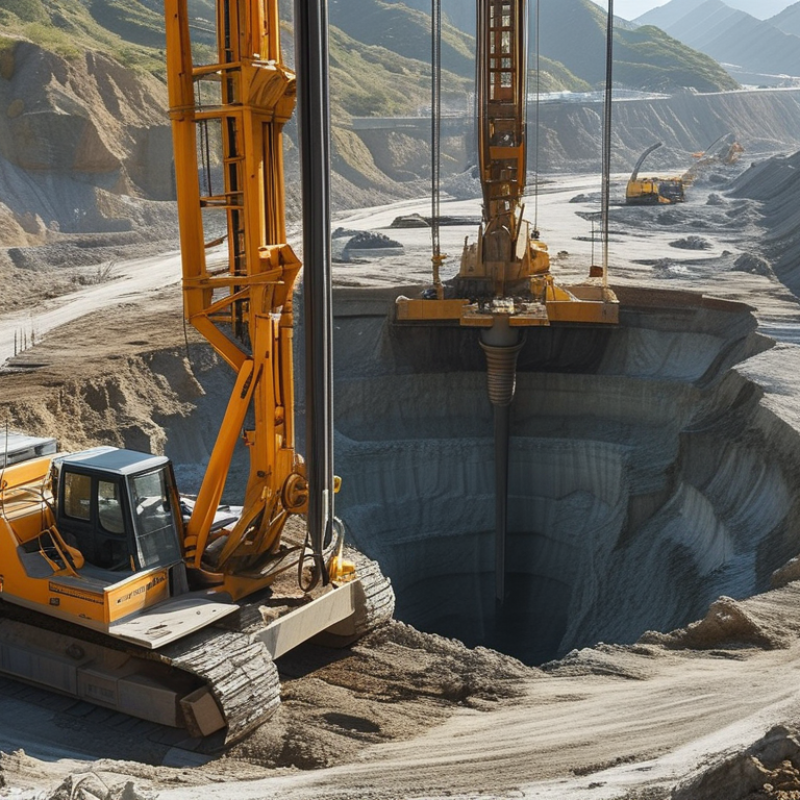
Hydraulic jacking piles are revolutionizing construction due to their superior load-bearing capacity. This method allows for precise adjustment of pile elevation, ensuring optimal support for structures. The enhanced load-bearing capacity enables buildings to withstand heavy loads, reducing the risk of settlement and structural failure. Engineers appreciate the flexibility hydraulic jacking provides when designing foundations, allowing for deeper and more stable piling.
Additionally, hydraulic jacking piles distribute load evenly across the foundation. This feature helps mitigate uneven settling, which is crucial in varying soil conditions. However, it’s important to note that the installation process requires careful planning and execution. Miscalculations in load distribution can lead to significant structural issues. Construction crews must be trained and knowledgeable about the intricacies of this method.
While hydraulic jacking piles are effective, challenges exist. Not all soil types are suitable for this method, and its effectiveness can vary. The cost of installation can also be higher than traditional methods. These factors necessitate a thorough analysis and understanding before implementation. Engaging with experienced professionals ensures that these challenges are addressed effectively.
Hydraulic jacking piles enhance construction efficiency significantly. This technique allows for precise pile installation, reducing the time spent on site. According to a report by the International Society for Soil Mechanics, hydraulic jacking can improve installation speed by up to 50% compared to traditional methods. This means quicker project completion and reduced labor costs.
Utilizing hydraulic jacking minimizes disturbances to the surrounding environment. Vibration and noise levels are much lower than in conventional piling methods. A study by the Construction Industry Institute shows that less than 15% of projects experience issues with nearby structures when using hydraulic jack technology. This aspect is crucial for urban construction projects where space is tight.
Tips: Always ensure proper training for operators. Well-trained personnel improve safety and effectiveness. Regular maintenance of equipment is vital too. Keeping hydraulic jacks in optimal condition ensures they perform reliably. Reflect on the potential environmental impact, even with improved methods. Continuous improvement is key for sustainable construction practices.
Hydraulic jacking piles have gained traction in modern construction. Their cost-effectiveness plays a vital role in project success. Estimates suggest that hydraulic jacking can reduce excavation costs by up to 30% compared to traditional methods. This is primarily due to minimized soil disruption and faster installation times.
Furthermore, hydraulic jacking piles require less equipment than conventional piling methods. This means fewer logistics costs and less need for heavy machinery on-site. According to a report from the American Society of Civil Engineers, using hydraulic jacking can lower labor costs by about 25%. These savings can significantly impact overall project budgets.
However, the method isn’t without challenges. Initial setup can be complex, leading to potential delays. Also, soil conditions can affect performance. It's crucial for engineers to conduct thorough soil analyses before proceeding. This ensures that the benefits outweigh the initial hurdles and leads to successful project execution.
Hydraulic jacking piles offer significant benefits in construction, particularly concerning environmental impact. Traditional piling methods can disrupt the soil and surrounding ecosystems. In contrast, hydraulic jacking offers a quieter, less invasive alternative. This method introduces minimal vibrations, reducing the risk of damage to nearby structures and vegetation. It’s an effective way to maintain the integrity of local environments during construction.
The installation process for hydraulic jacking piles typically requires less excavation. This means reduced soil disturbance, leading to lower erosion rates. Furthermore, it minimizes the risk of groundwater contamination from spilled materials. However, even with these advantages, site-specific challenges can arise. Each construction site has unique characteristics that might necessitate additional measures to ensure environmental safety. Proper planning is crucial. Balancing efficiency and environmental responsibility is key. While hydraulic jacking piles have a lot of benefits, ongoing evaluation and commitment to best practices are essential for long-term success.
Hydraulic jacking piles are increasingly popular in construction, particularly for their versatility across various soil conditions. They function effectively in challenging environments, where traditional methods may falter. These piles can be installed in everything from sandy soil to clay, offering stability in unpredictable terrain. The ability to adjust the piling process according to the soil type ensures that the structures built on them are secure.
In addition to their adaptability, hydraulic jacking piles minimize disruption to the surrounding area. This is crucial in urban environments where noise and vibration must be kept to a minimum. However, even with their advantages, there are challenges. For instance, improper installation can lead to misalignment or inadequate support. Engineers must be diligent to mitigate these risks. Each project requires careful consideration of soil analysis and pile design. The right approach significantly impacts long-term performance.
The technology behind hydraulic jacking is constantly evolving. New methods and equipment are being developed. This progress raises questions about the best practices for implementation. Understanding local soil conditions remains vital for achieving optimal results. Ultimately, while hydraulic jacking piles offer considerable benefits, a thorough assessment and skilled execution are essential for success.
„Thanks to the LUVIR technology, the solder resist process could be switched directly from the previously used mask exposure to direct exposure. As an outstanding digital solution on the market, this technology has been able to demonstrate fast process times and superior quality on our certified conventional ink in production. This allowed us to fully digitize the solder mask process at low cost – without process or ink adjustments. An excellent benefit to our production in Rot am See.“
Ralf Göhringer (Head of Production WE Rot am See)
I would definitely recommend the Limata machine and team for a future company purchase
Michael Greenaway
Compunetics Inc.
“The Limata ldi has been amazing!! Best thing we did was buy this machine”
Richard Brady
GM
Circuitlabs
“Since 2019, we have been running the Limata X1000 LDI system (including LUVIR for solder mask imaging) in daily production as an addition to our current process with film. The machine was capable of properly exposing Taiyo PSR-4000 BN (DI) solder mask types on normal to high-copper boards using a new and unique direct imaging process. The machine operating interface is very user friendly which allowed for a quick technical training curve. The pre-registration processing reduced several seconds of production time at every print. Limata support and service staff is incomparable. They supported our team every step of the way at basically any time of the day or night, with literally, an immediate response time, customizing the software interface to best fit our Operations and needs.
We have exposed more than 8,000 prints since end of October, on various solder mask colors and some resist film panels. Limata, has proven to be very capable and innovative. They are a strong contender in the industry.
We have very much enjoyed this project, and working with the team!
Thank you Limata for the continued support and being a part of our growth.”
Bill Sezate
Vice President, GM
Summit Interconnect
As a replacement to our current contact exposure process with film, the LIMATA X2000 system including LUVIR-Technology was capable of properly exposing non-LDI solder mask types using a direct imaging process. The machine offers cutting edge software with a very intuitive operating interface which allowed for quick technician training curve. The dual drawer system combined with pre-registration processing reduced several seconds of production time at every machine cycle. Limata support and service staff is world class. They added software patches to keep production running at shortest possible response times, customized the software interface to best fit our in-house Operations system, and even wrote a step-by-step machine processing manual. As a result of the project, we have exposed more than 16,000 times on various product types and solder mask brands/colors. Limata, in a very short timeframe as a company, has definitely shown they are truly innovative and will be challenging the industry of direct imaging for the top spot.
Kevin Beattie
Process Engineer
TTM Technologies
Forest Grove Division
