In today’s competitive manufacturing landscape, Ptfe 3d Printing has emerged as a game-changer for businesses. According to a report by MarketsandMarkets, the global adoption of 3D printing technologies is expected to grow at a CAGR of 23% through 2026. As companies seek efficient, cost-effective solutions, the specific benefits of PTFE 3D printing cannot be overlooked.
Experts highlight its unique properties, with Dr. Emily Carter, a leading voice in the field, stating, "PTFE 3D printing offers unparalleled chemical resistance and thermal stability." These characteristics make it ideal for applications in the aerospace, medical, and automotive industries. Despite these advantages, businesses must acknowledge that the technology is not without its challenges. For instance, the complexity of processing PTFE can lead to initial setup costs that deter some enterprises.
Businesses embracing PTFE 3D printing are learning to navigate its intricacies. They recognize that while this technology opens new avenues for innovation, it also requires a steadfast commitment to overcoming its barriers. Understanding these factors is critical to leveraging the full potential of PTFE 3D printing for strategic growth.
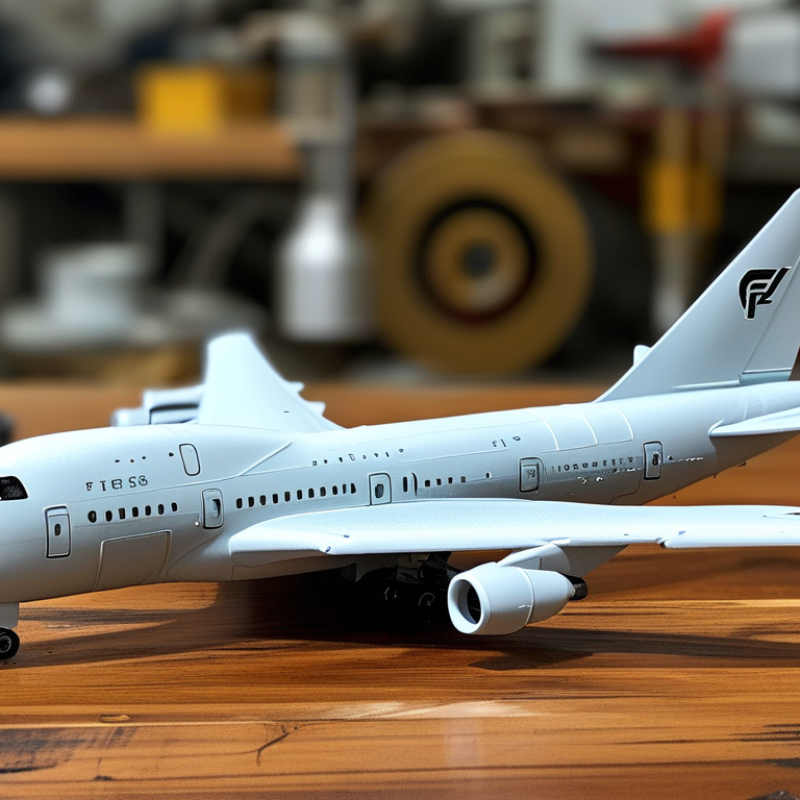
PTFE, or polytetrafluoroethylene, is a unique fluoropolymer with outstanding chemical resistance. Its applications in 3D printing are becoming increasingly popular in various industries. Reports indicate that the global 3D printing market is expected to reach $44.4 billion by 2026. PTFE's stability under extreme conditions makes it ideal for creating components used in aerospace, medical devices, and chemical processing.
In 3D printing, PTFE offers excellent wear resistance and low friction properties. This translates to longer-lasting parts that require less maintenance. According to a study published by the Journal of Materials Science, parts made with PTFE can withstand temperatures up to 260°C. While the benefits are clear, challenges remain.
PTFE can be difficult to print due to its non-stick properties, leading to adhesion issues. Proper tuning of printing parameters is crucial for successful outcomes. Moreover, PTFE parts often demand specialized post-processing techniques to achieve desired surface finishes. Companies need to evaluate their capacity for handling these complexities. Balancing production efficiency and part quality is essential.
As more businesses explore 3D printing with PTFE, understanding these nuances becomes critical for success. The industry is still evolving, and ongoing research is necessary to maximize the capabilities of PTFE in additive manufacturing.
PTFE, or polytetrafluoroethylene, is gaining attention in the industrial 3D printing landscape. Its unique properties make it a top choice for various applications. A study by SmarTech Analysis indicates that the demand for advanced materials in 3D printing will reach $25 billion by 2025. PTFE’s non-stick qualities reduce friction between moving parts. This leads to enhanced performance in mechanical applications.
Its chemical resistance is another significant advantage. PTFE can withstand harsh chemicals and extreme temperatures. This trait is crucial for industries like aerospace and pharmaceuticals. For example, reports show that parts made with PTFE last longer in challenging environments. However, achieving optimal printing conditions can be tricky. Many companies face challenges in maintaining consistent layer adhesion. Improper settings can result in weak structural integrity.
Another key benefit is its low moisture absorption. Parts printed with PTFE do not warp easily. This characteristic is particularly useful in precision applications. Yet, the learning curve for new users remains steep. Understanding the nuances of PTFE printing requires skilled operators. According to industry insights, training personnel is essential to fully exploit PTFE's capabilities. As businesses adopt PTFE in their processes, they may encounter both successes and challenges.
| Benefit | Description | Impact on Business |
|---|---|---|
| High Temperature Resistance | PTFE can withstand extreme temperatures without losing its structural integrity. | Enables production of components for high-temperature applications. |
| Chemical Resistance | Resistant to a wide range of chemicals, ensuring longevity and durability. | Reduces replacement costs and maintenance efforts. |
| Low Friction Properties | Minimizes friction between moving parts, enhancing efficiency. | Improves machine performance and energy savings. |
| Electrical Insulation | Excellent insulation properties protect against electrical current. | Enhances safety and reliability of electronic components. |
| Biocompatibility | Safe for use in medical applications without adverse reactions. | Broadens market opportunities in healthcare sectors. |
| Enhanced Print Quality | Produces smoother surfaces and finer details in printed parts. | Increases product appeal and functionality. |
| Versatile Applications | Suitable for various industries, from automotive to aerospace. | Expands potential client base across sectors. |
| Cost-Effective Production | Streamlined manufacturing process reduces the overall cost. | Improves profitability and competitive pricing. |
| Low Weight | Lightweight nature contributes to lower shipping and handling costs. | Enhances product design and functionality. |
| Recyclability | Sustainable material that can be recycled, reducing waste. | Aligns with eco-friendly business practices and regulations. |
PTFE 3D printing presents a cost-efficient solution for businesses seeking to optimize their production processes. According to a report by SmarTech Analysis, companies adopting 3D printing can witness a reduction in manufacturing costs by up to 30%. This efficiency stems from the materials used and the streamlined production times that PTFE technology offers. Traditional manufacturing methods often involve extensive labor and material waste. In contrast, PTFE's additive manufacturing process minimizes waste and maximizes utility.
The longevity and chemical resistance of PTFE also contribute to long-term savings. Research from Wohlers Associates highlights that PTFE parts can save companies over 25% in maintenance costs over time. This is crucial for industries like aerospace and automotive, where reliability is paramount. However, while PTFE technology reduces some costs, the initial investment can be significant. This requires a careful evaluation of financial implications. Not every business may see immediate returns, necessitating a tailored approach for each situation. Adjustments in operational strategies may be required to fully leverage PTFE’s capabilities.
PTFE, known for its exceptional durability and chemical resistance, offers significant advantages for 3D printing in business. Industries using PTFE report increased product longevity. A study from AMM (Additive Manufacturing Magazine) indicates that components made with PTFE last up to 30% longer than traditional materials, especially in harsh environments. This is crucial for sectors like aerospace and automotive, where reliability is non-negotiable.
Chemical resistance is another vital benefit. PTFE remains stable across a wide temperature range and is inert to most chemicals. According to a report by the International Journal of Plastics Technology, PTFE can withstand aggressive substances without degrading, making it ideal for manufacturing parts exposed to harsh chemicals. This quality not only extends the functional lifespan but also reduces maintenance costs associated with frequent replacements. Companies can invest in PTFE 3D printing, knowing it ensures reliable performance over time.
However, the adoption of PTFE can present some challenges. The higher initial costs and complex printing processes may deter some businesses. Moreover, fine-tuning printer settings to achieve optimal results requires expertise. Not all manufacturers may have the resources to invest in specialized training. These factors should be considered before fully committing to PTFE 3D printing as a long-term solution.
PTFE 3D printing unlocks unparalleled customization and design flexibility for businesses. This technology allows designers to create intricate shapes and geometries that traditional methods struggle to achieve. Imagine crafting parts that fit unique specifications, enhancing both functionality and aesthetics. The versatility of PTFE enables rapid prototyping, which accelerates the design process. However, achieving the perfect print requires a meticulous approach to settings and materials.
Incorporating PTFE into your projects can yield beneficial results. The capability to iterate designs quickly means businesses can test ideas without extensive lead times. Yet, this innovation comes with a learning curve. Teams need to be trained in managing the properties of PTFE for optimal results. A key challenge lies in ensuring adhesion and understanding temperature management during printing.
Additionally, the robust nature of PTFE allows for applications in harsh environments. It's resistant to chemicals and high temperatures, making it ideal for many industries. However, being too reliant on this material may limit exploratory approaches. Businesses must balance PTFE use with other materials to avoid over-specialization. Embracing this method offers exciting options, yet requires ongoing evaluation and adaptation.
„Thanks to the LUVIR technology, the solder resist process could be switched directly from the previously used mask exposure to direct exposure. As an outstanding digital solution on the market, this technology has been able to demonstrate fast process times and superior quality on our certified conventional ink in production. This allowed us to fully digitize the solder mask process at low cost – without process or ink adjustments. An excellent benefit to our production in Rot am See.“
Ralf Göhringer (Head of Production WE Rot am See)
I would definitely recommend the Limata machine and team for a future company purchase
Michael Greenaway
Compunetics Inc.
“The Limata ldi has been amazing!! Best thing we did was buy this machine”
Richard Brady
GM
Circuitlabs
“Since 2019, we have been running the Limata X1000 LDI system (including LUVIR for solder mask imaging) in daily production as an addition to our current process with film. The machine was capable of properly exposing Taiyo PSR-4000 BN (DI) solder mask types on normal to high-copper boards using a new and unique direct imaging process. The machine operating interface is very user friendly which allowed for a quick technical training curve. The pre-registration processing reduced several seconds of production time at every print. Limata support and service staff is incomparable. They supported our team every step of the way at basically any time of the day or night, with literally, an immediate response time, customizing the software interface to best fit our Operations and needs.
We have exposed more than 8,000 prints since end of October, on various solder mask colors and some resist film panels. Limata, has proven to be very capable and innovative. They are a strong contender in the industry.
We have very much enjoyed this project, and working with the team!
Thank you Limata for the continued support and being a part of our growth.”
Bill Sezate
Vice President, GM
Summit Interconnect
As a replacement to our current contact exposure process with film, the LIMATA X2000 system including LUVIR-Technology was capable of properly exposing non-LDI solder mask types using a direct imaging process. The machine offers cutting edge software with a very intuitive operating interface which allowed for quick technician training curve. The dual drawer system combined with pre-registration processing reduced several seconds of production time at every machine cycle. Limata support and service staff is world class. They added software patches to keep production running at shortest possible response times, customized the software interface to best fit our in-house Operations system, and even wrote a step-by-step machine processing manual. As a result of the project, we have exposed more than 16,000 times on various product types and solder mask brands/colors. Limata, in a very short timeframe as a company, has definitely shown they are truly innovative and will be challenging the industry of direct imaging for the top spot.
Kevin Beattie
Process Engineer
TTM Technologies
Forest Grove Division
