In today's market, selecting the right Aluminum Sliding Door Profile is crucial for both aesthetics and functionality. Buyers face a myriad of choices, and navigating this can be challenging. An ideal profile should balance strength, style, and ease of installation. But this balance is not always easy to achieve.
Research indicates that many buyers overlook the importance of material quality and design specifications. This often leads to regrets after installation. High-quality aluminum profiles offer durability and resistance to weather, making them a smart investment. However, not all profiles meet these standards. It is vital to understand the nuances of different products before making a decision.
Engaging with reputable suppliers is essential. They can guide you through variations and help you select the best options for your needs. Although the search may feel daunting, it is essential to take the time to explore and compare. By doing so, you can find an Aluminum Sliding Door Profile that enhances your space while ensuring long-term satisfaction. This journey might involve some trial and error, but it will ultimately lead to a successful selection.
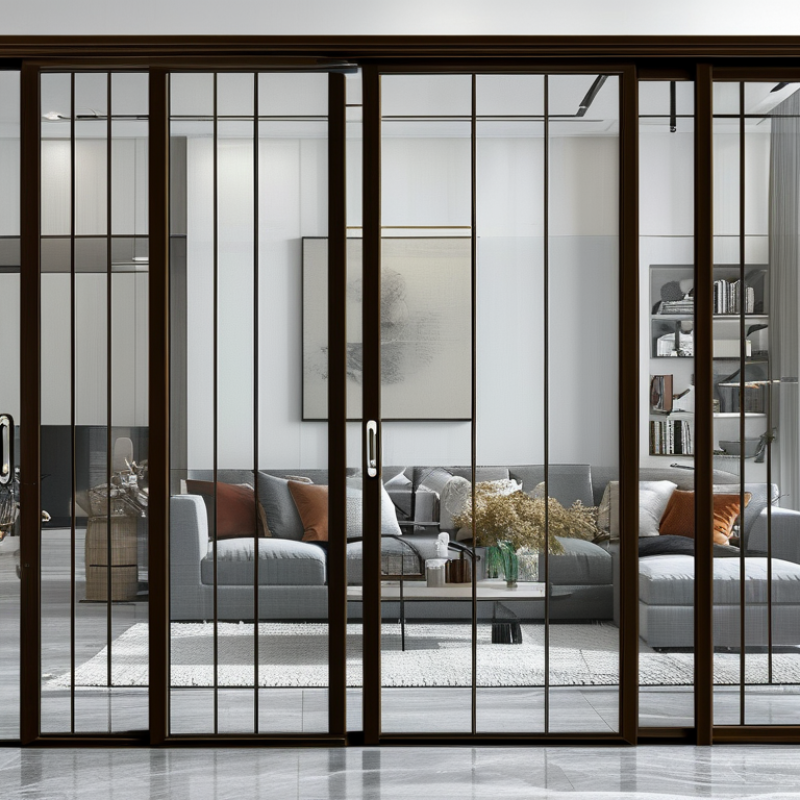
When selecting aluminum alloys for sliding doors, durability and performance are paramount. The compositions often used include 6061 and 6063 alloys. These are popular due to their excellent corrosion resistance and strength. The right alloy can significantly increase the lifespan of a sliding door, making it a wise investment.
However, there are challenges in choosing the best alloys. Some alloys may be too brittle, leading to issues over time. Buyers need to carefully assess their climate conditions. In coastal areas, for example, higher resistance to saltwater corrosion is crucial. This requires research and understanding of local environmental factors.
It's also important to consider manufacturing processes. Different fabrication techniques can affect the performance of aluminum profiles. Welding, for instance, may weaken certain alloys. Buyers often overlook this detail, which can lead to unexpected problems. Emphasizing precision and quality in the manufacturing stage is essential.
When choosing aluminum sliding door profiles, key design features significantly influence functionality. For optimal performance, consider elements such as thermal insulation, structural integrity, and aesthetic appeal. Reports indicate that well-insulated profiles can reduce energy costs by up to 40%. This statistic highlights the importance of material selection and design in energy efficiency.
Aluminum sliding doors should also integrate robust locking mechanisms. Effective security features are critical; around 70% of homeowners prioritize them. They provide peace of mind and add value to the property. Innovations in glazing further enhance energy performance. Double-glazed systems can reduce noise pollution, increasing comfort and privacy in residential and commercial settings.
Not all designs are flawless, though. Some profiles may lack adequate drainage systems, leading to water buildup. This issue can compromise both longevity and performance. Regular maintenance is essential to address these concerns. Buyers must recognize that aesthetic choices impact functionality. For example, larger glass panes may reduce frame strength. Balancing aesthetics with practicality is often a challenge for designers and consumers alike.
The market for aluminum sliding door profiles has evolved significantly in 2022-2023. Current trends reveal a growing preference for energy-efficient designs. Buyers are increasingly seeking profiles that offer thermal insulation and sound reduction. The demand for sustainable materials has also risen. Modern consumers prioritize environmentally friendly options.
Many manufacturers are adapting their designs to meet these needs. This shift showcases a commitment to innovation and sustainability. However, challenges remain. Some products fail to balance aesthetics with functionality. Furthermore, the competition in this field is fierce. This makes it crucial for suppliers to remain informed about market demands.
Industry reports indicate that durability and low maintenance are key factors for buyers. Professionals in the field are urged to focus on these attributes. While some profiles exceed expectations, others do not meet quality standards. This inconsistency prompts critical reflection on manufacturing processes. Enhanced quality control measures could improve reliability and strengthen brand reputation.
When comparing aluminum sliding door profiles from global manufacturers, cost and quality are crucial factors. Many buyers seek profiles that offer durability while not overspending. The market is filled with options, yet each offers its own trade-offs. Some manufacturers prioritize lower costs, often sacrificing quality in materials and craftsmanship. This can lead to doors that do not last.
Quality profiles tend to use thicker materials and advanced hardware, increasing overall performance. However, these profiles usually come at a higher price. Buyers must assess their specific needs carefully. It is essential to consider factors like weather resistance and the frequency of use.
Choosing a profile is a balance between budget and quality. Many buyers may find themselves stuck in analysis paralysis, overwhelmed by the options. Assessing professional reviews and user testimonials can help clarify choices. Remember, investing in quality can lead to long-term satisfaction and savings. Yet, overlooking the price could strain budgets unnecessarily. Finding a balance is the key to making a wise decision.
| Profile Type | Cost per Unit (USD) | Quality Rating (1-5) | Weight (kg/m) | Thermal Performance (U-value) |
|---|---|---|---|---|
| Standard Profile | 75 | 4 | 2.5 | 2.0 |
| High-Performance Profile | 150 | 5 | 3.0 | 1.5 |
| Economy Profile | 50 | 3 | 2.0 | 2.5 |
| Luxury Profile | 250 | 5 | 4.0 | 1.2 |
| Mid-Range Profile | 100 | 4 | 2.8 | 1.8 |
The demand for aluminum sliding door profiles continues to grow, driven by sustainability considerations. Eco-friendly practices in production are essential for meeting client expectations. Sustainable manufacturing methods reduce environmental impact and promote resource efficiency.
Using recycled aluminum is a key factor. It requires less energy compared to extracting new aluminum. This process minimizes greenhouse gas emissions. Many manufacturers adopt energy-efficient systems to lower their carbon footprint. Innovations in technology help enhance recycling rates and decrease waste.
It's important to assess the entire supply chain. Transparency is crucial. Are materials sourced responsibly? Are labor practices ethical? Consumers often overlook these details. They play a vital role in sustainability. Responsible manufacturers should prioritize not just profit but also environmental wellbeing. As the industry evolves, more companies need to adopt these practices to truly champion eco-friendliness. It's a process that requires constant reflection and improvement.
„Thanks to the LUVIR technology, the solder resist process could be switched directly from the previously used mask exposure to direct exposure. As an outstanding digital solution on the market, this technology has been able to demonstrate fast process times and superior quality on our certified conventional ink in production. This allowed us to fully digitize the solder mask process at low cost – without process or ink adjustments. An excellent benefit to our production in Rot am See.“
Ralf Göhringer (Head of Production WE Rot am See)
I would definitely recommend the Limata machine and team for a future company purchase
Michael Greenaway
Compunetics Inc.
“The Limata ldi has been amazing!! Best thing we did was buy this machine”
Richard Brady
GM
Circuitlabs
“Since 2019, we have been running the Limata X1000 LDI system (including LUVIR for solder mask imaging) in daily production as an addition to our current process with film. The machine was capable of properly exposing Taiyo PSR-4000 BN (DI) solder mask types on normal to high-copper boards using a new and unique direct imaging process. The machine operating interface is very user friendly which allowed for a quick technical training curve. The pre-registration processing reduced several seconds of production time at every print. Limata support and service staff is incomparable. They supported our team every step of the way at basically any time of the day or night, with literally, an immediate response time, customizing the software interface to best fit our Operations and needs.
We have exposed more than 8,000 prints since end of October, on various solder mask colors and some resist film panels. Limata, has proven to be very capable and innovative. They are a strong contender in the industry.
We have very much enjoyed this project, and working with the team!
Thank you Limata for the continued support and being a part of our growth.”
Bill Sezate
Vice President, GM
Summit Interconnect
As a replacement to our current contact exposure process with film, the LIMATA X2000 system including LUVIR-Technology was capable of properly exposing non-LDI solder mask types using a direct imaging process. The machine offers cutting edge software with a very intuitive operating interface which allowed for quick technician training curve. The dual drawer system combined with pre-registration processing reduced several seconds of production time at every machine cycle. Limata support and service staff is world class. They added software patches to keep production running at shortest possible response times, customized the software interface to best fit our in-house Operations system, and even wrote a step-by-step machine processing manual. As a result of the project, we have exposed more than 16,000 times on various product types and solder mask brands/colors. Limata, in a very short timeframe as a company, has definitely shown they are truly innovative and will be challenging the industry of direct imaging for the top spot.
Kevin Beattie
Process Engineer
TTM Technologies
Forest Grove Division
