In today's competitive manufacturing landscape, choosing the right Coating Machine can elevate production efficiency. An effective coating machine not only enhances product quality but also streamlines operational processes. Different industries, from automotive to electronics, demand specific features to meet their unique coating needs.
Quality control is paramount. A reliable coating machine should provide uniform application while minimizing waste. Manufacturers often grapple with issues like inconsistent coatings or long downtimes. These setbacks can hamper overall productivity and profitability. It's essential to weigh the pros and cons of various technologies available in the market.
Engaging with industry experts can provide valuable insights. Their experience can guide you in making informed decisions. It's not just about choosing a machine; it's about finding a partner that understands your production goals. Ultimately, the right coating machine emerges as a key asset, driving both quality and efficiency.
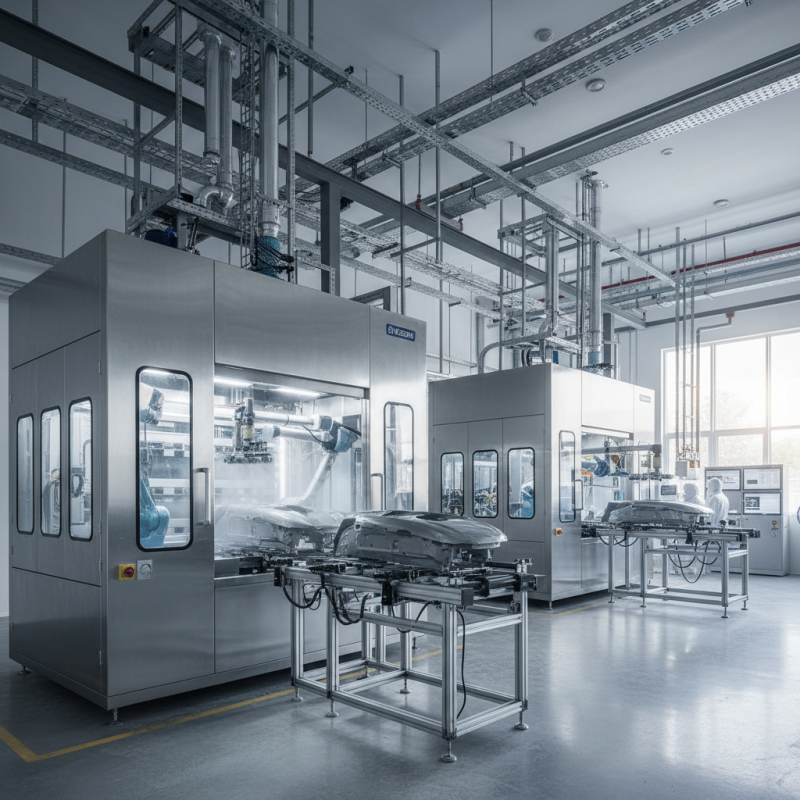
Coating machines play a crucial role in various manufacturing processes. They apply a protective or functional layer to products, improving durability and aesthetics. These machines can handle different materials and substrates, enhancing the efficiency of production lines. Their ability to deliver precise coatings ensures high-quality results. In industries ranging from electronics to food packaging, coating machines are vital for maintaining product integrity.
The importance of these machines cannot be overstated. A well-functioning coating machine minimizes waste and downtime. However, not all machines operate flawlessly. Some may struggle with consistency, leading to variations in quality. Regular maintenance and calibration are necessary to ensure optimal performance. Companies must evaluate their coating machines critically, identifying areas for improvement. Investing in training for operators can also enhance machine reliability.
Understanding the specific needs of production lines is essential. Each coating application may require different technology or configuration. Some machines are better suited for high-speed operations, while others excel in precision tasks. The choice of the correct machine can make a significant difference in overall production efficiency. Therefore, it is vital to assess which type aligns best with your operational goals.
The efficiency and quality of coating machines hinge on several critical factors. Machine design significantly influences how products are coated. Advanced systems utilize precision technology to ensure uniform coverage across various surfaces. According to a report from the Coating Society, machines that integrate advanced sensors can enhance production efficiency by up to 30%.
Proper maintenance routines are essential. Regular inspection of parts leads to fewer breakdowns and consistent performance. Companies often overlook this aspect, which can hamper productivity. Research indicates that up to 25% of coating issues stem from equipment neglect. Regularly scheduled checks can increase machine longevity and output quality significantly.
Tips: Always train staff on machine operation. Knowledgeable operators spot issues early. Optimize coating viscosity; this ensures uniform application. Adjusting viscosity can reduce waste and improve coating quality. Monitoring environmental factors, such as humidity and temperature, is crucial. These elements can greatly affect drying times and overall finish. Quality control measures should not be an afterthought; they are vital to producing superior coatings.
Coating machines are crucial in modern manufacturing. They enhance product quality and efficiency. Various types cater to different industries. Each type brings unique advantages and challenges.
Spray coating machines are widely used. They deliver a uniform layer of coating on surfaces. Studies show that they improve production rates by 30%. However, overspray can lead to material waste. Liquid coating systems, another popular type, allow for better control of thickness. This precision minimizes errors in production. Yet, they often require extensive cleanup and maintenance.
Electrostatic coating technologies have gained traction. They use electrical forces to attract coating materials. Reports indicate they can reduce coating material usage by up to 50%. Nevertheless, initial setup costs can be high. Each type of machine has its imperfections. Understanding these can help manufacturers make informed choices about their production processes.
In the quest for enhanced production efficiency in coating processes, a comparative analysis of the best coating machines reveals significant insights. A recent industry report indicates that automated coating systems can improve operational efficiency by up to 30%. These machines minimize material waste and reduce the need for manual oversight. Understanding their specific capabilities is crucial for making informed decisions.
Choosing the right coating machine depends on production needs. Some machines excel in uniformity, while others prioritize speed. The versatility of adjustments can significantly impact the final product's quality. It’s important to regularly assess these capabilities in real-world settings to identify any gaps. For instance, an inconsistency in finish quality might indicate the need for machine recalibration or operator retraining.
Tip: Regular maintenance is essential for optimal performance. Schedule preventative checks to catch issues early. Also, involve production staff in machinery assessments. Their daily interactions offer valuable insights into operations. Additionally, consider feedback loops to continuously improve both machine settings and outcomes. Identifying small flaws early can save costs later.
Maximizing coating production efficiency is crucial in today's competitive market. Optimal machine settings play a vital role in this process. Industry reports indicate that proper calibration can improve efficiency by up to 30%. This means careful adjustment of parameters such as speed and pressure can lead to significant gains.
Training operators is equally important. A well-trained workforce can identify and solve problems quickly. According to a study by the Coating Industry Association, companies that invest in training experience 25% less downtime. It’s essential to foster a culture of continuous learning and improvement.
However, not all practices yield expected results. For instance, over-reliance on automated systems without regular checks can lead to inconsistencies. Regular audits and feedback loops are necessary to ensure that all processes align with production goals. Addressing these shortcomings can enhance overall production quality. Crafting a strategic plan that adapts to real-time challenges can be the key to sustained efficiency.
„Thanks to the LUVIR technology, the solder resist process could be switched directly from the previously used mask exposure to direct exposure. As an outstanding digital solution on the market, this technology has been able to demonstrate fast process times and superior quality on our certified conventional ink in production. This allowed us to fully digitize the solder mask process at low cost – without process or ink adjustments. An excellent benefit to our production in Rot am See.“
Ralf Göhringer (Head of Production WE Rot am See)
I would definitely recommend the Limata machine and team for a future company purchase
Michael Greenaway
Compunetics Inc.
“The Limata ldi has been amazing!! Best thing we did was buy this machine”
Richard Brady
GM
Circuitlabs
“Since 2019, we have been running the Limata X1000 LDI system (including LUVIR for solder mask imaging) in daily production as an addition to our current process with film. The machine was capable of properly exposing Taiyo PSR-4000 BN (DI) solder mask types on normal to high-copper boards using a new and unique direct imaging process. The machine operating interface is very user friendly which allowed for a quick technical training curve. The pre-registration processing reduced several seconds of production time at every print. Limata support and service staff is incomparable. They supported our team every step of the way at basically any time of the day or night, with literally, an immediate response time, customizing the software interface to best fit our Operations and needs.
We have exposed more than 8,000 prints since end of October, on various solder mask colors and some resist film panels. Limata, has proven to be very capable and innovative. They are a strong contender in the industry.
We have very much enjoyed this project, and working with the team!
Thank you Limata for the continued support and being a part of our growth.”
Bill Sezate
Vice President, GM
Summit Interconnect
As a replacement to our current contact exposure process with film, the LIMATA X2000 system including LUVIR-Technology was capable of properly exposing non-LDI solder mask types using a direct imaging process. The machine offers cutting edge software with a very intuitive operating interface which allowed for quick technician training curve. The dual drawer system combined with pre-registration processing reduced several seconds of production time at every machine cycle. Limata support and service staff is world class. They added software patches to keep production running at shortest possible response times, customized the software interface to best fit our in-house Operations system, and even wrote a step-by-step machine processing manual. As a result of the project, we have exposed more than 16,000 times on various product types and solder mask brands/colors. Limata, in a very short timeframe as a company, has definitely shown they are truly innovative and will be challenging the industry of direct imaging for the top spot.
Kevin Beattie
Process Engineer
TTM Technologies
Forest Grove Division
