In recent years, the demand for efficient waste management solutions has surged. Among these solutions, the Continuous Pyrolysis plant stands out. Industry expert Dr. Emily Carter, a leading figure in pyrolysis technology, states, “The right Continuous Pyrolysis plant can transform waste into valuable resources sustainably.” This perspective highlights the significance of selecting the best plant for global buyers.
As businesses aim to reduce waste and adhere to environmental standards, Continuous Pyrolysis plants offer a reliable method to innovate waste processing. These systems are designed to convert organic materials into bio-oil, charcoal, and gas. However, not all technology is created equal. Buyers must consider factors such as capacity, energy efficiency, and the technology's track record.
While many companies market their products as superior, the reality is more complex. Potential buyers should thoroughly research reviews and seek expert advice. Investing in the wrong Continuous Pyrolysis plant can lead to operational challenges and unmet expectations. Therefore, making an informed decision is critical to harnessing the full potential of this technology.
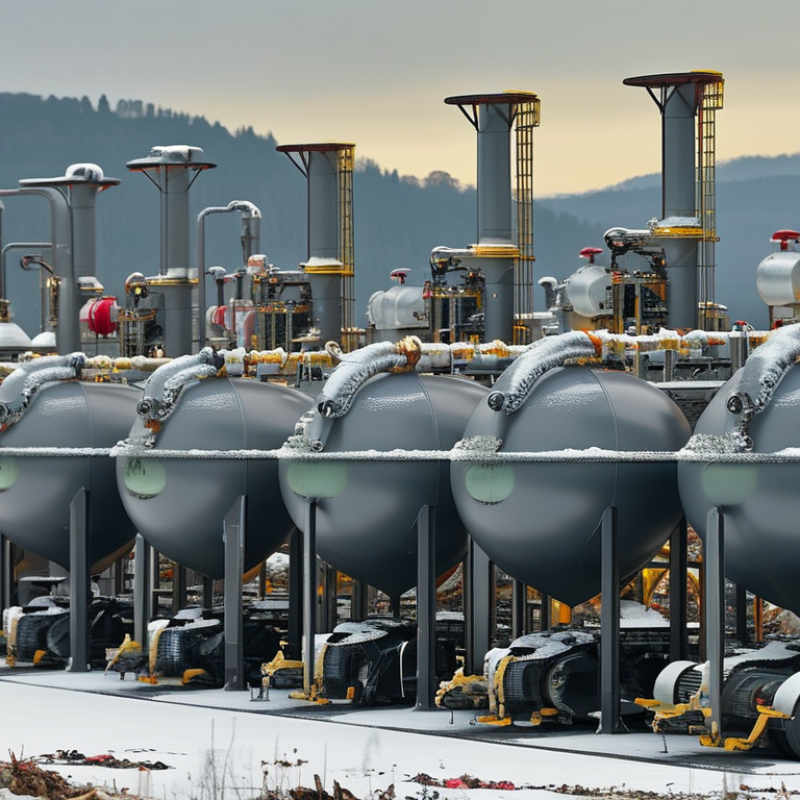
When considering the best continuous pyrolysis plant for global buyers, specific features set ideal plants apart. A well-designed system maximizes efficiency, ensuring consistent output. Research indicates that efficiency rates in modern plants can reach up to 90%. This means higher yield and lower energy consumption, aligning with sustainability goals. Advanced technology also enhances safety, reducing the likelihood of accidents.
The ideal continuous pyrolysis plant should offer versatility in feedstock. A study from the International Energy Agency highlights that plants utilizing a range of materials can significantly improve profitability. For instance, plants that handle both organic and plastic waste are increasingly favored due to rising waste generation. It's essential to consider user-friendly interfaces, allowing operators to monitor processes easily.
Moreover, maintenance accessibility is crucial. Frequent maintenance can lead to downtime, affecting profitability. Effective designs allow for easier access to components without extensive disassembly. User feedback suggests that plants with intuitive controls and durable construction yield better operational experiences. Continuous improvement is vital in this evolving industry, and buyers must reflect on the adaptability of their chosen technology.
When selecting a continuous pyrolysis plant, several critical factors come into play. The quality of feedstock is essential. Different plastics and biomass yield varying results in energy and byproduct quality. According to a recent industry report, using homogeneous feedstock can lead to a 30% increase in bio-oil yield and better overall efficiency.
Another crucial consideration is the technology employed in the pyrolysis process. Advanced systems utilize modular design and continuous operation, which significantly enhances productivity. Data suggests that modern equipment can achieve temperatures exceeding 500°C, ensuring optimal breakdown of materials. Efficiency metrics show that plants employing these technologies report a reduction in operational costs by up to 40%.
Furthermore, the geographical location of the facility influences logistics and operational costs. Proximity to supply sources lowers transportation expenses. A study highlighted that plants situated near urban centers can achieve a 20% higher rate of feedstock acquisition. Comprehensive assessment of local regulations and community acceptance is also necessary. Each of these factors must be weighed carefully as buyers navigate their choices in pyrolysis equipment.
The demand for continuous pyrolysis plants is growing globally. Various manufacturers are stepping up to meet this need. Many countries now have access to advanced technologies that enhance waste-to-energy processes. These systems can efficiently convert materials like plastic and rubber into fuel.
When exploring top manufacturers, it's vital to consider their experience and reputation. Many facilities provide detailed specifications, showing how their plants outdo others in efficiency and output. Some designs focus on reducing emissions. This is crucial, given today's environmental concerns. Yet, not all manufacturers are equal. Some might overstate their capabilities. A careful review of customer feedback can offer meaningful insights.
Technological innovation plays a key role in the success of these manufacturers. Many plants now feature automated systems for better operations. However, potential buyers should remain critical. Each plant's performance can vary based on location and input materials. This calls for thorough research. Understanding local regulations and energy needs is also essential.
| Manufacturer | Processing Capacity (Tons/Day) | Energy Recovery (%) | Emissions Control | Installation Time (Months) |
|---|---|---|---|---|
| Manufacturer A | 20 | 85% | Advanced | 6 |
| Manufacturer B | 15 | 80% | Moderate | 5 |
| Manufacturer C | 30 | 90% | High | 7 |
| Manufacturer D | 25 | 75% | Standard | 4 |
| Manufacturer E | 10 | 70% | Basic | 3 |
The operational costs of a Continuous Pyrolysis plant can significantly impact its overall profitability. Various studies suggest that the average investment for setting up a pyrolysis facility ranges from $1 million to $5 million, depending on the scale and technology used. This does not account for land acquisition and regulatory expenses. Operational costs, including labor, maintenance, and energy, are critical for assessing project viability. Energy costs can represent up to 30% of overall operational expenses, making energy efficiency a key area for improvement.
Regular maintenance is paramount for optimizing machine performance and minimizing downtime. One study indicated that neglecting maintenance can lead to a 15% increase in operational costs. Additionally, skilled labor is essential, yet it can be scarce in some regions. This gap can lead to higher labor costs, affecting the overall budget. Continuous training for workers can mitigate some of these challenges.
**Tip:** When evaluating a Continuous Pyrolysis plant, focus on energy consumption and labor costs. Seek facilities that prioritize efficiency. Conduct a detailed financial analysis to understand the true cost implications. Engaging with consultants can provide valuable insights tailored to specific regional challenges.
The environmental impact of pyrolysis technology is significant. Continuous pyrolysis plants convert waste materials into valuable products. However, their operations can influence surrounding ecosystems. Properly implemented, these plants can reduce landfill waste and greenhouse gas emissions. Yet, improper management may lead to air and water pollution.
Sustainability considerations are crucial for global buyers. The choice of feedstock can greatly affect emissions. Using organic waste is beneficial, but not all waste is created equal. It's important to assess the lifecycle environmental impact of materials used in pyrolysis. This requires transparency and responsible sourcing.
Monitoring and regulation are essential for ensuring that these plants operate sustainably. Buyers must hold producers accountable. Engaging with community stakeholders can foster trust and support. Ultimately, while continuous pyrolysis has potential, diligent effort is needed to minimize negative impacts.
„Thanks to the LUVIR technology, the solder resist process could be switched directly from the previously used mask exposure to direct exposure. As an outstanding digital solution on the market, this technology has been able to demonstrate fast process times and superior quality on our certified conventional ink in production. This allowed us to fully digitize the solder mask process at low cost – without process or ink adjustments. An excellent benefit to our production in Rot am See.“
Ralf Göhringer (Head of Production WE Rot am See)
I would definitely recommend the Limata machine and team for a future company purchase
Michael Greenaway
Compunetics Inc.
“The Limata ldi has been amazing!! Best thing we did was buy this machine”
Richard Brady
GM
Circuitlabs
“Since 2019, we have been running the Limata X1000 LDI system (including LUVIR for solder mask imaging) in daily production as an addition to our current process with film. The machine was capable of properly exposing Taiyo PSR-4000 BN (DI) solder mask types on normal to high-copper boards using a new and unique direct imaging process. The machine operating interface is very user friendly which allowed for a quick technical training curve. The pre-registration processing reduced several seconds of production time at every print. Limata support and service staff is incomparable. They supported our team every step of the way at basically any time of the day or night, with literally, an immediate response time, customizing the software interface to best fit our Operations and needs.
We have exposed more than 8,000 prints since end of October, on various solder mask colors and some resist film panels. Limata, has proven to be very capable and innovative. They are a strong contender in the industry.
We have very much enjoyed this project, and working with the team!
Thank you Limata for the continued support and being a part of our growth.”
Bill Sezate
Vice President, GM
Summit Interconnect
As a replacement to our current contact exposure process with film, the LIMATA X2000 system including LUVIR-Technology was capable of properly exposing non-LDI solder mask types using a direct imaging process. The machine offers cutting edge software with a very intuitive operating interface which allowed for quick technician training curve. The dual drawer system combined with pre-registration processing reduced several seconds of production time at every machine cycle. Limata support and service staff is world class. They added software patches to keep production running at shortest possible response times, customized the software interface to best fit our in-house Operations system, and even wrote a step-by-step machine processing manual. As a result of the project, we have exposed more than 16,000 times on various product types and solder mask brands/colors. Limata, in a very short timeframe as a company, has definitely shown they are truly innovative and will be challenging the industry of direct imaging for the top spot.
Kevin Beattie
Process Engineer
TTM Technologies
Forest Grove Division
