In the world of plumbing, efficiency and precision are key. This is where the Drain Camera comes into play. Designed for pipeline inspection, a Drain Camera can reveal hidden issues within your plumbing system. These cameras are compact and feature advanced technology. They offer a clear view of blockages, cracks, or corrosion in pipes.
Using a Drain Camera can save time and money on maintenance. Traditional methods often lead to guesswork and unnecessary digging. With a camera, plumbers can quickly identify problems, leading to effective solutions. However, not all Drain Cameras are created equal. Some may lack the necessary features or clarity. When selecting a Drain Camera, consider factors like image quality, cable length, and durability.
Investing in the right Drain Camera can significantly improve your inspection and maintenance processes. Yet it’s essential to understand your specific needs. Not every option on the market will meet your requirements effectively. Reflecting on personal experiences can guide you in making the best choice.
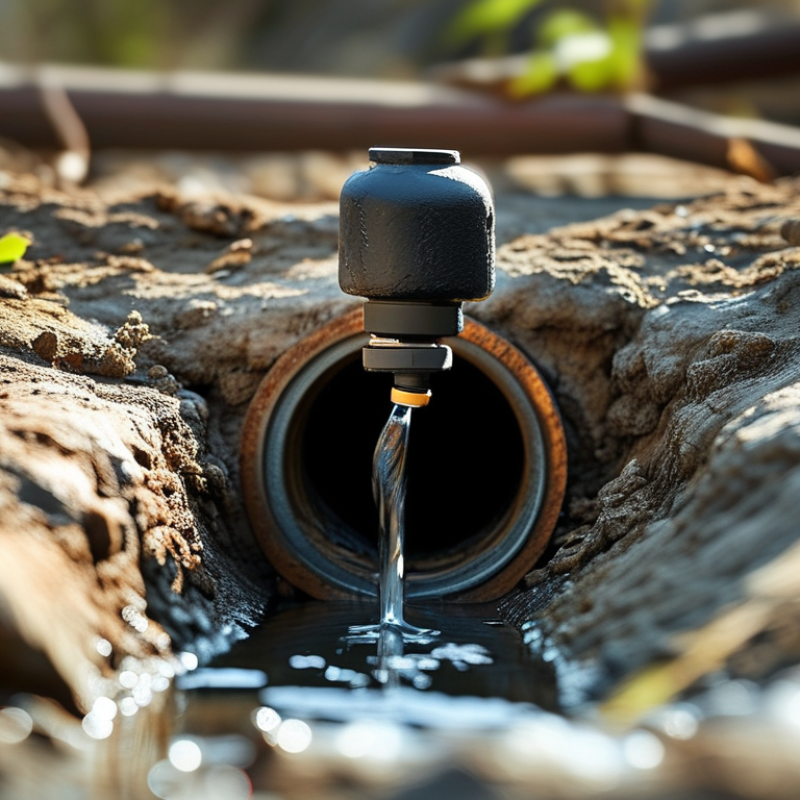
When selecting a drain camera for pipeline inspection, several key factors come into play. First, consider the camera's resolution. A high-resolution image helps in identifying blockages or damage more clearly. A clear view is critical for effective diagnosis. Look for cameras that can deliver at least 1080p resolution. This clarity can save time and money during maintenance.
Another important aspect is the camera's flexibility and size. A compact design allows for easy navigation through tight spaces. Ensure the camera can handle various pipe diameters. Cameras with adjustable lighting are beneficial too. They can illuminate dark areas, making it easier to spot issues.
Durability is essential as well. Drain cameras often encounter harsh conditions. Look for models that resist water and corrosion. Feedback from experienced professionals highlights the importance of build quality. Unfortunately, some models fail under tough conditions.
Thus, researching user reviews is valuable. They can reveal the reliability of a camera in real-world situations, guiding your decision. A well-informed choice will lead to better maintenance outcomes.
When selecting a drain camera for pipeline inspection, it's crucial to recognize the various types available. The most common types include push cameras, crawling cameras, and handheld inspection cameras. Each serves distinct purposes and environments.
Push cameras are designed for smaller pipes. They are lightweight and easy to maneuver. Users can push the camera into the pipeline to capture images. This approach allows for quick inspections but has limitations in navigating bends. Crawling cameras, on the other hand, are robust. They can travel longer distances and navigate around obstacles. These cameras often come with tracks and can provide detailed video footage, making them ideal for larger pipelines.
Handheld inspection cameras are user-friendly. They offer portability and ease of use. These cameras are beneficial for quick assessments and smaller areas. However, they may lack the depth of detail and distance coverage provided by larger systems. Each type has its strengths and weaknesses. It’s essential to match the camera type with specific inspection needs for effective outcomes. Understanding these differences can significantly enhance maintenance efforts.
| Camera Type | Resolution | Diameter | Cable Length | Waterproof Rating |
|---|---|---|---|---|
| Push Camera | 720p | 1.5 cm | 30 m | IP68 |
| Reel Camera | 1080p | 2.0 cm | 100 m | IP67 |
| Flexible Snake Camera | 640x480 | 1.0 cm | 20 m | IP65 |
| Self-leveling Camera | 1080p HD | 2.5 cm | 50 m | IP68 |
| Drone Camera | 4K | Variable | Unlimited | IPX5 |
When selecting a drain camera for pipeline inspection, several key features stand out. High image resolution is crucial. A camera that offers at least 1080p resolution provides clear visuals. This clarity helps identify cracks, blockages, and other issues. Industry reports show that 70% of professionals prefer HD quality for efficient diagnostics.
Another important feature is the camera's flexibility. A cable with a length of 100 feet or more is beneficial. It allows for thorough inspections in extensive pipeline systems. Additionally, cameras with adjustable lighting improve visibility in dark or murky conditions. Research indicates that improper lighting can lead to a 30% increase in missed issues during inspections.
Durability matters too. Cameras designed to resist water and harsh conditions perform better. A camera’s casing should withstand significant wear and tear. Professionals report that reliability enhances the overall efficiency of maintenance operations. Moreover, a user-friendly interface is vital. Easy navigation and direct access to recorded footage streamline the inspection process. This accessibility can significantly reduce labor costs and time spent on repairs.
When inspecting pipelines, choosing the right drain camera is vital. Professional studies show that using high-quality cameras can increase inspection accuracy by up to 70%. This accuracy helps in identifying issues early and avoiding costly repairs later.
In 2023, several top brands have emerged in the drain camera market, praised for their reliability and performance. Many models now feature high-definition imaging, allowing for clearer visuals. Some cameras are equipped with advanced sensors, enhancing their ability to detect leaks and blockages. User feedback often highlights the importance of sturdy, waterproof designs, which withstand harsh conditions.
However, not all cameras meet expectations. Some users report challenges with battery life and software integration. Choosing a camera that balances features and usability can be tough. Prospective buyers should prioritize cameras that offer proven durability and ease of use. Valuable insights often come from user reviews and industry reports, emphasizing the need for thorough research before making a purchase.
Using drain cameras for pipeline inspection can significantly improve maintenance efforts. It's important to follow best practices to maximize their effectiveness. Before beginning, check the camera’s battery and ensure proper functionality. A pre-inspection checklist can save you time and headaches later.
During the inspection, move the camera slowly through the pipe. Rapid movements might miss crucial details. If you spot a blockage, pause for a closer look. It’s okay to review the footage multiple times. Patience can reveal hidden issues. Bright lighting is essential, but ensure it doesn’t create glare that hampers visibility.
After collecting the footage, analyze it thoroughly. Taking notes can help identify consistent problems. Remember, no camera can catch everything. Sometimes, manual inspection may be necessary. Accepting this limitation allows for more strategic maintenance planning. Stay adaptable and ready to refine your inspection techniques as needed.
This chart represents the key features of various drain cameras used for pipeline inspection and maintenance. The features are rated based on their importance in effective inspections.
„Thanks to the LUVIR technology, the solder resist process could be switched directly from the previously used mask exposure to direct exposure. As an outstanding digital solution on the market, this technology has been able to demonstrate fast process times and superior quality on our certified conventional ink in production. This allowed us to fully digitize the solder mask process at low cost – without process or ink adjustments. An excellent benefit to our production in Rot am See.“
Ralf Göhringer (Head of Production WE Rot am See)
I would definitely recommend the Limata machine and team for a future company purchase
Michael Greenaway
Compunetics Inc.
“The Limata ldi has been amazing!! Best thing we did was buy this machine”
Richard Brady
GM
Circuitlabs
“Since 2019, we have been running the Limata X1000 LDI system (including LUVIR for solder mask imaging) in daily production as an addition to our current process with film. The machine was capable of properly exposing Taiyo PSR-4000 BN (DI) solder mask types on normal to high-copper boards using a new and unique direct imaging process. The machine operating interface is very user friendly which allowed for a quick technical training curve. The pre-registration processing reduced several seconds of production time at every print. Limata support and service staff is incomparable. They supported our team every step of the way at basically any time of the day or night, with literally, an immediate response time, customizing the software interface to best fit our Operations and needs.
We have exposed more than 8,000 prints since end of October, on various solder mask colors and some resist film panels. Limata, has proven to be very capable and innovative. They are a strong contender in the industry.
We have very much enjoyed this project, and working with the team!
Thank you Limata for the continued support and being a part of our growth.”
Bill Sezate
Vice President, GM
Summit Interconnect
As a replacement to our current contact exposure process with film, the LIMATA X2000 system including LUVIR-Technology was capable of properly exposing non-LDI solder mask types using a direct imaging process. The machine offers cutting edge software with a very intuitive operating interface which allowed for quick technician training curve. The dual drawer system combined with pre-registration processing reduced several seconds of production time at every machine cycle. Limata support and service staff is world class. They added software patches to keep production running at shortest possible response times, customized the software interface to best fit our in-house Operations system, and even wrote a step-by-step machine processing manual. As a result of the project, we have exposed more than 16,000 times on various product types and solder mask brands/colors. Limata, in a very short timeframe as a company, has definitely shown they are truly innovative and will be challenging the industry of direct imaging for the top spot.
Kevin Beattie
Process Engineer
TTM Technologies
Forest Grove Division
