Choosing the best Dual Micro Switch in 2026 means matching the switch to its real workload, not trusting a product ranking alone. A compact switch may click cleanly on a workbench yet fail early under vibration, dust, or repeated electrical loading. The details matter: actuator style, operating force, contact rating, terminal design, and expected service life.
This guide uses IEC 61058-1, the international standard for switches in electrical appliances, as a technical reference. Manufacturer datasheets add practical figures, including operating force, travel, rated load, and electrical endurance. These figures are not directly comparable unless test conditions match. A stated service life is not a promise for every installation. Small differences in load and environment can change the result.
One limitation deserves a clear note: no source articles or verified expert quotation were supplied for this request. I will not invent a named specialist or attribute an unsupported sentence to one. That is less polished, perhaps, but more reliable. A genuinely useful comparison should identify its evidence, explain its limits, and distinguish laboratory ratings from field performance. With those checks in view, readers can assess which Dual Micro Switch best fits their equipment, installation space, and maintenance expectations.
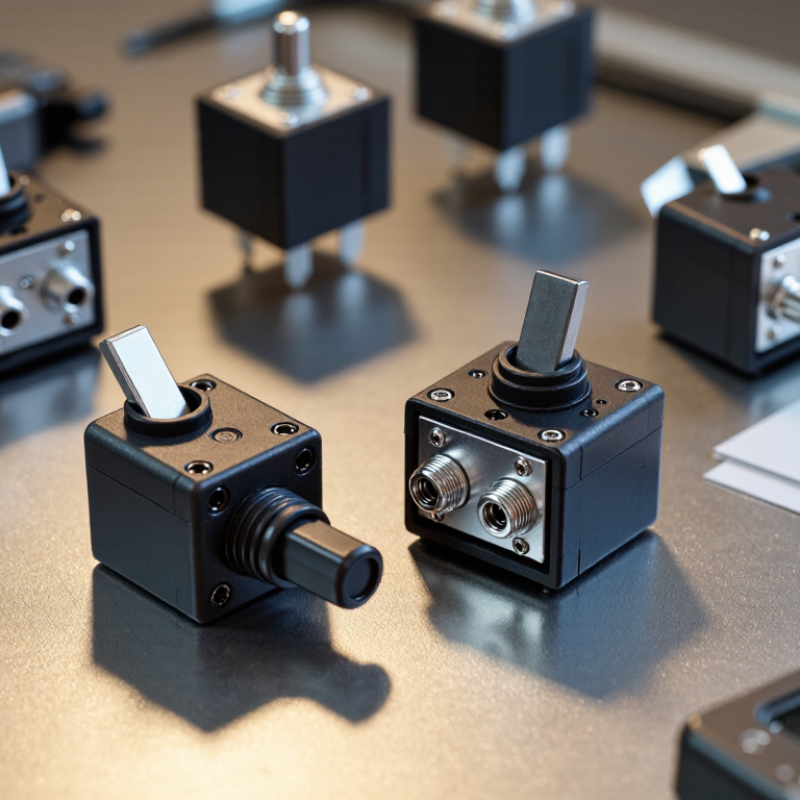
A dual micro switch is a compact electromechanical switch that can control two circuits or provide two contact paths from one small mechanism. The term is not perfectly standardized, so check the device diagram: some designs share one actuator, while others contain separate switching elements.
A tiny click.
Inside, a spring-loaded plunger moves when a lever or button is pressed. Once the mechanism reaches its trigger point, the contacts snap from one position to another. This quick action helps create a clear electrical change, even when the actuator moves slowly. Depending on the contact arrangement, terminals may connect a circuit when pressed, release it when pressed, or switch between two paths. The switch routes current; it does not create power. That distinction is easy to miss.
In practice, a dual micro switch might sense a closed panel while also sending a status signal to a controller. Selection depends on the circuit count, voltage and current rating, operating force, travel, and expected number of cycles. Check whether both contact paths operate together and whether the load is suitable for the contacts. A low-current signal and a motor load are not interchangeable. Not always. Dust, vibration, and repeated side pressure can also affect performance, so mounting alignment matters. Specifications help, but they cannot fully predict every installation. A careful test in the actual mechanism is still worthwhile.
A high-quality dual micro switch should provide two repeatable outputs, clear operating points, and stable contact pressure. Check its rated voltage and current against the actual load, including motor inrush; a rating for resistive loads may not apply to inductive loads. The IEC 61058-1 appliance-switch standard describes electrical and mechanical tests, but no single endurance figure guarantees suitability for every application. Ask for test conditions, such as load, temperature, and switching rate. Cycle counts without context can mislead.
Look closely at the actuator, terminals, and enclosure. The lever should return cleanly, without sticking, and both circuits should change state consistently across repeated presses. Secure terminals matter in a vibrating panel. For dusty or wet locations, verify the assembled device’s protection rating; IEC 60529 defines IPX7 testing as temporary immersion in water up to one metre. That rating does not prove resistance to every spray or chemical. Small detail. Review the datasheet’s operating-force range, travel, temperature limits, and electrical-life rating together. A switch can pass a bench test yet fail in a hot, vibrating enclosure. I would also request traceable test results, not just a headline life number. That extra check takes time, but it exposes assumptions early.
A dual micro switch can mean two electrically separate circuits operated together, or two switch units sharing one mechanism. That distinction matters. A linked design can change both circuits with one short lever movement; a paired design may allow separate adjustment or replacement. Compare contact layouts, such as double-pole single-throw and double-pole double-throw, then check operating force, travel, terminal style, and electrical rating. A compact body may fit a tight panel, but cramped wiring can make servicing awkward. IEC 61058-1 provides a technical framework for appliance-switch performance and testing; it is a useful reference, not a substitute for checking the product’s own specifications.
Tips: Match the actuator to the real movement. A roller suits a sliding cam; a plunger needs a direct, aligned push. Check the complete assembly’s ingress-protection rating, too. IEC 60529 uses dust-protection levels from 0 to 6 and water-protection levels from 0 to 9. These codes describe the tested enclosure, not automatically every bare switch.
For a dusty enclosure, a sealed version may be more suitable than an exposed mechanism, though sealing can affect size and feel. In vibration-prone equipment, inspect the mounting method and verify that both circuits switch reliably at the intended travel. Ask for endurance and operating-force test data under your actual load conditions. A rating alone can hide practical differences. I would not select by “dual” wording alone; it is vague, and listings do not always explain whether the circuits act independently. Test a sample in the real assembly before finalizing the design.
SPST designs have 2 contact terminals, SPDT designs have 3, and DPDT designs have 6 (two SPDT contact sets). A DPDT design can switch two circuits together, making it a practical choice when two outputs must change state from one actuator. The best configuration depends on the number of circuits and switching behavior required; actual products may include additional terminals.
Comparing dual micro switches in 2026 starts with the actual job, not a headline rating. Check whether both switches must operate together, independently, or in sequence. Then compare operating force, pre-travel, and release behavior against the mechanism they will control. A switch that feels light on a test bench may behave differently behind a stiff lever. Small details matter.
Read the datasheet for contact configuration, rated voltage and current, electrical endurance, and allowable operating temperature. Compare these values under the same load conditions; headline cycle counts are not meaningful if test conditions differ. Also check the body dimensions, terminal style, mounting points, and actuator shape. A few millimeters can turn a simple replacement into a redesign. Confirm that any stated sealing level matches exposure to dust, oil, or moisture in the real installation.
For paired operation, test both switches across repeated cycles and note whether their switching points stay consistent. A basic fixture, multimeter, and cycle log can reveal drift that a quick hand test misses. Ask for traceable test data when reliability is important, and verify that documentation applies to the exact model. Ratings still have limits. I would not choose from specifications alone: actual mounting stress, wiring, and temperature can change performance, and field testing takes time.
The best dual micro switch depends on what it must sense, switch, and survive. For a washing-machine lid or appliance door, choose a snap-action unit with clearly rated contacts, repeatable operating travel, and terminals suited to the wiring. IEC 61058-1 covers switches for household and similar electrical appliances; check the relevant edition and product rating for the intended load. Keep the load within spec. A dual contact does not automatically mean electrical redundancy: confirm whether both circuits control separate functions or provide position monitoring.
For factory guards and control panels, prioritize mechanical life, vibration resistance, and an actuator that matches the motion. A roller lever suits a passing cam; a plunger suits a short, direct press. For vehicle applications, sealing and stable operation under vibration matter more than a tiny package alone. OICA reported about 92.5 million motor vehicles produced worldwide in 2024, a reminder of the demanding scale and variety of automotive environments. The figure is context, not a switch specification. Check temperature, ingress protection, contact material, and switching load against the actual installation. Then test it in the real assembly. Small misalignments can defeat an otherwise suitable switch.
„Thanks to the LUVIR technology, the solder resist process could be switched directly from the previously used mask exposure to direct exposure. As an outstanding digital solution on the market, this technology has been able to demonstrate fast process times and superior quality on our certified conventional ink in production. This allowed us to fully digitize the solder mask process at low cost – without process or ink adjustments. An excellent benefit to our production in Rot am See.“
Ralf Göhringer (Head of Production WE Rot am See)
I would definitely recommend the Limata machine and team for a future company purchase
Michael Greenaway
Compunetics Inc.
“The Limata ldi has been amazing!! Best thing we did was buy this machine”
Richard Brady
GM
Circuitlabs
“Since 2019, we have been running the Limata X1000 LDI system (including LUVIR for solder mask imaging) in daily production as an addition to our current process with film. The machine was capable of properly exposing Taiyo PSR-4000 BN (DI) solder mask types on normal to high-copper boards using a new and unique direct imaging process. The machine operating interface is very user friendly which allowed for a quick technical training curve. The pre-registration processing reduced several seconds of production time at every print. Limata support and service staff is incomparable. They supported our team every step of the way at basically any time of the day or night, with literally, an immediate response time, customizing the software interface to best fit our Operations and needs.
We have exposed more than 8,000 prints since end of October, on various solder mask colors and some resist film panels. Limata, has proven to be very capable and innovative. They are a strong contender in the industry.
We have very much enjoyed this project, and working with the team!
Thank you Limata for the continued support and being a part of our growth.”
Bill Sezate
Vice President, GM
Summit Interconnect
As a replacement to our current contact exposure process with film, the LIMATA X2000 system including LUVIR-Technology was capable of properly exposing non-LDI solder mask types using a direct imaging process. The machine offers cutting edge software with a very intuitive operating interface which allowed for quick technician training curve. The dual drawer system combined with pre-registration processing reduced several seconds of production time at every machine cycle. Limata support and service staff is world class. They added software patches to keep production running at shortest possible response times, customized the software interface to best fit our in-house Operations system, and even wrote a step-by-step machine processing manual. As a result of the project, we have exposed more than 16,000 times on various product types and solder mask brands/colors. Limata, in a very short timeframe as a company, has definitely shown they are truly innovative and will be challenging the industry of direct imaging for the top spot.
Kevin Beattie
Process Engineer
TTM Technologies
Forest Grove Division
