Choosing the right filter cartridge is crucial for water quality. According to a report by the Water Quality Association, approximately 15% of households in the U.S. rely on some type of filtration system. Filter cartridges play a vital role in ensuring safe drinking water by removing contaminants. The effectiveness of a filter depends on its design, material, and application.
Different uses require specific types of filter cartridges. For example, activated carbon filters excel in reducing chlorine and sediment, while reverse osmosis systems target heavy metals and bacteria. Understanding the unique properties of each cartridge can help consumers make informed choices. Ignoring these factors can lead to inefficiencies, higher costs, and compromised water safety.
Many users struggle to find the right fit. Among numerous options, one must consider performance and longevity. A poorly chosen filter cartridge could render a system ineffective. Thorough research and industry insights are essential. Selecting the ideal filter cartridge not only improves water quality but also nurtures public health.
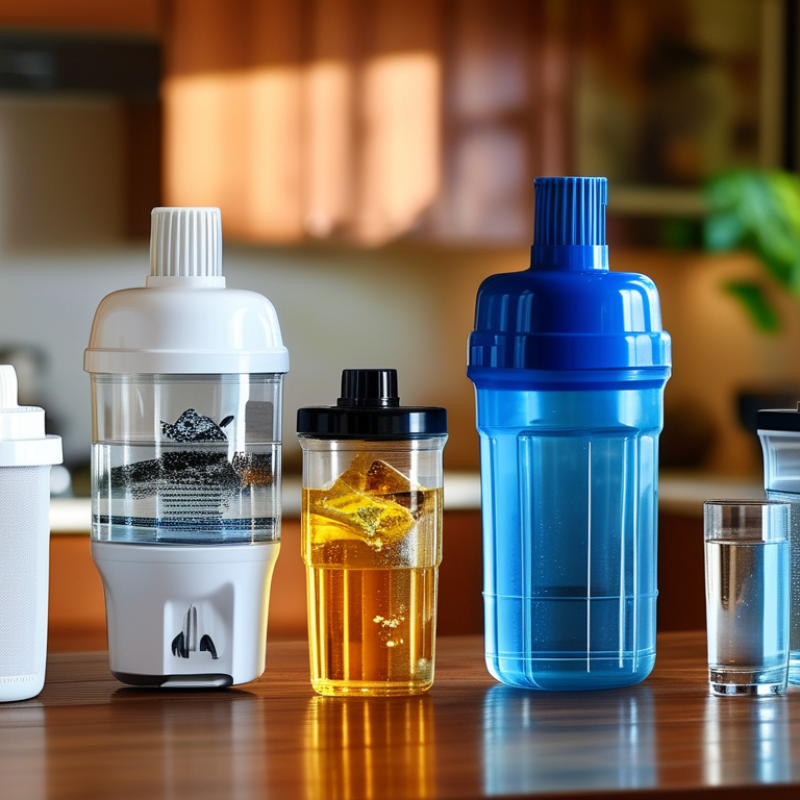
Choosing the right filter cartridge can greatly affect your water quality. Today, various types of filter cartridges are available, each serving unique purposes. The most common types include activated carbon, sediment, and reverse osmosis cartridges. Activated carbon cartridges excel at removing chlorine and improving taste. They are often used in household water systems. Sediment cartridges, on the other hand, help eliminate larger particles like dirt and rust. They are essential in preventing damage to other filtration systems.
Reverse osmosis cartridges usually provide the highest level of purification. They can remove dissolved minerals and contaminants, offering clean and safe drinking water. However, they require more maintenance and can produce waste water. When selecting a cartridge, consider your specific needs and local water quality.
Choosing a filtration system is not just about preference. It requires understanding your water sources, usage patterns, and budget. Sometimes, combining different cartridge types offers the best solution. A multi-stage system allows for more comprehensive filtration. However, this complexity can be overwhelming. It is vital to regularly inspect and maintain your system. Regular assessment ensures you meet your water quality needs effectively.
Choosing the right filter cartridge is essential for ensuring optimal performance in your filtration system. Different factors come into play while making this decision. One key factor is the type of contaminants present in your water. A report from the Water Quality Association highlights that around 85% of households face water quality issues. Knowing whether you need to filter out sediments, chlorine, or heavy metals affects the cartridge selection.
Another crucial consideration is the flow rate of your system. According to research from the American Society of Plumbing Engineers, maintaining an ideal flow rate is critical for effective filtration. If the rate is too high, contaminants may not be adequately removed. If it’s too low, it can lead to inefficiency.
The lifespan and maintenance frequency of the filter cartridge cannot be overlooked. Data from the Environmental Protection Agency suggests that improperly maintained filters can reduce efficiency by up to 50%. Regular monitoring of your filter's performance is vital. Without proper checks, you may unknowingly compromise your water quality.
When selecting a filter cartridge, understanding micron ratings and flow rates is crucial. Micron ratings indicate the size of particles a filter can remove. A lower micron rating means finer filtration. For example, a filter rated at 1 micron captures particles such as sediments and bacteria. This precision is vital for ensuring clean drinking water.
Flow rates determine how quickly water can pass through a filter. A filter with a higher flow rate delivers water more quickly but may sacrifice some filtration effectiveness. Balancing these two factors requires careful consideration. Some users need fast water flow, while others prioritize particle removal. This can mean choosing a filter that may not perform perfectly in both areas.
Choosing the correct filter requires reflection on personal needs. Assess your water's quality and your family's health. Some filters may remove larger contaminants but leave behind smaller ones. Others excel in fine filtration but may slow down flow significantly. It’s essential to analyze your specific situation. Testing your water can provide insights that guide your choice.
Selecting the right filter cartridge involves understanding its lifespan and maintenance needs. Many cartridges are designed to last between six months to two years, depending on usage levels. Regular monitoring can help in determining how often a cartridge should be changed. A report from the Water Quality Association indicates that neglecting maintenance can reduce efficiency by up to 25%.
Proper cleaning and replacement protocols can extend the life of your filter cartridge. For instance, if you notice a decline in water flow or transparency, it might be time for a prompt assessment. Regular checks will ensure that contaminants are effectively removed. Remember, proactive maintenance is often more cost-effective than waiting for complete failure.
Tips: Always log your maintenance checks and cartridge replacements. This habit helps in predicting future needs. Look for signs of wear and replace cartridges before any significant drop in performance. Routinely updating your knowledge about filtration technologies can lead to better choices tailored to specific needs.
Choosing the right filter cartridge is challenging. Cost and quality often clash when making a decision. Budget constraints can lead to compromises. Inexpensive options may lack effectiveness. On the other hand, high-quality cartridges can be costly. Striking the right balance is essential for optimal performance.
Consider the materials used in filter cartridges. Cheaper filters may use lower-grade materials, which can diminish their lifespan. Conversely, premium filters typically feature advanced technology. These can provide better filtration. However, this does not always mean you must spend excessively. Research can reveal budget-friendly options with solid reviews.
It’s also important to think about the purpose of the filter. Are you filtering water for drinking or for an aquarium? The requirement can shift the importance of quality versus cost. Take time to assess your needs. Sometimes, investing a bit more can save money in the long run. Don’t rush this decision. Each situation is unique and deserves careful consideration.
„Thanks to the LUVIR technology, the solder resist process could be switched directly from the previously used mask exposure to direct exposure. As an outstanding digital solution on the market, this technology has been able to demonstrate fast process times and superior quality on our certified conventional ink in production. This allowed us to fully digitize the solder mask process at low cost – without process or ink adjustments. An excellent benefit to our production in Rot am See.“
Ralf Göhringer (Head of Production WE Rot am See)
I would definitely recommend the Limata machine and team for a future company purchase
Michael Greenaway
Compunetics Inc.
“The Limata ldi has been amazing!! Best thing we did was buy this machine”
Richard Brady
GM
Circuitlabs
“Since 2019, we have been running the Limata X1000 LDI system (including LUVIR for solder mask imaging) in daily production as an addition to our current process with film. The machine was capable of properly exposing Taiyo PSR-4000 BN (DI) solder mask types on normal to high-copper boards using a new and unique direct imaging process. The machine operating interface is very user friendly which allowed for a quick technical training curve. The pre-registration processing reduced several seconds of production time at every print. Limata support and service staff is incomparable. They supported our team every step of the way at basically any time of the day or night, with literally, an immediate response time, customizing the software interface to best fit our Operations and needs.
We have exposed more than 8,000 prints since end of October, on various solder mask colors and some resist film panels. Limata, has proven to be very capable and innovative. They are a strong contender in the industry.
We have very much enjoyed this project, and working with the team!
Thank you Limata for the continued support and being a part of our growth.”
Bill Sezate
Vice President, GM
Summit Interconnect
As a replacement to our current contact exposure process with film, the LIMATA X2000 system including LUVIR-Technology was capable of properly exposing non-LDI solder mask types using a direct imaging process. The machine offers cutting edge software with a very intuitive operating interface which allowed for quick technician training curve. The dual drawer system combined with pre-registration processing reduced several seconds of production time at every machine cycle. Limata support and service staff is world class. They added software patches to keep production running at shortest possible response times, customized the software interface to best fit our in-house Operations system, and even wrote a step-by-step machine processing manual. As a result of the project, we have exposed more than 16,000 times on various product types and solder mask brands/colors. Limata, in a very short timeframe as a company, has definitely shown they are truly innovative and will be challenging the industry of direct imaging for the top spot.
Kevin Beattie
Process Engineer
TTM Technologies
Forest Grove Division
