Choosing the right Lcd Tv Universal Board from China can determine whether a damaged television becomes useful again or remains an expensive repair project. The board must match the panel resolution, screen size, connector layout, operating system, and power requirements. A board that looks compatible may still create problems, such as reversed images, missing sound, unstable backlight control, or an unusable remote. Small differences matter.
China offers a wide range of universal boards, from basic LED controller kits to smart TV mainboards with Wi-Fi and multiple HDMI ports. Experienced buyers usually begin with the original panel label, board number, LVDS or eDP interface, and power specifications. Clear photos are helpful, but they are not enough. Ask the supplier for a compatibility list, firmware details, wiring diagrams, and testing evidence before placing an order. A reliable manufacturer should explain limitations instead of promising that every board fits every television.
Check the details twice.
Supplier experience also deserves attention. Review factory capability, quality-control procedures, sample policies, warranty terms, and after-sales communication. Certifications may support credibility, but they should be verified and viewed alongside practical test results. I have seen buyers focus on the lowest price and overlook firmware support, replacement cables, or shipping protection. That decision can cost more later.
This guide examines how to compare Chinese suppliers, confirm technical compatibility, evaluate quality, and reduce purchasing risks. It also recognizes an uncomfortable point: even a carefully selected board can require adjustment or professional installation. The goal is not to find a perfect product instantly, but to make a well-informed and dependable choice.
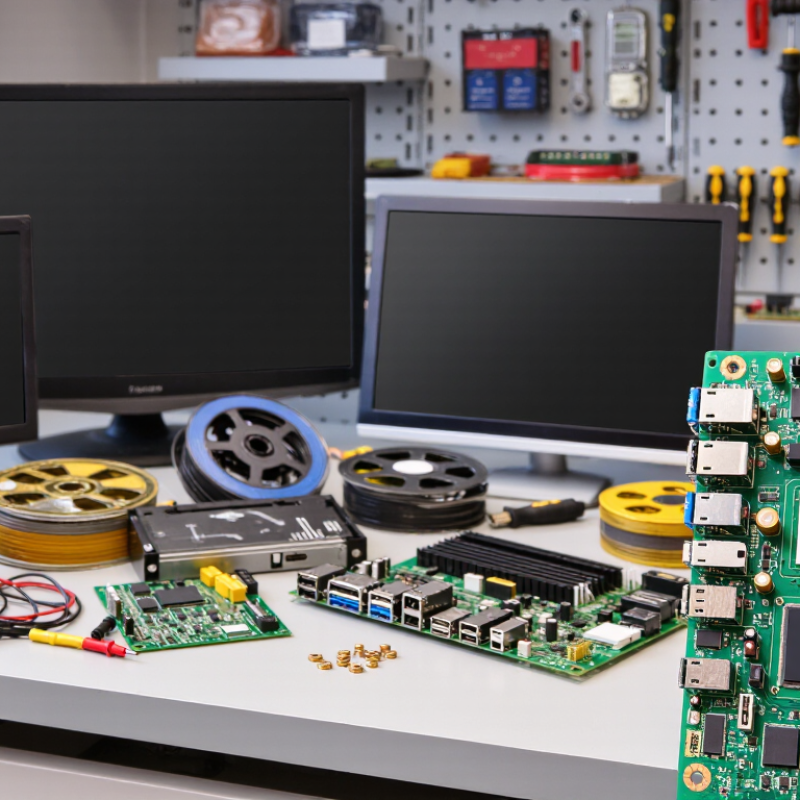
How to Choose the Best LCD TV Universal Board from China?
Understanding LCD TV Universal Board Compatibility
Choosing a universal LCD TV board starts with the panel, not the television casing. Check the panel number, screen size, resolution, and refresh rate carefully. A board designed for a similar screen may still produce a distorted image or no display.
Interface details are equally important. Confirm whether the panel uses LVDS or eDP, then match the connector shape, pin count, and cable direction. Check the panel voltage before connecting power. An incorrect voltage can damage the display quickly. I also inspect the backlight type, because LED strips and driver circuits are not always interchangeable. Small differences matter.
Firmware compatibility deserves attention. The board should support the panel’s timing settings and image format. Ask the supplier in China for a tested firmware version, wiring diagram, and real product photographs. Request a sample before placing a larger order. Test HDMI, audio, remote control, buttons, and standby functions. Do not trust a general compatibility list alone. I once accepted a board based on resolution only, and the picture showed unstable colors. That mistake taught me to verify every electrical detail. Even experienced buyers can overlook cable orientation. Measure twice. Test once. Keep records of panel results and supplier responses, because clear documentation makes future purchases more reliable.
Understanding LCD TV universal board compatibility starts with matching the board to the panel resolution. The chart compares the total pixel count of three widely used LCD TV resolutions.
Compatibility note: Before selecting a board, verify the panel resolution, LVDS or eDP interface, signal pin count, panel voltage, backlight type, connector position, and supported refresh rate. A board designed for one resolution may not correctly drive a panel with another resolution.
Choosing a universal LCD TV board from China starts with identifying your television’s exact technical requirements.
Do not rely on screen size alone. Measure the panel width, height, and mounting points carefully. Record the panel model printed on its rear label. Small differences matter.
Check the panel resolution, refresh rate, and signal interface before comparing boards. Common interfaces include LVDS and eDP, but their pin counts may differ. Confirm the connector position and cable direction.
Check the required panel voltage, usually shown in the technical datasheet. Backlight type also matters, because LED strips need compatible current and control signals.
Audio output, remote control support, side-button connections, and input ports should match your intended setup. A board with more ports is not always better.
I once selected a board by resolution alone and missed an incompatible cable layout. The screen powered on, but the image remained unstable. That mistake was avoidable.
Ask the supplier for a wiring diagram, firmware details, and a panel compatibility list. Request clear photos of the board and connectors. Test one sample with your panel before placing a larger order. Check startup time, image color, sound, remote response, and heat after several hours. Keep the original panel label and measurements for later verification. Technical judgment improves when every detail is recorded.
Choosing an LCD TV universal board from China requires more than matching screen size. Confirm the panel model, resolution, LVDS or eDP interface, voltage, and connector position. A board may power the display yet show incorrect colors, flickering, or cropped images. Request a current compatibility list and wiring diagram before ordering.
Performance depends on processing quality. Compare supported resolutions, refresh rates, input ports, audio output, and scaling behavior. Test HDMI switching, standby recovery, and continuous playback. I once trusted a board because its image appeared sharp for ten minutes. Longer testing revealed heat near the processor. That mistake changed my inspection routine. Reliable suppliers should provide sample testing, firmware details, production records, and clear replacement terms. These details are more useful than attractive specifications.
Tips: Ask for one sample before bulk purchasing. Check the panel with a color chart and moving video. Measure temperature after several hours. Inspect solder joints, capacitors, and connector strength. Keep photos of every test. Do not ignore small delays in supplier responses; they may indicate weak technical support. I still find documentation imperfect sometimes, so record unanswered questions and verify them in writing. A lower price can be reasonable, but unexplained cost reductions deserve careful review.
Choosing a Chinese supplier requires more than comparing prices. Ask for the factory address, production capacity, and recent quality records. A reliable supplier should explain board compatibility clearly. Request the panel list, connector pinout, supported resolutions, and firmware options before ordering samples. Small details matter. A wrong voltage setting can damage a display.
Check certification documents carefully. Quality management certification can show process control, but it does not guarantee every board is reliable. Request test reports for electromagnetic compatibility, material restrictions, and electrical safety. Confirm whether the documents apply to the exact board model, not a similar product. Certification marks should match your target market’s requirements. This step is often rushed, and that is a mistake.
Support quality becomes visible during testing. Ask how quickly engineers answer technical questions and whether they provide wiring diagrams, update files, and troubleshooting steps. Test one sample for startup time, remote response, overheating, image scaling, and standby power. Keep photos of connectors and test results. In my experience, suppliers may promise broad compatibility, but some panels still need firmware changes. That uncomfortable discovery can prevent larger losses. A written warranty should define replacement procedures, testing evidence, and response times. Avoid vague promises.
Choosing an LCD TV universal board from China requires more than comparing the unit price. I usually calculate the full landed cost, including samples, shipping, customs fees, cables, and possible firmware changes. A low quotation can become expensive after compatibility problems appear. Ask for a detailed proforma invoice, production lead time, minimum order quantity, and warranty conditions.
Request a sample before placing a large order. Check the panel model, resolution, refresh rate, backlight voltage, and LVDS or eDP connection. Test HDMI, USB, audio output, remote response, and standby power. Run the board for several hours with different video sources. Watch for flickering, overheating, weak sound, or delayed startup. Small details matter.
I once focused too heavily on price and overlooked the supplied cable length. That caused extra assembly work. It was a useful mistake. Ask the supplier to confirm firmware, mounting holes, button layout, and supported panel lists in writing. Before final payment, agree on inspection standards, packaging protection, replacement procedures, and a realistic defect allowance. Photographs and test videos help, but they cannot replace a physical sample. A signed purchase document should match the tested configuration, not only the sales quotation.
„Thanks to the LUVIR technology, the solder resist process could be switched directly from the previously used mask exposure to direct exposure. As an outstanding digital solution on the market, this technology has been able to demonstrate fast process times and superior quality on our certified conventional ink in production. This allowed us to fully digitize the solder mask process at low cost – without process or ink adjustments. An excellent benefit to our production in Rot am See.“
Ralf Göhringer (Head of Production WE Rot am See)
I would definitely recommend the Limata machine and team for a future company purchase
Michael Greenaway
Compunetics Inc.
“The Limata ldi has been amazing!! Best thing we did was buy this machine”
Richard Brady
GM
Circuitlabs
“Since 2019, we have been running the Limata X1000 LDI system (including LUVIR for solder mask imaging) in daily production as an addition to our current process with film. The machine was capable of properly exposing Taiyo PSR-4000 BN (DI) solder mask types on normal to high-copper boards using a new and unique direct imaging process. The machine operating interface is very user friendly which allowed for a quick technical training curve. The pre-registration processing reduced several seconds of production time at every print. Limata support and service staff is incomparable. They supported our team every step of the way at basically any time of the day or night, with literally, an immediate response time, customizing the software interface to best fit our Operations and needs.
We have exposed more than 8,000 prints since end of October, on various solder mask colors and some resist film panels. Limata, has proven to be very capable and innovative. They are a strong contender in the industry.
We have very much enjoyed this project, and working with the team!
Thank you Limata for the continued support and being a part of our growth.”
Bill Sezate
Vice President, GM
Summit Interconnect
As a replacement to our current contact exposure process with film, the LIMATA X2000 system including LUVIR-Technology was capable of properly exposing non-LDI solder mask types using a direct imaging process. The machine offers cutting edge software with a very intuitive operating interface which allowed for quick technician training curve. The dual drawer system combined with pre-registration processing reduced several seconds of production time at every machine cycle. Limata support and service staff is world class. They added software patches to keep production running at shortest possible response times, customized the software interface to best fit our in-house Operations system, and even wrote a step-by-step machine processing manual. As a result of the project, we have exposed more than 16,000 times on various product types and solder mask brands/colors. Limata, in a very short timeframe as a company, has definitely shown they are truly innovative and will be challenging the industry of direct imaging for the top spot.
Kevin Beattie
Process Engineer
TTM Technologies
Forest Grove Division