The demand for advanced ceramic materials has surged in recent years. This is especially true for the LTCC (Low-Temperature Co-fired Ceramic) process, which is pivotal in electronic applications. LTCC Process Equipment plays a significant role in producing reliable and high-quality ceramics. According to a recent market report, the global LTCC market is expected to reach $1.75 billion by 2025, driven by increased usage in telecommunications and automotive sectors.
China has emerged as a leading player in the LTCC industry. The country offers a wide array of LTCC Process Equipment options that cater to various manufacturing needs. Recognized for its technological advancements, China presents equipment that combines efficiency with cost-effectiveness. However, selecting the right equipment can be challenging due to the overwhelming choices available.
Understanding the specific requirements of LTCC production is crucial. Factors such as precision, setup time, and durability must be considered. A gap often exists between the most advanced equipment and that which is widely accessible. This presents a thought-provoking scenario for manufacturers seeking to optimize their processes while adhering to budget constraints. Ultimately, the right LTCC Process Equipment can significantly influence production efficiency and product quality.
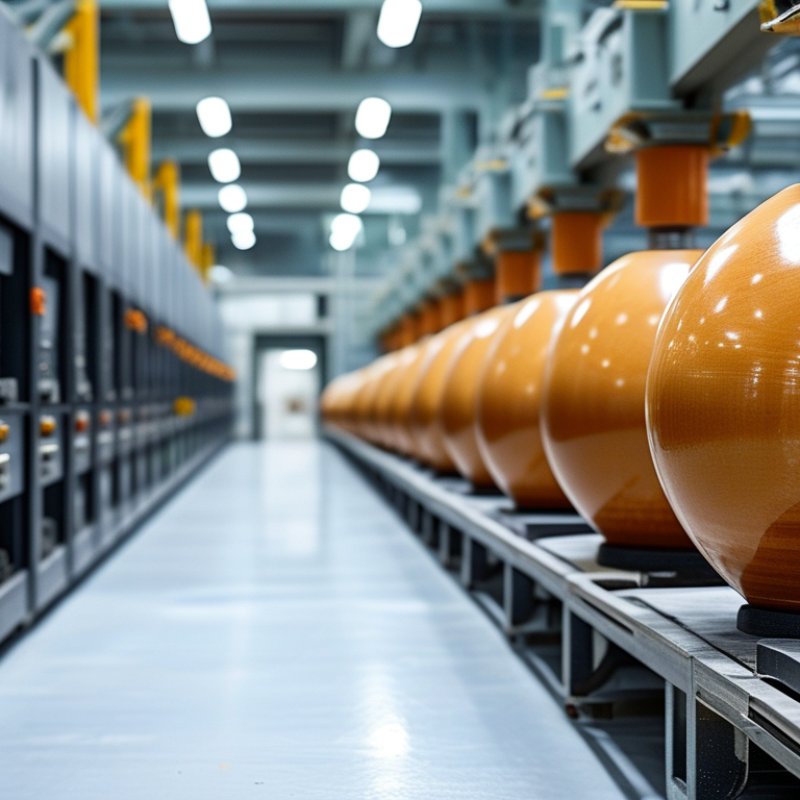
LTCC technology, or Low Temperature Co-fired Ceramics, plays a crucial role in modern electronics. This innovative method allows manufacturers to create devices with high reliability and performance. LTCC combines ceramic materials with metals to form a robust substrate. This substrate can support multiple layers of circuitry. As a result, it leads to smaller, lighter electronic devices that can operate under extreme conditions.
Understanding LTCC’s significance goes beyond just its structural benefits. The technology enables higher frequencies and better thermal management. It is essential for applications like telecommunications, medical devices, and automotive electronics. However, the complexity of LTCC production requires specialized equipment and expertise. Not every manufacturer can achieve the desired quality. This could lead to variations in performance. It’s important for companies to evaluate their production capacity honestly.
In the production process, attention to detail is vital. Small inconsistencies can lead to significant issues down the line. The right equipment selection plays a critical role in ensuring quality. It’s crucial to adopt a cautious approach when exploring different options. Manufacturers should prioritize reliability over cost to avoid long-term challenges. While LTCC technology holds immense potential, its successful implementation demands careful planning and execution.
When selecting LTCC (Low Temperature Co-fired Ceramics) process equipment in China, several key factors come into play. Companies should prioritize equipment's compatibility with various materials. Industry data indicates that 80% of manufacturers encounter issues related to material uniformity. This can lead to inconsistent product quality, affecting the entire production line. Hence, the ability of the machinery to handle multiple material inputs efficiently is crucial.
Another significant consideration is the equipment's production speed. In a fast-paced market, manufacturers strive to reduce cycle times. Reports show that equipment capable of cutting cycle times by 30% can substantially enhance productivity. However, it's vital to not compromise on quality for speed. An imbalance can lead to defects, which might incur higher costs in the long run.
Furthermore, the level of automation in LTCC equipment is essential. Limited automation often results in increased labor costs and higher error rates. Studies suggest that automation can cut labor needs by up to 40%, optimizing resource allocation. However, full automation comes with its challenges, such as the need for skilled personnel to operate sophisticated machines. Balancing automation with human oversight is an area worth reflection. It's not always easy to achieve the perfect mix.
In recent years, the LTCC (Low-Temperature Co-fired Ceramic) industry in China has experienced significant growth. The technological advancements in manufacturing processes have paved the way for enhanced efficiency and precision. According to industry reports, the LTCC market is projected to reach a valuation of approximately $1.4 billion by 2026, reflecting a compound annual growth rate of 5.2%. This growth stems from the rising demand in sectors like telecommunication, automotive, and consumer electronics.
Several leading manufacturers have emerged as pioneers in this field. Their equipment offerings focus on improving yield rates and reducing production costs. Advanced setups include multi-layer co-firing systems, automated assembly lines, and precise photolithography tools. However, challenges remain, such as managing production scale and ensuring quality control. Many companies face difficulties in maintaining consistent product specifications across batches, which impacts overall reliability.
Insights from recent analyses suggest a need for ongoing innovation. As competition intensifies, manufacturers must rethink their equipment choices. Collaboration with research institutions has become vital. This partnership could foster developments that address limitations in current technologies. Several companies are also exploring eco-friendly materials to align with sustainability goals. Making these changes is essential to thrive in the evolving LTCC landscape.
| Equipment Type | Manufacturer Location | Production Capacity (units/year) | Typical Applications | Price Range (USD) |
|---|---|---|---|---|
| LTCC Lamination Press | Shenzhen | 5,000 | RF Components, Sensors | $50,000 - $100,000 |
| Paste Printer | Beijing | 10,000 | Circuit Printing, IC Assembly | $30,000 - $70,000 |
| Co-Firing Furnace | Hangzhou | 2,500 | LTCC Component Sintering | $100,000 - $200,000 |
| Laser Trimmer | Shanghai | 3,000 | Resistive Trimming | $20,000 - $40,000 |
| Automatic Inspection System | Guangzhou | 1,500 | Quality Control, Final Inspection | $15,000 - $50,000 |
When evaluating LTCC (Low-Temperature Co-fired Ceramic) process equipment in China, performance and cost are key factors. Recent industry reports indicate price variations for equipment based on functionality. Advanced models may exceed $100,000, while basic options can start below $50,000. The price often reflects the machine's precision and technology integration.
Performance metrics highlight that efficiency can differ significantly. For instance, some machines achieve production speeds of up to 10 square meters per hour, while others may only reach 3-4 square meters. Additionally, data from a 2023 survey reveals over 60% of users identify reliability as a top concern. Downtime can impact profitability. A machine with frequent malfunctions may seem cheaper upfront but lead to higher operational costs over time.
Maintenance practices also vary widely among different equipment options. A report by an industry expert indicates that companies often overlook the long-term costs of maintenance and spare parts. Regular maintenance is essential for optimal performance. Surprisingly, some cheaper options require more frequent servicing. This reality can significantly affect overall cost-effectiveness. Therefore, companies must carefully consider both upfront investment and long-term implications when selecting LTCC equipment.
This chart illustrates the performance scores of various LTCC process equipment alongside their associated costs. The bar graph represents the performance score out of 100, while the line graph denotes the cost in dollars, highlighting the trade-off between performance and investment.
The landscape of LTCC (Low-Temperature Co-fired Ceramic) process equipment in China is shifting. Innovations in manufacturing techniques are shaping the industry. Increased automation is a key trend, enhancing efficiency and precision. Automated systems can reduce human error, but they raise concerns about reliance on machines.
Sustainability is gaining prominence as well. Companies are focusing on environmentally friendly materials and processes. Biodegradable inks and low-energy firing techniques are emerging. However, adopting sustainable practices can be challenging and requires significant investment. Not all companies can afford this transition.
Lastly, miniaturization is changing equipment design. Devices are becoming smaller and more powerful. This creates challenges in maintaining performance while reducing size. Companies must balance these demands carefully. As the industry evolves, staying attuned to these trends is crucial for future success.
„Thanks to the LUVIR technology, the solder resist process could be switched directly from the previously used mask exposure to direct exposure. As an outstanding digital solution on the market, this technology has been able to demonstrate fast process times and superior quality on our certified conventional ink in production. This allowed us to fully digitize the solder mask process at low cost – without process or ink adjustments. An excellent benefit to our production in Rot am See.“
Ralf Göhringer (Head of Production WE Rot am See)
I would definitely recommend the Limata machine and team for a future company purchase
Michael Greenaway
Compunetics Inc.
“The Limata ldi has been amazing!! Best thing we did was buy this machine”
Richard Brady
GM
Circuitlabs
“Since 2019, we have been running the Limata X1000 LDI system (including LUVIR for solder mask imaging) in daily production as an addition to our current process with film. The machine was capable of properly exposing Taiyo PSR-4000 BN (DI) solder mask types on normal to high-copper boards using a new and unique direct imaging process. The machine operating interface is very user friendly which allowed for a quick technical training curve. The pre-registration processing reduced several seconds of production time at every print. Limata support and service staff is incomparable. They supported our team every step of the way at basically any time of the day or night, with literally, an immediate response time, customizing the software interface to best fit our Operations and needs.
We have exposed more than 8,000 prints since end of October, on various solder mask colors and some resist film panels. Limata, has proven to be very capable and innovative. They are a strong contender in the industry.
We have very much enjoyed this project, and working with the team!
Thank you Limata for the continued support and being a part of our growth.”
Bill Sezate
Vice President, GM
Summit Interconnect
As a replacement to our current contact exposure process with film, the LIMATA X2000 system including LUVIR-Technology was capable of properly exposing non-LDI solder mask types using a direct imaging process. The machine offers cutting edge software with a very intuitive operating interface which allowed for quick technician training curve. The dual drawer system combined with pre-registration processing reduced several seconds of production time at every machine cycle. Limata support and service staff is world class. They added software patches to keep production running at shortest possible response times, customized the software interface to best fit our in-house Operations system, and even wrote a step-by-step machine processing manual. As a result of the project, we have exposed more than 16,000 times on various product types and solder mask brands/colors. Limata, in a very short timeframe as a company, has definitely shown they are truly innovative and will be challenging the industry of direct imaging for the top spot.
Kevin Beattie
Process Engineer
TTM Technologies
Forest Grove Division
