A dependable Mainshaft Sleeve Cone Crusher supplier can help reduce unplanned downtime and protect critical crusher components. The sleeve supports the mainshaft under heavy loads, so fit, material quality, and machining accuracy matter. A small dimensional mismatch can cause uneven contact, abnormal wear, or difficult installation. Details matter.
This guide introduces seven suppliers for buyers comparing replacement parts and sourcing options. It considers practical factors such as product range, material documentation, dimensional checks, customization, lead times, and technical support. These details can help maintenance teams ask better questions before requesting a quotation. They should also confirm the crusher model, operating conditions, and required measurements with the supplier. A catalog photo is not enough.
Supplier capabilities vary. Some focus on original-equipment parts, while others offer compatible aftermarket sleeves or custom manufacturing. Neither option is automatically best for every plant. Check how each supplier verifies fit and quality, and request relevant inspection records where available. Claims deserve careful review. A polished website does not prove consistent performance, and a low price may not include clear traceability or responsive support. This comparison is a starting point, not a substitute for engineering review. The right choice depends on the machine, wear history, budget, and maintenance schedule. Even experienced buyers can overlook a detail. Recheck the specifications before ordering.
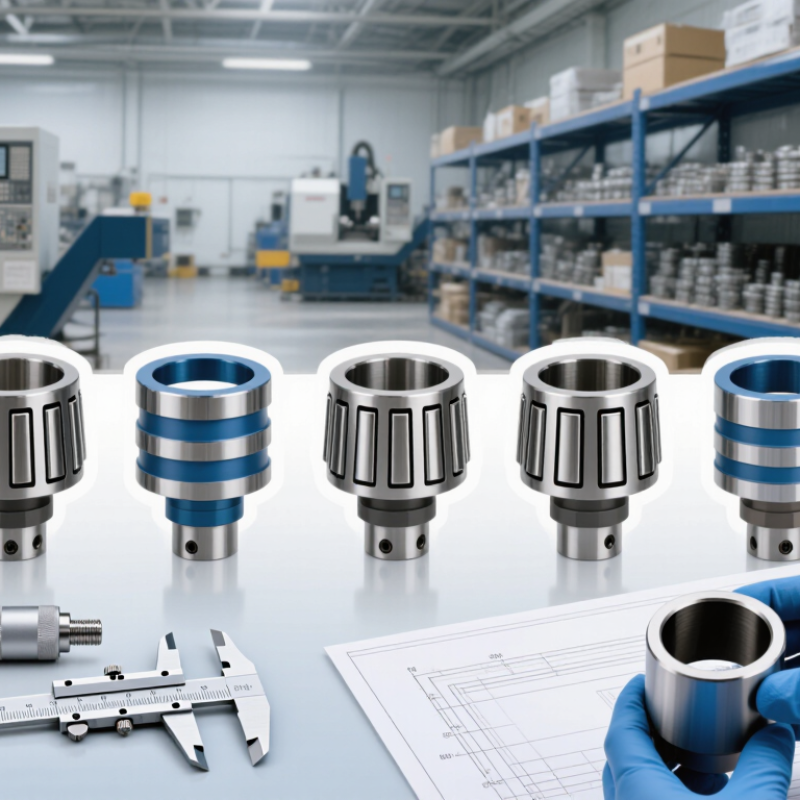
A mainshaft sleeve is a replaceable wear component fitted around the crusher’s mainshaft. It helps shield the shaft from abrasion and creates a close-fitting interface within the crusher assembly. Exact design and function vary by machine, so confirm the parts drawing before ordering. A sleeve that fits poorly can contribute to movement, uneven wear, or damage to neighboring components. Small clearance differences matter.
The stakes are practical. The USGS Mineral Commodity Summaries 2024 estimated U.S. crushed-stone production at roughly 1.5 billion tons in 2023. That scale makes reliable crushing equipment important, but the figure is not a measure of sleeve performance. During inspection, check for scoring, fretting, heat discoloration, and signs of a loose fit. Record measurements against the equipment maker’s tolerances, rather than judging wear by appearance alone. Sleeve wear is not always the root cause; lubrication, alignment, or a damaged mating part may also need attention.
Tips: Keep the old sleeve’s measurements and service hours on file. Compare replacement material, dimensions, and installation requirements with the machine specification. Don’t force it. A tight fit can be just as concerning as excessive clearance, and shortcuts during installation may shorten component life.
A mainshaft sleeve protects the crusher’s mainshaft from wear and helps maintain a stable fit with adjacent components. Choosing a supplier is not only a price decision. Check whether the supplier can work to the required dimensions and tolerances, including the bore, outside diameter, and sleeve length. Small measurement differences can affect installation and service life. Ask for material specifications and inspection records, not just a product description.
A capable supplier should confirm compatibility with your crusher model using drawings or verified measurements. They should explain how they inspect dimensions and surface finish, and provide clear information about material traceability. Ask about production lead times, packaging, and support if the sleeve does not fit as specified. These details may seem routine, but they matter when equipment is waiting for a replacement. I would still verify the critical dimensions at your site; supplier documentation cannot replace a careful fit check.
Tips: Share a drawing, photos, and measured dimensions when requesting a quote. Confirm units and tolerances in writing. Compare the full specification, not price alone. One detail is easy to miss: check whether installation instructions and handling guidance are included.
A practical checklist for evaluating cone crusher mainshaft sleeve suppliers
Bars show the number of evidence items in this checklist, not supplier ratings or market survey results. Verify material certificates, drawing compliance, inspection records, quality controls, and delivery commitments before selecting a supplier.
A mainshaft sleeve is a small part with a demanding job. It must fit the crusher shaft accurately and withstand repeated pressure, vibration, and abrasive dust. Seven supplier types are worth considering: crusher manufacturers, specialist cone-crusher parts makers, mining-equipment distributors, precision machine shops, regional parts stockists, component rebuilders, and engineering firms offering custom manufacture.
Each brings a different advantage. A crusher manufacturer may provide machine-specific drawings, while a specialist parts maker may offer several sleeve configurations. Distributors and regional stockists can shorten delivery times. Precision shops can work from verified dimensions, and rebuilders may assess wear before recommending replacement. Custom engineering firms can help when an older model has limited documentation. Ask about material grade, heat treatment, dimensional inspection, and traceability. Small details matter.
Before requesting a quote, share the crusher model, shaft measurements, operating conditions, and clear photos of the worn sleeve. Confirm tolerances and installation requirements in writing. Request inspection records or a sample measurement report where available. Compare lead time and support, not just price. A low-cost sleeve may look suitable but fit poorly after installation. Measurements can also be wrong, especially on worn parts. Double-check them.
When comparing mainshaft sleeve cone crusher suppliers, look beyond polished catalog photos. Ask for material specifications, hardness records, and dimensional inspection reports for the sleeve you need. Reliable documentation should identify the part and connect it to a production batch. That matters when wear appears uneven after installation. Ask how the supplier checks bore size and surface finish. Small differences can affect fit. A sample report helps, though it does not prove every shipment will match.
Compatibility deserves close review. Share the crusher model, shaft dimensions, drawings, and any known operating changes. Check tolerances, lubrication passages, sealing details, and contact surfaces against your existing assembly. If measurements come from an old or worn sleeve, treat them cautiously. They may not represent the original specification. Have a qualified technician confirm critical dimensions before ordering. It can feel like extra work. It is usually cheaper than discovering a mismatch during a shutdown.
Lead times need evidence too. Ask whether the quoted sleeve is finished stock or still requires machining, and request a dated production schedule. Compare realistic dispatch dates, not just the shortest estimate. Confirm packaging, inspection timing, and how delays will be communicated. A supplier may offer a low price but provide vague updates. That is a warning, though not proof of poor performance. Keep a small buffer for freight and receiving checks, especially when the replacement is needed for planned maintenance.
This comparison describes supplier profiles rather than named companies or brands. Lead times are indicative planning ranges, not verified quotations or guarantees; confirm stock, specifications, and delivery dates directly before ordering.
| Supplier Profile | Best Suited For | Quality Checks to Request | Compatibility to Confirm | Indicative Lead-Time Planning Range | Key Comparison Point |
|---|---|---|---|---|---|
| 1. Equipment-manufacturer parts channel | Buyers prioritizing documented fitment for a specific crusher model and serial range. | Part-number confirmation, material documentation, dimensional inspection records, and traceability. | Crusher model and serial number; drawing revision; sleeve dimensions; related shaft and lubrication arrangement. | Stock: days to weeks; made to order: several weeks | Strong documentation potential; check availability and total delivered cost. |
| 2. Specialist aftermarket crusher-parts supplier | Replacement parts where model-specific aftermarket options are acceptable. | Inspection report, material specification, manufacturing origin, and written warranty terms. | Exact model and serial range; dimensional tolerances; interface and clearance requirements. | Stock: days to weeks; made to order: several weeks | Compare evidence of fitment and quality controls across offered alternatives. |
| 3. Foundry with machining capability | Custom or low-volume sleeves made from an approved drawing or sample. | Material certificates, heat-treatment records where applicable, casting inspection, and finished-part measurements. | Approved drawing and revision; material grade; machining allowances; critical dimensions and tolerances. | Often several weeks or longer | Confirm that inspection covers the finished machined part, not only the casting. |
| 4. Regional industrial-parts distributor | Buyers needing local communication, consolidated purchasing, or regional delivery support. | Supplier traceability, incoming inspection process, certificate availability, and returns policy. | Exact part reference or approved drawing; country-specific delivery and documentation requirements. | Stock: days; replenishment: weeks | Ask whether stock is physically available or dependent on an upstream order. |
| 5. Crusher rebuild and repair workshop | Maintenance projects that combine sleeve supply with inspection, fitting, or repair work. | Measurement records, workmanship criteria, inspection scope, and service warranty. | Crusher condition and model; shaft measurements; repair scope; installation and clearance requirements. | Usually project-dependent; allow several weeks | Clarify whether the quoted lead time includes machining, fitting, and final inspection. |
| 6. Export-focused replacement-parts manufacturer | Planned purchases where international sourcing and shipment coordination are acceptable. | Material and inspection documents, production quality plan, sample or first-article checks, and packing standard. | Drawing revision, units of measurement, tolerances, destination requirements, and shipping terms. | Production plus international transit: several weeks or longer | Compare total landed cost and transit time, not just the quoted production time. |
| 7. Precision machining supplier | Parts produced from a complete drawing, particularly when machining accuracy is central. | Calibration status, dimensional inspection report, material traceability, and process controls. | Complete drawing; material specification; tolerances; surface finish; fit and clearance requirements. | Often several weeks, depending on capacity and material | Verify material sourcing and suitability for the crusher application, not machining capability alone. |
Before choosing a mainshaft sleeve cone crusher supplier, ask how the sleeve is made and inspected. What material specification is used, and how is hardness verified? Ask for the dimensional tolerances and the inspection records for the bore, outside diameter, and contact surfaces. Small deviations can affect fit and wear. Ask how the supplier checks compatibility with your shaft and crusher model, and whether they need drawings or measurements before quoting.
Get specific about service conditions. Explain the crusher’s operating hours, load, lubrication method, and exposure to dust or moisture. Then ask how these factors influence material selection and expected wear life. Request details on packaging, delivery estimates, replacement availability, and the process for handling a sleeve that arrives out of specification. Clear answers matter. So does documentation. A confident sales reply is not the same as a traceable quality record.
Ask what support is available after installation. Can the supplier review wear patterns or help assess a fit issue? Confirm warranty terms in writing, including what evidence is needed to make a claim. Compare quotations carefully; a low price may omit inspection or technical support. I would also ask for a sample inspection report, though it may not reveal every weakness. Supplier selection is never perfect. Keep your own measurements and installation notes, and judge responses by their precision, not just their speed.
„Thanks to the LUVIR technology, the solder resist process could be switched directly from the previously used mask exposure to direct exposure. As an outstanding digital solution on the market, this technology has been able to demonstrate fast process times and superior quality on our certified conventional ink in production. This allowed us to fully digitize the solder mask process at low cost – without process or ink adjustments. An excellent benefit to our production in Rot am See.“
Ralf Göhringer (Head of Production WE Rot am See)
I would definitely recommend the Limata machine and team for a future company purchase
Michael Greenaway
Compunetics Inc.
“The Limata ldi has been amazing!! Best thing we did was buy this machine”
Richard Brady
GM
Circuitlabs
“Since 2019, we have been running the Limata X1000 LDI system (including LUVIR for solder mask imaging) in daily production as an addition to our current process with film. The machine was capable of properly exposing Taiyo PSR-4000 BN (DI) solder mask types on normal to high-copper boards using a new and unique direct imaging process. The machine operating interface is very user friendly which allowed for a quick technical training curve. The pre-registration processing reduced several seconds of production time at every print. Limata support and service staff is incomparable. They supported our team every step of the way at basically any time of the day or night, with literally, an immediate response time, customizing the software interface to best fit our Operations and needs.
We have exposed more than 8,000 prints since end of October, on various solder mask colors and some resist film panels. Limata, has proven to be very capable and innovative. They are a strong contender in the industry.
We have very much enjoyed this project, and working with the team!
Thank you Limata for the continued support and being a part of our growth.”
Bill Sezate
Vice President, GM
Summit Interconnect
As a replacement to our current contact exposure process with film, the LIMATA X2000 system including LUVIR-Technology was capable of properly exposing non-LDI solder mask types using a direct imaging process. The machine offers cutting edge software with a very intuitive operating interface which allowed for quick technician training curve. The dual drawer system combined with pre-registration processing reduced several seconds of production time at every machine cycle. Limata support and service staff is world class. They added software patches to keep production running at shortest possible response times, customized the software interface to best fit our in-house Operations system, and even wrote a step-by-step machine processing manual. As a result of the project, we have exposed more than 16,000 times on various product types and solder mask brands/colors. Limata, in a very short timeframe as a company, has definitely shown they are truly innovative and will be challenging the industry of direct imaging for the top spot.
Kevin Beattie
Process Engineer
TTM Technologies
Forest Grove Division
