A Metal Distribution Box may look simple on a catalog page. In practice, its enclosure, busbar layout, and terminals must suit the installation. Buyers also need to consider rated current, heat, ingress protection, and cable entry. Small details matter. A door that opens cleanly and a gland plate with usable space can save time during installation.
For this guide, electrical-enclosure specialist Alex Morgan offers a practical buying principle: “A dependable box is one whose ratings, layout, and build quality match the site—not just the drawing.” This is a useful lens for comparing suppliers, though it cannot replace a project-specific technical review. Specifications vary. Ask for current product data, dimensional drawings, material details, and test documentation. Confirm which options are standard and which require custom production.
The 10 suppliers in this overview are assessed for product range, manufacturing capability, customization, quality controls, delivery communication, and after-sales support. These factors help global buyers build a shortlist; they do not guarantee that any supplier fits every project. A polished catalog may leave important questions unanswered. Check tolerances, coating choices, terminal access, spare-part availability, and lead-time assumptions before ordering. Regional requirements can differ, too. Verify suitability with qualified local professionals, especially when the box will serve a demanding environment. No shortlist is perfect. The aim here is a clearer comparison, grounded in practical details rather than broad promises.
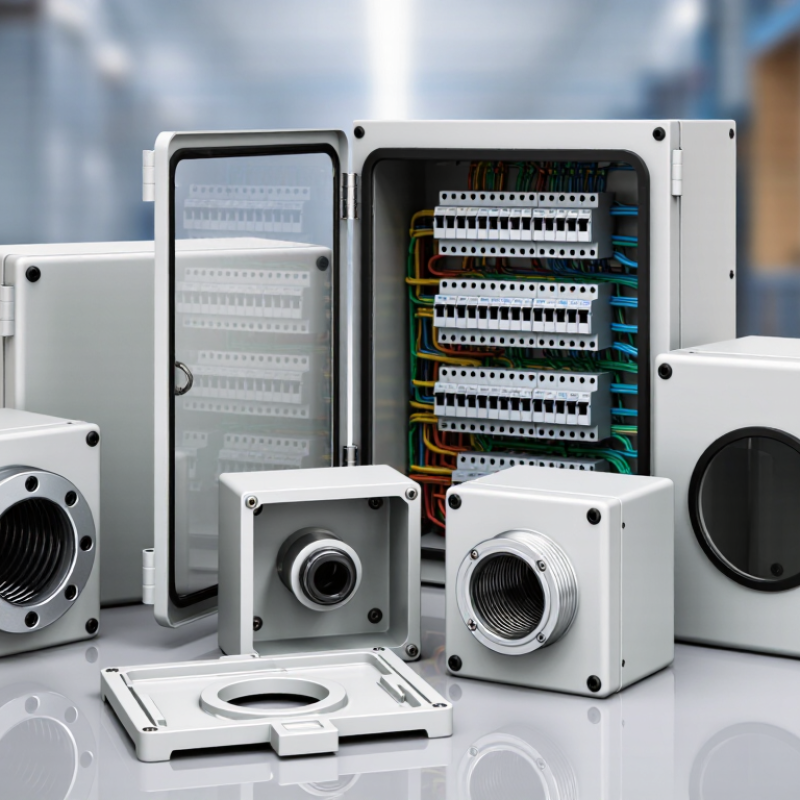
A metal distribution box supplier should be judged on verified performance, not a polished catalogue. Ask for material grade and thickness, enclosure drawings, coating specifications, and test records. For assemblies within its scope, IEC 61439 verification is relevant; IEC 60529 IP ratings help compare protection against dust and water. Check that the supplier can explain how the stated rating was tested. IEA’s Electricity 2025 report says global electricity demand grew 4.3% in 2024, increasing pressure on electrical infrastructure. That makes dependable quality and delivery more than purchasing details.
Look closely at manufacturing controls. Request inspection records, batch traceability, and evidence of consistent welding, door alignment, and coating coverage. A sample can reveal practical issues that a specification sheet misses, such as sharp edges or a poorly seated gasket. Confirm how design changes are approved and how damaged shipments are handled. No checklist removes every risk; I would still verify critical details against the actual installation environment.
Tip: Ask for a recent test report and a production sample. Compare the sample’s dimensions, finish, hinges, and cable-entry openings with the approved drawing before placing a large order. IEA, Electricity 2025; IEC 61439; IEC 60529.
Metal distribution box suppliers differ in tooling, materials, and production focus. One profile is the regional sheet-metal fabricator, often suited to modest runs and close design collaboration. Another specializes in electrical enclosures, with practical experience in mounting plates, cable entries, and door clearances. A stainless-steel workshop may serve corrosive or washdown environments, while a high-volume producer typically offers standardized sizes and repeatable output.
Other profiles include custom-build shops, outdoor cabinet makers, modular enclosure suppliers, export-focused manufacturers, prototype specialists, and firms with in-house finishing. These capabilities are not interchangeable. A painted indoor box and a gasketed outdoor enclosure face different demands. Fit matters. Buyers should compare drawings, material thickness, coating details, and verified ingress-protection documentation rather than relying on a product photo. Ask how samples are checked, how dimensions are controlled, and whether production records can be shared. Small details count.
A supplier’s profile also reveals trade-offs. Custom work can improve fit but may extend lead times; standardized products can ship faster but allow less flexibility. Request a quotation against the same specification from several suppliers, including tolerances, packing, and delivery terms. One oversight is easy: buyers sometimes confirm the enclosure but not the gland plate or mounting hardware. That can create avoidable installation delays. Availability and quality still need checking for each order.
Global buyers comparing metal distribution box suppliers should look beyond a polished catalog. A useful range may include wall-mounted and floor-standing enclosures, several steel thicknesses, and options for cable entry. Check dimensions, door clearances, mounting plates, and gland-plate designs against the actual installation. Small details matter. A box that looks suitable online may leave too little room for wiring bends or maintenance access.
Certifications need careful comparison. Ask which product models and factory sites are covered, and request current certificates and relevant test reports. Confirm that the documents match the destination market and the enclosure’s intended use. A certificate logo alone proves little. The supplier should explain testing, traceability, and how design changes are controlled. When answers stay vague, pause.
Manufacturing capability affects both quality and delivery. Ask about sheet-metal cutting, bending, welding, coating, inspection, and production capacity for repeat orders. A sample can reveal uneven coating near corners, rough cutouts, or a door that does not close smoothly. These checks are practical, not fussy. Still, a sample cannot show how every production batch will perform, so buyers should also review inspection records and agree on measurable acceptance criteria. I would not assume the lowest quotation is the best value; comparing specifications line by line can expose costly gaps.
For global buyers, a metal distribution box supplier is only as dependable as its delivery plan. Compare quoted lead times with actual production schedules, and ask how delays are communicated. A precise answer matters more than a confident promise. Request a sample or recent inspection record to check enclosure dimensions, finish, and packaging before placing a large order. Small details travel far.
Shipping reliability shows up in the crate, not just the quotation. Ask how boxes are protected against moisture, abrasion, and impact during long transit. Confirm carton or pallet dimensions, gross weight, shipment tracking, and which export documents the supplier routinely provides. These details help your logistics team plan receiving and storage. A supplier should also explain what happens when goods arrive damaged or quantities differ from the packing list.
Service quality is tested after the purchase order. Notice whether technical questions receive clear replies, especially about drawings, mounting points, or customization limits. Ask for a named contact and a realistic response window for claims. Keep written records of specifications and approved changes. Even a careful scorecard can miss a disruption at port, and buyers sometimes underestimate that risk. No supplier can remove every delay; honest updates and workable remedies are better evidence of reliability than polished sales language.
World Bank Logistics Performance Index (LPI) scores offer a country-level reference for comparing logistics environments—not supplier-specific delivery or service ratings.
Scores are out of 5. Source: World Bank, Logistics Performance Index 2023. Use this indicator alongside supplier-level evidence such as shipping terms, lead times, and after-sales support.
Choosing a metal distribution box supplier starts with the operating conditions, not the catalogue photo. Record the installation location, expected temperature, dust or moisture exposure, box dimensions, and cable-entry positions. These details help determine suitable materials, finishes, and enclosure protection ratings. A rating should match the actual application, not simply sound impressive.
Ask for evidence. Request current test reports, material specifications, dimensional drawings, and details of inspection procedures. Check that the documents describe the same product configuration you plan to order. If the box will serve a particular market, confirm which conformity documents buyers there require. Details matter. A small difference in door thickness or mounting-hole position can delay installation.
Compare suppliers on production consistency, sample quality, lead time, and packaging, as well as price. Ask how changes to drawings are approved and how defects are recorded. A sample can feel solid, yet tell you little about whether every unit will match it. That part is easy to overlook. Discuss order quantities and replacement-part availability before committing. Clear answers are useful, but vague promises deserve follow-up questions. Supplier selection is not perfectly tidy; delivery schedules and specifications may change, so keep agreed drawings and written requirements on file.
„Thanks to the LUVIR technology, the solder resist process could be switched directly from the previously used mask exposure to direct exposure. As an outstanding digital solution on the market, this technology has been able to demonstrate fast process times and superior quality on our certified conventional ink in production. This allowed us to fully digitize the solder mask process at low cost – without process or ink adjustments. An excellent benefit to our production in Rot am See.“
Ralf Göhringer (Head of Production WE Rot am See)
I would definitely recommend the Limata machine and team for a future company purchase
Michael Greenaway
Compunetics Inc.
“The Limata ldi has been amazing!! Best thing we did was buy this machine”
Richard Brady
GM
Circuitlabs
“Since 2019, we have been running the Limata X1000 LDI system (including LUVIR for solder mask imaging) in daily production as an addition to our current process with film. The machine was capable of properly exposing Taiyo PSR-4000 BN (DI) solder mask types on normal to high-copper boards using a new and unique direct imaging process. The machine operating interface is very user friendly which allowed for a quick technical training curve. The pre-registration processing reduced several seconds of production time at every print. Limata support and service staff is incomparable. They supported our team every step of the way at basically any time of the day or night, with literally, an immediate response time, customizing the software interface to best fit our Operations and needs.
We have exposed more than 8,000 prints since end of October, on various solder mask colors and some resist film panels. Limata, has proven to be very capable and innovative. They are a strong contender in the industry.
We have very much enjoyed this project, and working with the team!
Thank you Limata for the continued support and being a part of our growth.”
Bill Sezate
Vice President, GM
Summit Interconnect
As a replacement to our current contact exposure process with film, the LIMATA X2000 system including LUVIR-Technology was capable of properly exposing non-LDI solder mask types using a direct imaging process. The machine offers cutting edge software with a very intuitive operating interface which allowed for quick technician training curve. The dual drawer system combined with pre-registration processing reduced several seconds of production time at every machine cycle. Limata support and service staff is world class. They added software patches to keep production running at shortest possible response times, customized the software interface to best fit our in-house Operations system, and even wrote a step-by-step machine processing manual. As a result of the project, we have exposed more than 16,000 times on various product types and solder mask brands/colors. Limata, in a very short timeframe as a company, has definitely shown they are truly innovative and will be challenging the industry of direct imaging for the top spot.
Kevin Beattie
Process Engineer
TTM Technologies
Forest Grove Division
