As industries evolve, the demand for quality components rises. The sector of OEM Bronze Brass Investment Casting is seeing significant growth. According to a recent market report, the global investment casting market is projected to reach $25 billion by 2026. This growth is driven by increasing applications across various industries, including automotive and aerospace.
OEM Bronze Brass Investment Casting offers unique advantages. It provides excellent mechanical properties and corrosion resistance. These characteristics make bronze brass an ideal choice for manufacturing durable parts. However, challenges remain in achieving consistent quality and performance. Companies must continuously refine their processes to maintain standards.
Many industry professionals emphasize the importance of collaboration. Establishing strong partnerships with reliable foundries can lead to improved product outcomes. Attention to detail during the casting process can mitigate defects. Investing in advanced technology is essential for staying competitive. Companies should reflect on their current practices to identify areas for improvement.
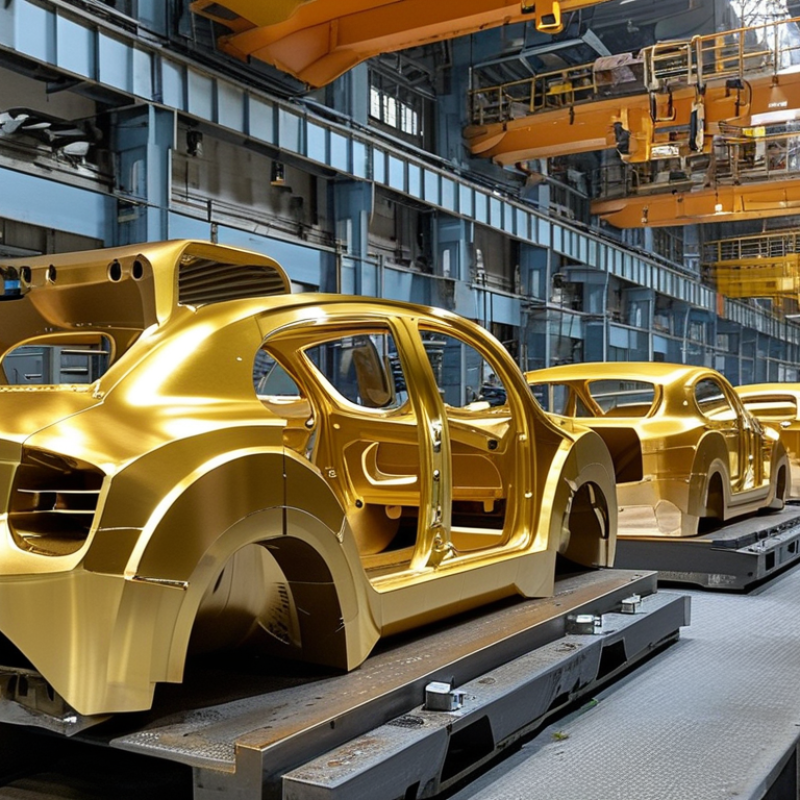
Investment casting is a precise manufacturing process. It involves creating a wax pattern, coating it with a ceramic shell, and then melting the wax away. This results in a mold that can withstand high temperatures. The process allows for complex geometries and detailed designs. These attributes make investment casting popular in various industries.
Once the mold is ready, molten metal is poured into it. The metal fills every cavity, capturing the intricate details of the mold. After cooling, the shell is broken away, revealing the finished piece. However, challenges can arise. Some designs may not cast properly, leading to defects. This requires careful consideration during the design phase.
Understanding the intricacies of investment casting is essential for success. Each step, from pattern making to metal selection, impacts the final product. Even minor errors can lead to wasted materials and increased costs. Reflection on these processes can lead to improvements. Continuous learning and adaptation are key in this evolving field.
Bronze and brass are popular choices in OEM investment casting. These alloys offer numerous benefits that make them ideal for various applications. Bronze is known for its strength and corrosion resistance. This makes it perfect for marine and outdoor applications. Brass, on the other hand, excels in electrical conductivity and has good malleability. This means it can be easily shaped into complex designs.
Working with these metals can be rewarding. However, challenges may arise during the casting process. Maintaining the right temperature is crucial. Too high a temperature can lead to defects, while too low can cause incomplete molds. Careful temperature control ensures high-quality products.
Tips for success include experimenting with different alloy compositions. This can enhance the properties you need. Also, ensure your molds are designed with precision. Small design flaws can lead to significant issues during casting. Pay attention to these details to improve outcomes.
Bronze and brass components may require post-casting treatment, like polishing or surface coating. This enhances their aesthetic appeal and durability. These extra steps can add time and cost, yet they often result in superior final products.
When selecting an investment casting supplier, several key factors come into play. First, evaluate their expertise in bronze and brass materials. A supplier’s familiarity with these specific metals can enhance the quality of your components. Look for their experience in producing detailed designs. This can affect the functionality and aesthetics of your products.
Next, consider the technical capabilities of the supplier. Review their machinery and production processes. Advanced technology often leads to better precision and fewer defects. It's essential to assess their quality control measures too. This ensures consistency throughout the manufacturing process. Suppliers should have clear protocols for inspecting castings. Yet, while a supplier may claim high standards, reviewing real-world performance is crucial.
Communication is vital in this partnership. Clear lines of dialogue will help in addressing challenges. Also, inquire about their lead times and flexibility in meeting deadlines. A supplier should be able to adapt to changes without significant delays. While it’s easy to focus on price, understanding the overall value is significant. Sometimes, a lower price may indicate potential compromises. Keep these elements in mind, and be prepared for a thoughtful assessment of your options.
When considering the best OEM companies for bronze brass investment casting, it's essential to explore the expertise within this industry. These companies leverage advanced technologies to create intricate parts. They understand the complexities of working with bronze and brass alloys. This knowledge ensures high-quality production and durability in end products. Engineers and designers benefit from collaborating with specialists who grasp the nuances involved in casting processes.
Many OEMs focus exclusively on investment casting for bronze and brass. Their experience allows for innovative design solutions that reduce production costs. By using precision molds, these companies achieve superior surface finishes. However, not all providers maintain the same standards. Some may prioritize speed over quality, leading to potential issues. Companies must balance efficiency with attention to detail.
In today's market, selecting a reliable OEM is crucial. Look for companies that offer transparent communication and support throughout the process. Their willingness to adapt and refine designs reflects their commitment to quality. Working with established partners can lead to more reliable outcomes. Each project should be approached with a critical eye, evaluating both process and results.
As we look toward 2026, the future of bronze brass investment casting solutions is poised for significant transformation. The industry is shifting towards automation and digital technologies. Smart manufacturing techniques are increasingly critical. These advancements improve accuracy in production and reduce lead times.
Sustainability will also play a vital role. Manufacturers are exploring eco-friendly materials and processes. Recycling scrap metal is becoming more common. Embracing these practices can reduce waste and lower production costs. However, achieving sustainability requires constant assessment and adaptation.
Moreover, as global demand shifts, adaptability will be key. Companies must remain flexible to respond to market changes. Diversifying product offerings can help address unique customer needs. Making room for innovation will be essential for staying competitive. This adaptability might mean revisiting traditional methods and integrating new insights. Balancing innovation with reliability may challenge many manufacturers, but it’s a necessary struggle.
„Thanks to the LUVIR technology, the solder resist process could be switched directly from the previously used mask exposure to direct exposure. As an outstanding digital solution on the market, this technology has been able to demonstrate fast process times and superior quality on our certified conventional ink in production. This allowed us to fully digitize the solder mask process at low cost – without process or ink adjustments. An excellent benefit to our production in Rot am See.“
Ralf Göhringer (Head of Production WE Rot am See)
I would definitely recommend the Limata machine and team for a future company purchase
Michael Greenaway
Compunetics Inc.
“The Limata ldi has been amazing!! Best thing we did was buy this machine”
Richard Brady
GM
Circuitlabs
“Since 2019, we have been running the Limata X1000 LDI system (including LUVIR for solder mask imaging) in daily production as an addition to our current process with film. The machine was capable of properly exposing Taiyo PSR-4000 BN (DI) solder mask types on normal to high-copper boards using a new and unique direct imaging process. The machine operating interface is very user friendly which allowed for a quick technical training curve. The pre-registration processing reduced several seconds of production time at every print. Limata support and service staff is incomparable. They supported our team every step of the way at basically any time of the day or night, with literally, an immediate response time, customizing the software interface to best fit our Operations and needs.
We have exposed more than 8,000 prints since end of October, on various solder mask colors and some resist film panels. Limata, has proven to be very capable and innovative. They are a strong contender in the industry.
We have very much enjoyed this project, and working with the team!
Thank you Limata for the continued support and being a part of our growth.”
Bill Sezate
Vice President, GM
Summit Interconnect
As a replacement to our current contact exposure process with film, the LIMATA X2000 system including LUVIR-Technology was capable of properly exposing non-LDI solder mask types using a direct imaging process. The machine offers cutting edge software with a very intuitive operating interface which allowed for quick technician training curve. The dual drawer system combined with pre-registration processing reduced several seconds of production time at every machine cycle. Limata support and service staff is world class. They added software patches to keep production running at shortest possible response times, customized the software interface to best fit our in-house Operations system, and even wrote a step-by-step machine processing manual. As a result of the project, we have exposed more than 16,000 times on various product types and solder mask brands/colors. Limata, in a very short timeframe as a company, has definitely shown they are truly innovative and will be challenging the industry of direct imaging for the top spot.
Kevin Beattie
Process Engineer
TTM Technologies
Forest Grove Division
