In today's competitive market, selecting the right packaging film is crucial for any business. Packaging film protects products while enhancing brand visibility. Each type of film has unique properties, allowing businesses to choose according to their specific needs. A well-chosen film can improve shelf life and reduce waste.
However, not all options may suit your requirements. Businesses must evaluate various factors, including product type and storage conditions. For instance, certain films may offer barrier properties beneficial for food items, while others excel in durability for industrial applications.
Navigating the choices can be overwhelming. Mistakes in selection can lead to increased costs or compromised product integrity. It's essential to consider both short-term and long-term needs. An informed decision on packaging film can enhance a company’s reputation and customer satisfaction.
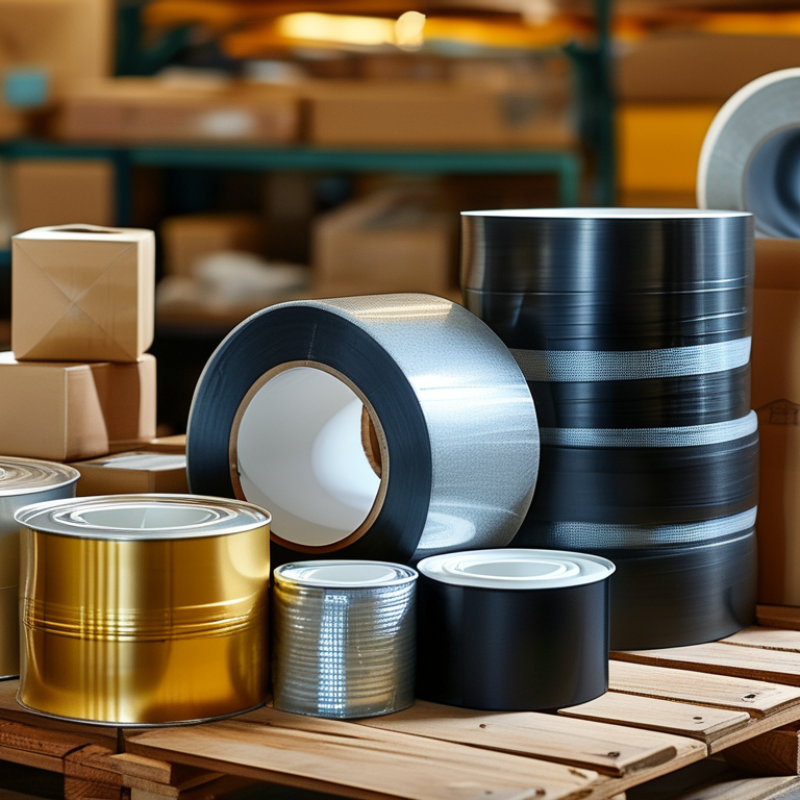
When choosing the right packaging film, understanding the various types available is crucial for your business. The market offers options like polyolefin, polyethylene, and PVC films. Each type has unique properties that cater to specific needs. Polyolefin films, for instance, are known for their strength and flexibility. Reports indicate that the demand for polyolefin films has increased by over 30% in the last five years due to their versatility.
Polyethylene films are another prevalent choice. Their excellent moisture barrier properties make them ideal for food packaging. Studies show that around 70% of food companies prefer polyethylene for its durability. On the other hand, PVC films offer an affordable alternative, but concerns about environmental impact often arise. This raises questions about sustainability.
While the variety of choices seems beneficial, the process requires careful consideration. Choosing the wrong film can lead to product spoilage or excessive waste. It's essential to balance cost-effectiveness with quality. Your decision should ideally align with both market trends and your specific application needs. The complexity of packaging films demands an informed decision-making approach.
When choosing packaging film for your business, it's essential to assess the pros and cons of each type. Polyethylene films offer excellent moisture resistance but may not be as strong as other options. They’re cost-effective, making them a popular choice for many industries. However, they may not provide the best barrier against odors or gases.
In contrast, polypropylene films are stronger and provide better clarity for display purposes. They are more heat-resistant and can be used in various applications, from food to electronics. The downside is that they are generally more expensive. Furthermore, some users find them less eco-friendly, which could be a critical consideration for environmentally-conscious businesses.
When selecting packaging materials, reflective questions can lead to better choices. Consider the specific needs of your products and how well the film type aligns with your goals. Understanding the limitations of each film is crucial. Try to gather feedback from your team or customers on what works best for them. This collaborative approach can reveal insights and areas for improvement you may not have considered initially. Always prioritize both functionality and sustainability to ensure responsible packaging choices.
When choosing packaging film for your business, several key factors come into play. The type of product you are packaging is crucial. Consider its weight and fragility. Heavier products may require thicker films that offer durability and strength. For fragile items, films with cushioning or protective qualities will ensure safe transport.
The environmental impact of packaging is also significant. Customers are increasingly aware of sustainability. Choosing biodegradable or recyclable films can improve your brand's image and attract eco-conscious consumers. Additionally, think about the film's barrier properties. Does it protect against moisture, odors, or light? This is vital for products that require a longer shelf life.
Cost is always a consideration. Cheap options may save money upfront but can lead to damaged goods and customer dissatisfaction. Finding a balance between quality and cost is essential for long-term success. The design of the packaging itself should not be overlooked. A well-designed film can enhance visibility on the shelves and provide essential branding. By carefully evaluating these factors, you can make informed choices that meet your business needs effectively.
Sustainability in packaging films has become a critical focus for businesses aiming to reduce environmental impact. Recent studies indicate that nearly 50% of consumers actively seek eco-friendly packaging options. It is essential to note that traditional plastic films are often not biodegradable, contributing significantly to global plastic pollution. Switching to sustainable alternatives can mitigate this issue, enhancing your business's reputation.
Recyclable and compostable films are gaining traction. Reports show that by 2025, the market for biodegradable packaging materials is projected to reach $400 billion. Companies are exploring plant-based films, which offer a renewable resource alternative. Such materials demonstrate similar protective qualities as conventional films. However, their performance in various applications may require further research.
Consider implementing these strategies to enhance sustainability. Educate your team on the benefits of eco-friendly films. Engage in partnerships with suppliers focused on sustainable practices. Monitor packaging waste and set measurable goals for reduction. Reflecting on community feedback can also provide insights into customer preferences. Transitioning to greener options may enhance brand loyalty, but navigating this shift remains a complex challenge requiring careful consideration.
Selecting the right packaging film for your business is essential for both functionality and cost. The balance between quality and budget can be challenging. Industry reports indicate that high-quality films can increase shelf life and improve product presentation. However, these benefits come at a higher upfront cost. A cost analysis reveals that businesses can save up to 30% by selecting mid-range packaging films without sacrificing performance.
When evaluating options, consider the material's durability, barrier properties, and environmental impact. Polyethylene and polypropylene films are popular choices. Data indicates that polyethylene films account for approximately 40% of the global market due to their versatility and cost-effectiveness. Yet, businesses should evaluate their long-term impact on the environment. Sustainable options may have a higher initial cost but can improve brand image and customer loyalty.
Here are a few practical points to consider. Assess the performance requirements before making a decision. Try testing various films in small batches to gauge compatibility. Cost savings can be misleading if the chosen film does not meet your standards. Experiment with different suppliers to find a balance. Focus on the total cost of ownership, not just the purchase price.
„Thanks to the LUVIR technology, the solder resist process could be switched directly from the previously used mask exposure to direct exposure. As an outstanding digital solution on the market, this technology has been able to demonstrate fast process times and superior quality on our certified conventional ink in production. This allowed us to fully digitize the solder mask process at low cost – without process or ink adjustments. An excellent benefit to our production in Rot am See.“
Ralf Göhringer (Head of Production WE Rot am See)
I would definitely recommend the Limata machine and team for a future company purchase
Michael Greenaway
Compunetics Inc.
“The Limata ldi has been amazing!! Best thing we did was buy this machine”
Richard Brady
GM
Circuitlabs
“Since 2019, we have been running the Limata X1000 LDI system (including LUVIR for solder mask imaging) in daily production as an addition to our current process with film. The machine was capable of properly exposing Taiyo PSR-4000 BN (DI) solder mask types on normal to high-copper boards using a new and unique direct imaging process. The machine operating interface is very user friendly which allowed for a quick technical training curve. The pre-registration processing reduced several seconds of production time at every print. Limata support and service staff is incomparable. They supported our team every step of the way at basically any time of the day or night, with literally, an immediate response time, customizing the software interface to best fit our Operations and needs.
We have exposed more than 8,000 prints since end of October, on various solder mask colors and some resist film panels. Limata, has proven to be very capable and innovative. They are a strong contender in the industry.
We have very much enjoyed this project, and working with the team!
Thank you Limata for the continued support and being a part of our growth.”
Bill Sezate
Vice President, GM
Summit Interconnect
As a replacement to our current contact exposure process with film, the LIMATA X2000 system including LUVIR-Technology was capable of properly exposing non-LDI solder mask types using a direct imaging process. The machine offers cutting edge software with a very intuitive operating interface which allowed for quick technician training curve. The dual drawer system combined with pre-registration processing reduced several seconds of production time at every machine cycle. Limata support and service staff is world class. They added software patches to keep production running at shortest possible response times, customized the software interface to best fit our in-house Operations system, and even wrote a step-by-step machine processing manual. As a result of the project, we have exposed more than 16,000 times on various product types and solder mask brands/colors. Limata, in a very short timeframe as a company, has definitely shown they are truly innovative and will be challenging the industry of direct imaging for the top spot.
Kevin Beattie
Process Engineer
TTM Technologies
Forest Grove Division
