In 2026, the global market for Packaging Labels is projected to reach approximately $50 billion, according to industry reports. This significant growth highlights the essential role of packaging labels in modern commerce. Packaging labels serve as vital communication tools, providing consumers with crucial information about products. They help in branding and ensure compliance with regulations.
However, not all packaging labels are created equal. The demand for sustainable and innovative packaging solutions is increasing. A report by Smithers Pira suggests that eco-friendly labels could account for over 30% of the market share by 2026. Yet, many brands still grapple with sourcing these sustainable materials reliably.
The challenge lies in balancing aesthetics and functionality. Labels must attract consumers while delivering essential details. Companies often face difficulties in choosing the right materials that meet both aesthetic needs and sustainability goals. This ongoing dilemma illustrates the complexity of navigating the packaging labels landscape. As we approach 2026, understanding these dynamics will be crucial for global buyers.
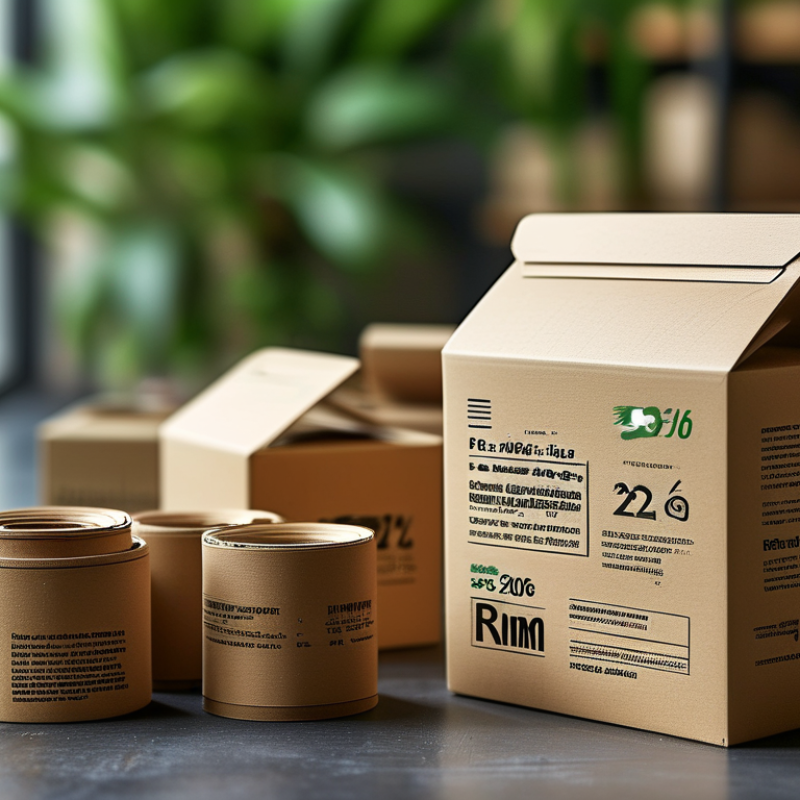
In 2026, global packaging labels will undergo significant changes, driven by sustainability and technology. Reports indicate that sustainable packaging will dominate market preferences. According to a recent study, over 70% of consumers prioritize eco-friendly labels. This trend reflects a broader shift towards reducing waste and promoting recyclability.
Digital printing technology will reshape label production. It enables customization and on-demand printing, optimizing costs and reducing excess inventory. The global market for digital labels is expected to grow by 15% annually, showcasing the rising demand for personalized packaging solutions. With advanced printing, brands can easily adapt to changing trends, which is crucial for market success.
**Tip:** Consider integrating QR codes into your labels. They enhance consumer engagement and provide traceability for sustainable claims. Moreover, keep design simple yet informative. Clarity matters to buyers. The challenge remains balancing creativity with compliance and clarity. Always seek feedback on your designs.
Another area to watch is the rise of smart labels. These labels contain RFID technology that improves inventory tracking and enhances consumer experience. However, implementation can be costly. Companies must weigh these costs against potential long-term benefits. Continuing to innovate while assessing market viability will be key for brands navigating the evolving landscape of packaging labels.
When selecting packaging labels for global buyers in 2026, key features are critical. The global packaging label market is projected to reach $50 billion by 2026, according to market research reports. This growth reflects the increased demand for effective branding and communication.
Durability is essential. Packaging labels must withstand various environmental conditions. Reports indicate that 40% of consumers prioritize labels that are resistant to moisture and UV light. Another aspect is clarity. Labels should convey information effectively and be easily readable. Studies show that 65% of consumers prefer simple, straightforward designs.
Sustainability has also become a priority. Many buyers seek eco-friendly materials. In a recent survey, 70% of consumers stated they would choose products with sustainable packaging labels. However, the transition to sustainable practices is often challenging for manufacturers. Balancing cost and effectiveness can be tricky. Companies must reflect on how to innovate while meeting buyer needs. Integrating all these features can lead to a competitive edge in the market.
In 2026, sustainability in packaging labeling will be paramount for global buyers. A recent study by Smithers Pira indicates that 75% of consumers prefer sustainable packaging. This growing demand reflects an awareness of environmental issues, pushing brands to adopt greener practices. Labels made from recycled materials and using eco-friendly inks are increasingly seen as a reflection of a company's values.
However, achieving sustainability is fraught with challenges. The market for sustainable labels is forecasted to reach $30 billion by 2026, yet sourcing truly eco-friendly materials remains complex. Many brands struggle with transparency in their supply chains. There's a limited understanding of which materials are genuinely sustainable. This disconnect can undermine consumer trust and commitment.
Moreover, while many brands now use biodegradable labels, the effectiveness and longevity of these products are often debated. Some labels may not break down as intended in diverse environments, raising questions about their true impact. The path toward sustainability is not straightforward and requires continuous learning and adaptation from all stakeholders involved.
The packaging label industry is rapidly evolving, driven by technological innovations. In 2026, advancements in materials and printing techniques will play a crucial role. According to recent market reports, the global label market is projected to reach $50 billion by 2026. This growth is fueled by the demand for sustainable packaging solutions.
Biodegradable and recyclable materials are becoming common. More brands are opting for eco-friendly options to meet consumer demands. A study showed that 70% of consumers prefer sustainable packaging. Innovations such as digital printing are enhancing customization. Brands can now create unique labels at lower costs and faster turnaround times.
Despite the progress, challenges remain. The transition to sustainable materials can be costly. Not all companies can afford these changes. Additionally, quality control in digital printing still needs improvement. Flaws in labels can lead to wasted materials. As the industry moves forward, addressing these issues will be essential for sustained growth.
| Label Type | Material | Print Technology | Eco-friendliness | Key Features |
|---|---|---|---|---|
| Pressure-sensitive Labels | Paper, Plastic | Digital Printing | Recyclable | Quick application, High-quality graphics |
| Shrink Sleeves | PVC, PETG | Flexographic Printing | Biodegradable options available | Full-body coverage, 360-degree graphics |
| In-mold Labels | Polypropylene | Thermal Transfer Printing | Recyclable, Lightweight | Durable, Scratch-resistant |
| Paper Labels | Recycled paper | Offset Printing | 100% recyclable | Cost-effective, Simple elegance |
| Smart Labels | Plastic, Paper | Inkjet Printing | Possible eco-friendly materials | RFID technology, Track and trace capability |
In 2026, global packaging labels face stricter compliance and regulatory standards. These regulations ensure that products meet safety and quality benchmarks. Adhering to these guidelines is essential for businesses aiming to penetrate international markets. Failure to comply can lead to significant penalties and lost opportunities.
Countries differ widely in their labeling requirements. For instance, nutritional information must be clearly stated, while language specifics can pose challenges. Businesses must invest time in understanding these nuances. Continuous updates to regulations mean that labels must evolve. Regular audits of packaging practices are crucial. Are organizations staying informed of the latest requirements?
Flexibility in label design is key. It allows businesses to adapt quickly to changing regulations. This approach helps avoid costly reprints and delays in product launch. Embracing transparency creates trust with consumers. Ultimately, a proactive stance on compliance can enhance brand reputation. However, the constant shifting landscape can be overwhelming for many companies. Reflection on current practices is necessary to navigate this complex environment successfully.
„Thanks to the LUVIR technology, the solder resist process could be switched directly from the previously used mask exposure to direct exposure. As an outstanding digital solution on the market, this technology has been able to demonstrate fast process times and superior quality on our certified conventional ink in production. This allowed us to fully digitize the solder mask process at low cost – without process or ink adjustments. An excellent benefit to our production in Rot am See.“
Ralf Göhringer (Head of Production WE Rot am See)
I would definitely recommend the Limata machine and team for a future company purchase
Michael Greenaway
Compunetics Inc.
“The Limata ldi has been amazing!! Best thing we did was buy this machine”
Richard Brady
GM
Circuitlabs
“Since 2019, we have been running the Limata X1000 LDI system (including LUVIR for solder mask imaging) in daily production as an addition to our current process with film. The machine was capable of properly exposing Taiyo PSR-4000 BN (DI) solder mask types on normal to high-copper boards using a new and unique direct imaging process. The machine operating interface is very user friendly which allowed for a quick technical training curve. The pre-registration processing reduced several seconds of production time at every print. Limata support and service staff is incomparable. They supported our team every step of the way at basically any time of the day or night, with literally, an immediate response time, customizing the software interface to best fit our Operations and needs.
We have exposed more than 8,000 prints since end of October, on various solder mask colors and some resist film panels. Limata, has proven to be very capable and innovative. They are a strong contender in the industry.
We have very much enjoyed this project, and working with the team!
Thank you Limata for the continued support and being a part of our growth.”
Bill Sezate
Vice President, GM
Summit Interconnect
As a replacement to our current contact exposure process with film, the LIMATA X2000 system including LUVIR-Technology was capable of properly exposing non-LDI solder mask types using a direct imaging process. The machine offers cutting edge software with a very intuitive operating interface which allowed for quick technician training curve. The dual drawer system combined with pre-registration processing reduced several seconds of production time at every machine cycle. Limata support and service staff is world class. They added software patches to keep production running at shortest possible response times, customized the software interface to best fit our in-house Operations system, and even wrote a step-by-step machine processing manual. As a result of the project, we have exposed more than 16,000 times on various product types and solder mask brands/colors. Limata, in a very short timeframe as a company, has definitely shown they are truly innovative and will be challenging the industry of direct imaging for the top spot.
Kevin Beattie
Process Engineer
TTM Technologies
Forest Grove Division
