In the rapidly evolving global market, the selection of high-quality Pipe Fittings is crucial for various industries. As we approach 2026, buyers face a multitude of choices. However, finding the right supplier in China can be overwhelming. The landscape is filled with numerous manufacturers, each claiming to offer the best products.
Pipe fittings serve as essential components in plumbing and industrial applications. They play a vital role in ensuring the integrity of systems. Quality control and material specifications are paramount. Buyers must consider factors such as durability, resistance to corrosion, and affordability. It's not just about cost; reliability is key.
Global buyers need expertise to navigate this complex market. Recommendations from industry experts can aid in making informed decisions. Engaging with seasoned professionals can also help identify potential pitfalls. Evaluating the reputation of suppliers becomes essential. Ultimately, research and due diligence will separate the exceptional from the subpar in the realm of pipe fittings.
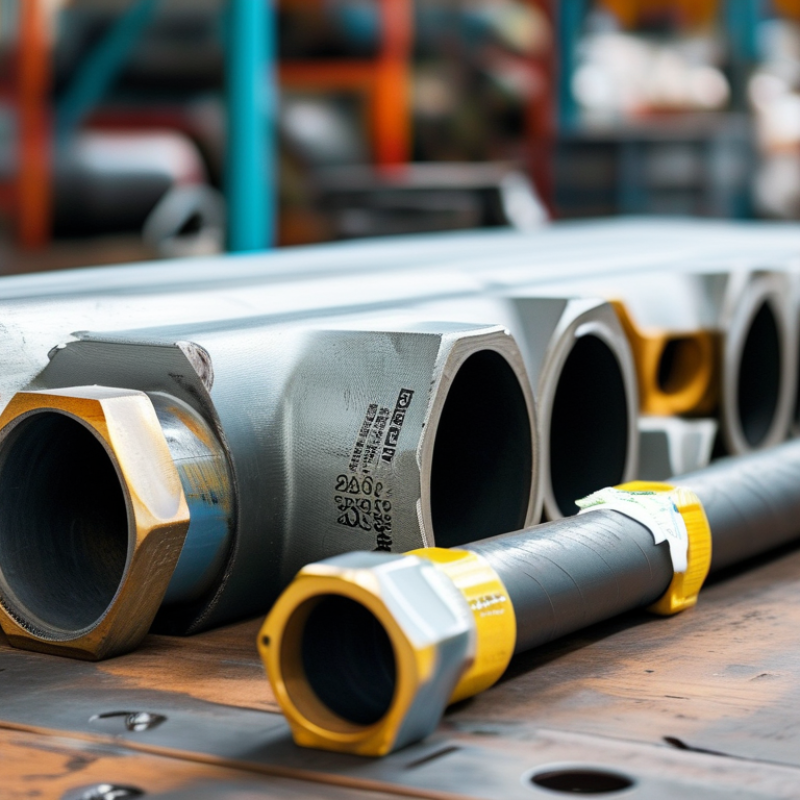
The global demand for pipe fittings is expected to reach $74.1 billion by 2026, according to a recent market analysis. China plays a crucial role in this industry. Chinese manufacturers are pivotal for supplying high-quality pipe fittings worldwide. Their products cover various types, including elbows, tees, and reducers, made from steel, plastic, and other materials.
Experts indicate that quality control and innovation are at the forefront of success for pipe fitting manufacturers. In 2023, over 20% of manufacturers reported investing significantly in technology to enhance production efficiency. This commitment to quality and rapid adaptation can lead to better competitiveness. However, the industry still faces challenges, such as environmental concerns and fluctuating raw material costs, which can impact pricing and availability.
Sustainability is now a major focus among manufacturers. Reports indicate that nearly 30% are developing eco-friendly alternatives. Yet, not all manufacturers prioritize these initiatives equally. Global buyers should be cautious, ensuring that suppliers adhere to stringent environmental regulations. The variation in compliance could affect supply chains and ultimately, project costs.
| Category | Material | Size Range (inches) | Standard Compliance | Average Price (USD) | Supplier Rating (out of 5) |
|---|---|---|---|---|---|
| Elbows | Steel | 1" - 12" | ANSI/ASME B16.9 | 5.50 | 4.8 |
| Tees | PVC | 0.5" - 6" | ASTM D1784 | 3.20 | 4.5 |
| Reducers | Brass | 1" - 6" | BS 864 | 4.00 | 4.6 |
| Flanges | Stainless Steel | 1" - 24" | ANSI/ASME B16.5 | 7.50 | 4.9 |
| Caps | HDPE | 1" - 12" | ISO 4427 | 2.50 | 4.7 |
China's influence in the global pipe fittings market is significant and growing. In 2022, China's market share reached 32%, reflecting strong export capabilities. The country produces a wide range of pipe fittings including flanges, elbows, and valves, catering to various industries such as oil and gas, construction, and water supply. A report by Market Research Future indicates that the global pipe fittings market will witness a compound annual growth rate (CAGR) of 6.5% from 2023 to 2028. Thus, China's role will likely expand further.
Tips: Quality control is essential when selecting suppliers. Ensure they have international certifications to meet standards.
The trend toward sustainability is reshaping the market. Many global buyers are looking for eco-friendly materials and manufacturing processes. A recent survey showed that 48% of buyers prioritize sustainability in their purchasing decisions. Moreover, digital transformation is revolutionizing supply chains. Companies are increasingly using AI and big data for inventory management.
Tips: Be proactive in seeking suppliers who invest in sustainable practices. This can enhance your brand's reputation and customer loyalty.
When sourcing pipe fittings in China, understanding quality standards is crucial. Chinese manufacturers often adhere to various certifications ensuring reliability. The most recognized standards include ISO 9001, ANSI, and ASME. These certifications indicate a manufacturer’s commitment to quality management and production consistency.
Testing is another essential aspect. Pipe fittings undergo rigorous evaluations. Tests may include pressure tests, corrosion resistance checks, and durability assessments. These ensure that products meet safety and performance expectations. However, not all manufacturers may conduct the same level of testing. It's vital for buyers to verify these processes.
A focus on environmental impact has emerged. Some manufacturers are embracing sustainable practices, yet this is not universal. Buyers should look for eco-friendly certifications. These can reflect the company's commitment to reducing environmental footprints. As the market evolves, staying informed on these standards and practices will empower buyers to make better decisions.
Emerging technologies are reshaping the pipe fitting production landscape. Innovations in materials and manufacturing processes are setting new standards. For instance, the use of advanced polymers can enhance durability and reduce weight. These materials can withstand high temperatures and corrosive environments. Such advancements promise longer-lasting pipe fittings, essential for industries like construction and energy.
Automation is another crucial element. Smart manufacturing techniques streamline production lines, increasing efficiency. Robotics and AI can optimize workflows, reducing human error. Monitoring systems track production quality in real-time, ensuring each fitting meets strict standards. However, this reliance on technology also raises questions about workforce impact and skill requirements. Companies must adapt and train employees to work alongside these new tools.
Sustainable practices are becoming prevalent as well. Recycled materials are increasingly being used in the production process. This not only reduces waste but also lowers the carbon footprint. However, balancing sustainability with performance remains a challenge. Innovations should prioritize both environmental responsibility and product reliability. The future of pipe fittings will likely be shaped by these dynamic advancements.
When sourcing pipe fittings in China, global buyers need to be strategic. The Chinese market has a robust supply chain, with reports indicating a projected annual growth rate of 5.2% in the pipe fitting sector by 2026. Understanding the landscape is crucial for effective supplier evaluation.
Buyers should focus on regional strengths. For instance, some provinces specialize in quality steel fittings, while others excel in PVC products. Evaluating suppliers based on certifications, production capacity, and past performance is vital. A 2023 industry report revealed that 78% of successful buyers prioritized supplier audits and on-site evaluations.
Tips: Always request technical specifications. This helps ensure compliance with international standards. Assess quality control measures in place. Regular inspections can prevent future quality issues. Consider negotiating terms that allow for flexibility in quantities, as market demands can fluctuate unpredictably.
„Thanks to the LUVIR technology, the solder resist process could be switched directly from the previously used mask exposure to direct exposure. As an outstanding digital solution on the market, this technology has been able to demonstrate fast process times and superior quality on our certified conventional ink in production. This allowed us to fully digitize the solder mask process at low cost – without process or ink adjustments. An excellent benefit to our production in Rot am See.“
Ralf Göhringer (Head of Production WE Rot am See)
I would definitely recommend the Limata machine and team for a future company purchase
Michael Greenaway
Compunetics Inc.
“The Limata ldi has been amazing!! Best thing we did was buy this machine”
Richard Brady
GM
Circuitlabs
“Since 2019, we have been running the Limata X1000 LDI system (including LUVIR for solder mask imaging) in daily production as an addition to our current process with film. The machine was capable of properly exposing Taiyo PSR-4000 BN (DI) solder mask types on normal to high-copper boards using a new and unique direct imaging process. The machine operating interface is very user friendly which allowed for a quick technical training curve. The pre-registration processing reduced several seconds of production time at every print. Limata support and service staff is incomparable. They supported our team every step of the way at basically any time of the day or night, with literally, an immediate response time, customizing the software interface to best fit our Operations and needs.
We have exposed more than 8,000 prints since end of October, on various solder mask colors and some resist film panels. Limata, has proven to be very capable and innovative. They are a strong contender in the industry.
We have very much enjoyed this project, and working with the team!
Thank you Limata for the continued support and being a part of our growth.”
Bill Sezate
Vice President, GM
Summit Interconnect
As a replacement to our current contact exposure process with film, the LIMATA X2000 system including LUVIR-Technology was capable of properly exposing non-LDI solder mask types using a direct imaging process. The machine offers cutting edge software with a very intuitive operating interface which allowed for quick technician training curve. The dual drawer system combined with pre-registration processing reduced several seconds of production time at every machine cycle. Limata support and service staff is world class. They added software patches to keep production running at shortest possible response times, customized the software interface to best fit our in-house Operations system, and even wrote a step-by-step machine processing manual. As a result of the project, we have exposed more than 16,000 times on various product types and solder mask brands/colors. Limata, in a very short timeframe as a company, has definitely shown they are truly innovative and will be challenging the industry of direct imaging for the top spot.
Kevin Beattie
Process Engineer
TTM Technologies
Forest Grove Division
