Reaction Injection Molding (RIM) has transformed the manufacturing landscape by enabling the production of lightweight, durable parts. As the market for RIM grows, it is projected to reach $6.5 billion by 2026, according to industry reports. This technology is particularly favored for its ability to create complex geometries with high precision. Companies across automotive, aerospace, and consumer goods sectors are increasingly adopting RIM techniques to enhance product performance and reduce costs.
Investments in RIM technology have led to innovations that address challenges such as material compatibility and cycle times. However, buyers must remain vigilant. Not all suppliers offer the same level of expertise or quality assurance. Some may promise rapid turnaround and cost-efficiency, but without proper evaluation, these claims can lead to subpar results. Understanding the nuances of the RIM process is essential for making informed purchasing decisions.
As the industry evolves, embracing best practices in Reaction Injection Molding becomes vital. Buyers should look for vendors with proven track records and a commitment to sustainability. Evaluating case studies and performance metrics from trusted sources will help in making prudent choices. This ensures that investments yield reliable and effective products while navigating the complexities of the manufacturing ecosystem.
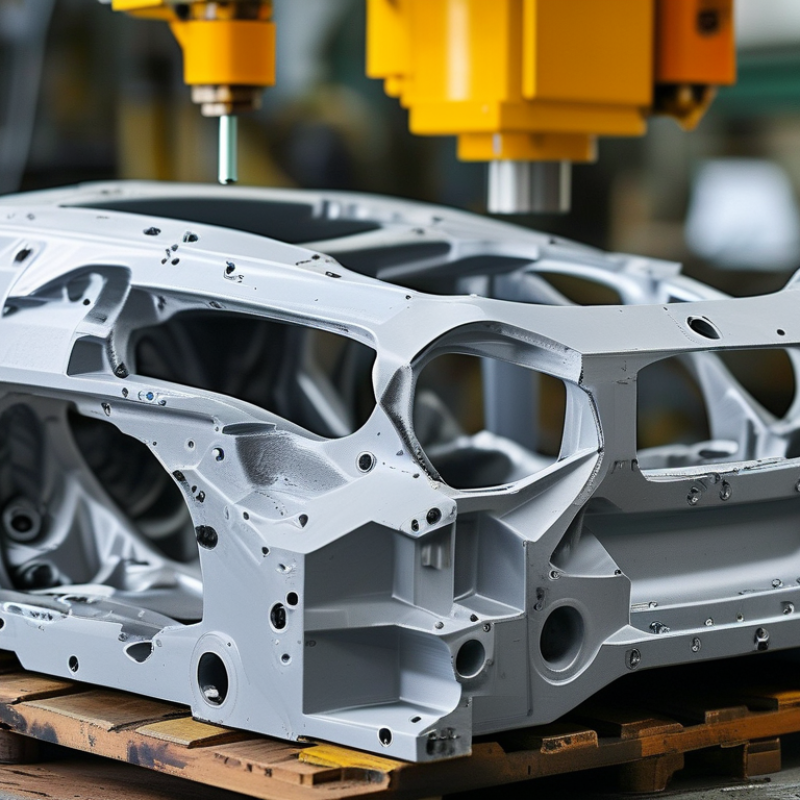
Reaction Injection Molding (RIM) is an innovative manufacturing technique. It combines two or more chemical components to create high-performance plastics. This method is suitable for producing large parts with complex geometries. Industries frequently use RIM for automotive, furniture, and durable consumer products. Its versatility allows for custom formulations, meeting various application requirements effectively.
When considering RIM, potential buyers should focus on key factors like material selection and processing parameters. Properly understanding the chemistry involved can significantly impact the final product. It's essential to consult with experts when determining the right resin and catalysts. Monitoring the curing process is crucial. A slight variation can lead to defects in the final product. Fine-tuning these variables can be a game changer in production outcomes.
Pay attention to the design of molds. Molds can influence not only production speed but also surface finish. Ensure the mold design accommodates the desired aesthetics and functionality. A well-designed mold can reduce production costs and time. It is also important to regularly review and test prototypes. This iterative process can reveal unexpected challenges, allowing for improvements before full-scale production begins.
Reaction injection molding (RIM) offers numerous advantages in manufacturing processes. One key benefit is its flexibility in material selection. RIM accommodates various polymers, including polyurethanes and thermosetting plastics. This allows manufacturers to create products with tailored properties, such as enhanced durability or specific aesthetic qualities. Additionally, RIM enables the production of large and complex shapes, something traditional molding techniques struggle with.
The efficiency of RIM also stands out. The process typically requires less energy and time compared to other molding methods. This translates to cost savings for manufacturers. However, the initial setup can be complex, requiring specialized equipment and expertise. Some may find this a barrier to entry. Yet, the long-term benefits, such as reduced production costs and improved material performance, often outweigh the challenges.
RIM's capability for fast production rates is an essential aspect for high-demand industries. Businesses can scale up production quickly while maintaining quality. But, it’s crucial to conduct thorough testing and quality assurance throughout the production cycle. Variations in raw materials can impact the final product. It's essential to strike a balance between speed and quality to fully realize the potential of reaction injection molding.
Reaction Injection Molding (RIM) is a sophisticated process that combines resin and hardener to create durable products. Understanding the step-by-step process can greatly enhance your sourcing decisions. Begin by selecting the right materials. The choice of polyurethanes or epoxies can significantly affect the final product's properties. Accurate measurements are crucial for a consistent mix.
Next, set up the machinery. The mixing ratio must be precise. Improper blending can lead to inconsistent quality. Once the machine is prepared, inject the mixture into the mold. This step requires attention, as premature hardening can occur if not monitored closely. Let the material cure, ensuring it's properly ventilated to avoid defects.
After cooling and hardening, demolding is the next phase. Care must be taken to avoid damaging the product. Inspect the final result closely. Some imperfections may not be apparent immediately. Routine checks are vital to improve future production cycles. Each step, although straightforward, poses its own challenges and learning opportunities.
Choosing the right Reaction Injection Molding (RIM) materials and tools is essential for product quality. According to recent industry reports, over 60% of manufacturing defects stem from improper material selection. Buyers must assess the application requirements, such as strength and flexibility, to optimize performance. Different materials can drastically impact the product's durability and finish.
When selecting RIM materials, consider their thermal properties. For instance, high heat resistance can be crucial for applications in automotive or aerospace industries. Moreover, understanding the processing capabilities of each material will enhance production efficiency. Pay attention to the source of your materials. Reliable suppliers often provide comprehensive technical data sheets and samples for evaluation.
Testing prototypes helps identify potential shortcomings. It's vital to conduct real-world tests before full production. Manufacturers often find that minor adjustments in material selection lead to significant improvements. Analyze the feedback thoroughly to avoid repeating mistakes. Regularly reviewing your tooling options can also elevate the quality of the final product. High-quality tooling reduces defects and extends the life of the equipment.
| Dimension | Details |
|---|---|
| Material Type | Polyurethane, Polyamide, and Polyester |
| Injection Pressure | 1000 - 3500 psi |
| Cycle Time | 1-5 minutes |
| Shrinkage Rate | 0.5% - 3% |
| Common Applications | Automotive parts, Medical devices, Consumer electronics |
| Temperature Resistance | -30°C to 120°C |
| Surface Finish Options | Glossy, Matte, Textured |
| Recommended Tools | RIM mixing machines, Molds, Heating elements |
As we move further into the 21st century, reaction injection molding (RIM) continues to evolve. These advancements are crucial for buyers seeking efficient manufacturing methods. Future trends indicate a shift towards more sustainable materials. Companies are increasingly interested in bio-based polyurethanes. This aligns with global sustainability goals. Buyers must consider how these materials impact production timelines and cost.
Automation is another significant trend in RIM technology. Automated systems can enhance precision and reduce human error. This results in higher quality products and faster turnaround times. However, implementing automation requires an upfront investment. Businesses need to evaluate the trade-offs involved. The learning curve for staff can also pose challenges.
In addition to materials and automation, customization is on the rise. There is a growing demand for tailored solutions that meet specific client needs. Adapting to this trend may require more flexible processes. Buyers should be prepared for the complexities that come with customization. Overall, staying updated on these trends is essential for informed purchasing decisions in RIM.
„Thanks to the LUVIR technology, the solder resist process could be switched directly from the previously used mask exposure to direct exposure. As an outstanding digital solution on the market, this technology has been able to demonstrate fast process times and superior quality on our certified conventional ink in production. This allowed us to fully digitize the solder mask process at low cost – without process or ink adjustments. An excellent benefit to our production in Rot am See.“
Ralf Göhringer (Head of Production WE Rot am See)
I would definitely recommend the Limata machine and team for a future company purchase
Michael Greenaway
Compunetics Inc.
“The Limata ldi has been amazing!! Best thing we did was buy this machine”
Richard Brady
GM
Circuitlabs
“Since 2019, we have been running the Limata X1000 LDI system (including LUVIR for solder mask imaging) in daily production as an addition to our current process with film. The machine was capable of properly exposing Taiyo PSR-4000 BN (DI) solder mask types on normal to high-copper boards using a new and unique direct imaging process. The machine operating interface is very user friendly which allowed for a quick technical training curve. The pre-registration processing reduced several seconds of production time at every print. Limata support and service staff is incomparable. They supported our team every step of the way at basically any time of the day or night, with literally, an immediate response time, customizing the software interface to best fit our Operations and needs.
We have exposed more than 8,000 prints since end of October, on various solder mask colors and some resist film panels. Limata, has proven to be very capable and innovative. They are a strong contender in the industry.
We have very much enjoyed this project, and working with the team!
Thank you Limata for the continued support and being a part of our growth.”
Bill Sezate
Vice President, GM
Summit Interconnect
As a replacement to our current contact exposure process with film, the LIMATA X2000 system including LUVIR-Technology was capable of properly exposing non-LDI solder mask types using a direct imaging process. The machine offers cutting edge software with a very intuitive operating interface which allowed for quick technician training curve. The dual drawer system combined with pre-registration processing reduced several seconds of production time at every machine cycle. Limata support and service staff is world class. They added software patches to keep production running at shortest possible response times, customized the software interface to best fit our in-house Operations system, and even wrote a step-by-step machine processing manual. As a result of the project, we have exposed more than 16,000 times on various product types and solder mask brands/colors. Limata, in a very short timeframe as a company, has definitely shown they are truly innovative and will be challenging the industry of direct imaging for the top spot.
Kevin Beattie
Process Engineer
TTM Technologies
Forest Grove Division
