As the global market evolves, choosing the right fasteners becomes crucial. Among these, Shoulder Screws stand out for their unique design and functionality. They provide superior load distribution and pivoting capabilities. This versatility makes them ideal for various applications, from machinery to electronics.
Understanding the best options available in 2026 is essential for foreign buyers. Different materials, finishes, and sizes are available. The right choice depends on specific project requirements. Often, customers overlook the significance of material quality. Without careful consideration, one may face issues like corrosion or inadequate strength.
These factors highlight the complexity of selecting Shoulder Screws. Engaging with experts in the field can enhance decision-making. Reliable suppliers provide crucial insights about durability and performance. Buyers must remain vigilant and proactive in their choices. This ensures their projects remain efficient and successful in a competitive landscape.
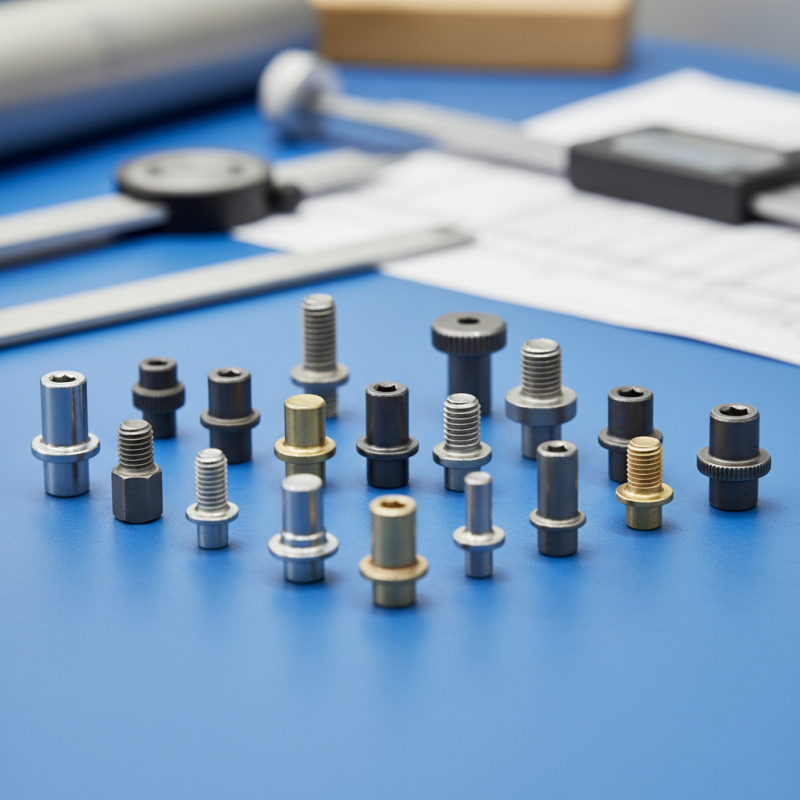
Shoulder screws play a crucial role in various industrial applications. These fasteners feature a shoulder section, providing a durable pivot point. This design makes them ideal for assembling components that require precise alignment. Industries such as automotive, aerospace, and machinery rely heavily on these screws for their performance.
Manufacturers often choose shoulder screws for their versatility. They can be used in hinge mechanisms, attachment points, and as dowels. However, selecting the right size and material is critical. An inappropriate choice can lead to mechanical failures. Users sometimes overlook the importance of accurate specifications.
In the aerospace industry, for instance, shoulder screws endure extreme conditions. They must withstand high stress while maintaining integrity. Similarly, in machinery assembly, they must secure parts effectively without slipping. Each application demands careful consideration of the screw's properties. Recognizing these details is vital for ensuring overall stability in engineering projects.
When selecting shoulder screws for your projects, several key factors come into play. Material choice is crucial. You may need steel for strength or plastic for lightweight applications. Ensure the material suits your environment. Corrosion resistance matters when you are in a humid setting.
Dimensions should align with your use case. Measure the shoulder diameter and length accurately. An ill-fitting screw can lead to structural failure. Pay attention to thread type as well. A coarse thread might hold better in softer materials. However, a fine thread could provide a more secure fit in harder surfaces.
Quality is essential. Consider the manufacturing process and tolerances. Subpar screws can cause issues down the line. Look for reliable suppliers who maintain strict quality controls. Some buyers overlook the importance of these details. A bad choice may lead to project delays or increased costs. Think carefully about your selections.
When selecting shoulder screws, material choice significantly impacts performance and longevity. Stainless steel, for instance, is a popular option due to its corrosion resistance. This makes it suitable for various applications, especially in harsh environments. Yet, while it resists rust, it can be less durable under extreme stress.
Another dependable choice is carbon steel. Its strength is impressive, allowing for heavy loads. However, carbon steel is prone to rust without proper coating. This can be a drawback in humid conditions, requiring higher maintenance. Using this material means ensuring regular inspections for rust development.
In contrast, plastic shoulder screws offer lightweight advantages. They resist corrosion and are ideal for electrical applications. Still, they may not withstand high tensile loads, limiting their usage. Choosing the right material demands balancing strength and specific application needs. Being aware of each material's strengths and weaknesses helps guide the decision-making process effectively.
Choosing the right shoulder screws requires attention to detail. Different brands offer distinct advantages and features. When evaluating options, consider materials, load capacities, and finish types. Steel shoulder screws can provide high strength, while stainless steel options resist corrosion effectively.
Some brands emphasize precision manufacturing. Their tightly controlled production processes lead to consistent dimensions. However, even reputable brands can show variations in quality. Users should inspect samples for critical projects.
Availability is another aspect to consider. Some brands stock a wide variety, while others may have limited selections. This can impact project timelines. Responses from suppliers can vary, causing delays. Research and communication can help mitigate these issues, ensuring timely procurement of shoulder screws.
The global manufacturing landscape for shoulder screws is rapidly evolving. Innovations in materials and design are shaping the future. Manufacturers now focus on reducing weight while maintaining strength. This trend aligns with the industry's push for more efficient, high-performance components.
Sustainability is another key consideration. Companies are exploring eco-friendly materials and practices. This shift not only addresses environmental concerns but also caters to increasingly eco-conscious consumers. New production techniques, such as 3D printing, are becoming popular. They allow for greater customization and quicker turnaround times.
Despite these advancements, challenges remain. Quality control is critical, especially as designs become more complex. Ensuring consistent performance and reliability can be difficult. Additionally, the supply chain issues faced by many industries may affect availability. Manufacturers must stay adaptable to meet these challenges head-on.
| Material | Thread Diameter (mm) | Shoulder Length (mm) | Coating Type | Load Capacity (N) | Market Trend |
|---|---|---|---|---|---|
| Stainless Steel | 8 | 20 | Zinc Plated | 500 | Rising Demand |
| Carbon Steel | 10 | 25 | Black Oxide | 700 | Stable Prices |
| Aluminum | 6 | 15 | Anodized | 300 | Innovative Designs |
| Plastic | 5 | 10 | None | 150 | Eco-Friendly Materials |
„Thanks to the LUVIR technology, the solder resist process could be switched directly from the previously used mask exposure to direct exposure. As an outstanding digital solution on the market, this technology has been able to demonstrate fast process times and superior quality on our certified conventional ink in production. This allowed us to fully digitize the solder mask process at low cost – without process or ink adjustments. An excellent benefit to our production in Rot am See.“
Ralf Göhringer (Head of Production WE Rot am See)
I would definitely recommend the Limata machine and team for a future company purchase
Michael Greenaway
Compunetics Inc.
“The Limata ldi has been amazing!! Best thing we did was buy this machine”
Richard Brady
GM
Circuitlabs
“Since 2019, we have been running the Limata X1000 LDI system (including LUVIR for solder mask imaging) in daily production as an addition to our current process with film. The machine was capable of properly exposing Taiyo PSR-4000 BN (DI) solder mask types on normal to high-copper boards using a new and unique direct imaging process. The machine operating interface is very user friendly which allowed for a quick technical training curve. The pre-registration processing reduced several seconds of production time at every print. Limata support and service staff is incomparable. They supported our team every step of the way at basically any time of the day or night, with literally, an immediate response time, customizing the software interface to best fit our Operations and needs.
We have exposed more than 8,000 prints since end of October, on various solder mask colors and some resist film panels. Limata, has proven to be very capable and innovative. They are a strong contender in the industry.
We have very much enjoyed this project, and working with the team!
Thank you Limata for the continued support and being a part of our growth.”
Bill Sezate
Vice President, GM
Summit Interconnect
As a replacement to our current contact exposure process with film, the LIMATA X2000 system including LUVIR-Technology was capable of properly exposing non-LDI solder mask types using a direct imaging process. The machine offers cutting edge software with a very intuitive operating interface which allowed for quick technician training curve. The dual drawer system combined with pre-registration processing reduced several seconds of production time at every machine cycle. Limata support and service staff is world class. They added software patches to keep production running at shortest possible response times, customized the software interface to best fit our in-house Operations system, and even wrote a step-by-step machine processing manual. As a result of the project, we have exposed more than 16,000 times on various product types and solder mask brands/colors. Limata, in a very short timeframe as a company, has definitely shown they are truly innovative and will be challenging the industry of direct imaging for the top spot.
Kevin Beattie
Process Engineer
TTM Technologies
Forest Grove Division
