Efficient waste management is crucial for modern societies. "Sludge Dryer" technology plays a key role in processing wastewater by reducing its volume and weight. According to a recent report by the Environmental Protection Agency, over 13 million tons of sewage sludge are produced annually in the United States alone. This excess can lead to environmental hazards if not managed properly.
Dr. Emily Chen, an expert in waste management technology, notes, “Choosing the right sludge dryer can significantly change the efficiency of waste treatment facilities.” Her insights highlight the importance of selecting appropriate drying methods. Thermal drying and indirect drying are two popular options, each with its own pros and cons.
The effectiveness of a sludge dryer can depend on various factors, including energy consumption and material properties. Potential challenges in sludge management often arise from inconsistent sludge characteristics and operational costs. An optimized sludge dryer not only addresses these issues but can also enhance overall sustainability efforts in wastewater treatment plants. Thoughtful consideration of technology impacts the long-term success of waste management strategies.
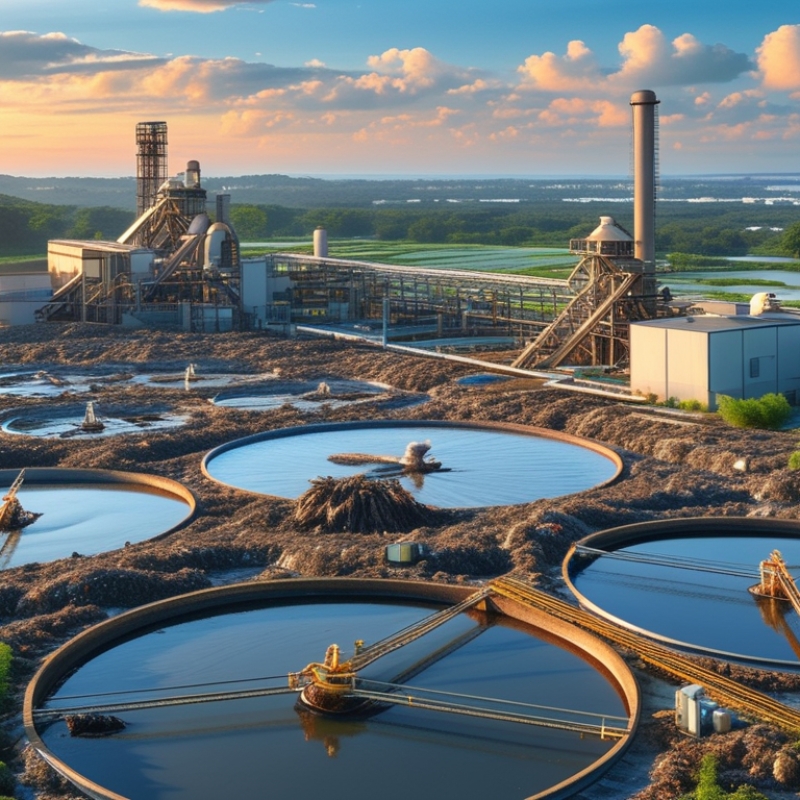
Sludge drying technologies play a crucial role in waste management. These methods increase the efficiency of waste treatment. Common techniques include solar drying, thermal drying, and composting. Each method has unique advantages and limitations. Understanding these differences can help in selecting the best option for specific situations.
Solar drying utilizes sunlight to evaporate water content. It is cost-effective and environmentally friendly. However, it depends heavily on weather conditions. Thermal drying, on the other hand, offers quick processing times. It reduces sludge volume significantly. Yet, this method often requires more energy, raising operational costs.
Tip: When evaluating different technologies, consider local climate conditions. This influences the efficiency of drying methods.
Another method, composting, helps in producing valuable organic matter. It uses microorganisms to break down organic material. This method improves soil quality but may require more space and time.
Tip: Assess available space and resources before committing to a specific drying option. Efficiency is key in waste management.
Evaluating sludge drying technologies is not straightforward. Each approach carries its own set of challenges and benefits. Weighing these factors carefully can lead to more informed decisions in waste management practices.
When selecting a sludge dryer for waste management, several key factors need careful consideration. The efficiency of the drying process is crucial. It directly impacts energy consumption and operational costs. A dryer that utilizes innovative drying technologies can maximize moisture removal while minimizing energy use. Understanding these technologies can enhance waste processing efficiency.
Another vital aspect is the capacity of the sludge dryer. It should align with your facility’s waste volume. Oversized units can lead to unnecessary expenses, while undersized units can create bottlenecks. Assess your current sludge output and may also consider future growth. This foresight could prevent potential operational hurdles down the line.
Safety features should not be overlooked either. A reliable sludge dryer must incorporate mechanisms to prevent overheating or system failures. Investing in robust safety measures can save money in the long run. Additionally, review the maintenance requirements of the dryer. Frequent repairs can disrupt operations and increase costs. Balancing all these factors will lead to better waste management outcomes.
When considering effective waste management, sludge dryers play a crucial role. These machines reduce the volume of sludge significantly, making it easier to handle. Among the various models available, their efficiency varies widely. Some may be faster but consume more energy, while others might be slower yet maintain lower operating costs.
A few top models stand out for their operational efficiency. They utilize advanced technologies to enhance drying rates and capture energy. This reduces the carbon footprint of waste processing. Ease of maintenance is another factor that distinguishes them. A reliable model with straightforward maintenance schedules can save time and money for operators.
However, not every model fits every situation. Local regulations, waste type, and facility size can influence the choice of a suitable sludge dryer. Users often grapple with the balance of initial investment versus long-term savings. Reflecting on feedback from users offers valuable insights into performance. It is worthwhile for buyers to thoroughly evaluate their specific needs before making a decision. Each facility's requirements are unique, and there is no one-size-fits-all solution.
Energy consumption is a critical factor when selecting a sludge dryer. Different dryers use varied methods to remove moisture from waste. Understanding these differences can lead to better choices for efficient waste management.
Heat-based dryers often consume significant energy. These systems rely on heating to evaporate water, which can be costly. However, emerging technologies are developing energy-efficient designs. For example, using waste heat can reduce overall energy costs.
**Tips:** Always analyze energy costs versus performance. Sometimes, the initial investment in a more efficient dryer pays off quickly. Regular maintenance can also improve efficiency and extend the lifespan of the dryer.
Comparative studies reveal that some dryers operate with lower energy signatures. Choosing the right technology is essential. While it may seem tempting to choose the cheapest option, other factors must be considered. A more efficient dryer can reduce operational costs in the long term.
**Tips:** Look for models with proven records of energy savings. User testimonials can offer insights into real-world performance. Don't just rely on specifications; ask about practical experiences from other users.
| Sludge Dryer Type | Capacity (kg/h) | Energy Consumption (kWh/kg) | Drying Efficiency (%) | Initial Investment (USD) | Operational Cost (USD/year) |
|---|---|---|---|---|---|
| Conventional Thermal Dryer | 100 | 2.5 | 85 | 200,000 | 30,000 |
| Indirect Dryer | 80 | 1.8 | 90 | 250,000 | 28,000 |
| Belt Dryer | 150 | 2.0 | 88 | 220,000 | 32,000 |
| rotary Dryer | 120 | 2.2 | 87 | 210,000 | 31,000 |
| Solar Dryer | 70 | 1.2 | 80 | 150,000 | 20,000 |
The landscape of sludge drying is evolving rapidly. Emerging technologies offer better efficiency and reduce environmental impact. Current statistics show that approximately 80% of wastewater treatment plants are looking to adopt innovative methods for sludge management. The focus is shifting towards energy-efficient systems that minimize emissions and enhance resource recovery.
A recent report highlights that thermal drying processes can cut sludge volume by up to 90%. This not only lowers disposal costs but also allows for valuable byproducts to be recovered. Additionally, advancements in mechanical dewatering techniques show promise. They can improve the quality of dried sludge, making it more suitable for applications like landscaping and agriculture. However, many facilities still face challenges in integrating these technologies, indicating a need for targeted training and support.
As we look ahead, digital solutions will also play a crucial role. Monitoring systems that leverage IoT technology are becoming more common. They can optimize drying processes in real time, further improving efficiency. While these trends are encouraging, industry professionals must remain vigilant. Regular assessments and feedback loops are essential to continuously improve these solutions and address potential limitations.
„Thanks to the LUVIR technology, the solder resist process could be switched directly from the previously used mask exposure to direct exposure. As an outstanding digital solution on the market, this technology has been able to demonstrate fast process times and superior quality on our certified conventional ink in production. This allowed us to fully digitize the solder mask process at low cost – without process or ink adjustments. An excellent benefit to our production in Rot am See.“
Ralf Göhringer (Head of Production WE Rot am See)
I would definitely recommend the Limata machine and team for a future company purchase
Michael Greenaway
Compunetics Inc.
“The Limata ldi has been amazing!! Best thing we did was buy this machine”
Richard Brady
GM
Circuitlabs
“Since 2019, we have been running the Limata X1000 LDI system (including LUVIR for solder mask imaging) in daily production as an addition to our current process with film. The machine was capable of properly exposing Taiyo PSR-4000 BN (DI) solder mask types on normal to high-copper boards using a new and unique direct imaging process. The machine operating interface is very user friendly which allowed for a quick technical training curve. The pre-registration processing reduced several seconds of production time at every print. Limata support and service staff is incomparable. They supported our team every step of the way at basically any time of the day or night, with literally, an immediate response time, customizing the software interface to best fit our Operations and needs.
We have exposed more than 8,000 prints since end of October, on various solder mask colors and some resist film panels. Limata, has proven to be very capable and innovative. They are a strong contender in the industry.
We have very much enjoyed this project, and working with the team!
Thank you Limata for the continued support and being a part of our growth.”
Bill Sezate
Vice President, GM
Summit Interconnect
As a replacement to our current contact exposure process with film, the LIMATA X2000 system including LUVIR-Technology was capable of properly exposing non-LDI solder mask types using a direct imaging process. The machine offers cutting edge software with a very intuitive operating interface which allowed for quick technician training curve. The dual drawer system combined with pre-registration processing reduced several seconds of production time at every machine cycle. Limata support and service staff is world class. They added software patches to keep production running at shortest possible response times, customized the software interface to best fit our in-house Operations system, and even wrote a step-by-step machine processing manual. As a result of the project, we have exposed more than 16,000 times on various product types and solder mask brands/colors. Limata, in a very short timeframe as a company, has definitely shown they are truly innovative and will be challenging the industry of direct imaging for the top spot.
Kevin Beattie
Process Engineer
TTM Technologies
Forest Grove Division
