In the competitive world of agriculture, selecting the right equipment is crucial. The choice of a Soybean Dryer can impact yield and profitability. According to Dr. Emily Carter, a renowned expert in agricultural technology, "The efficiency of a soybean dryer directly influences the quality of the harvest." This statement underscores the significance of making informed decisions.
Global buyers must carefully evaluate their options. Different models offer varying capacities, energy efficiencies, and drying times. Understanding local climates and storage capabilities is also essential. Consumers should consider specific needs rather than opting for the most expensive model.
As the industry evolves, innovation plays a vital role. Advanced features may include automated controls and energy-saving designs. However, not all innovations are applicable. Some technologies may be overly complex for smaller operations. Reflecting on these choices is key to making the best decision for your farming needs.
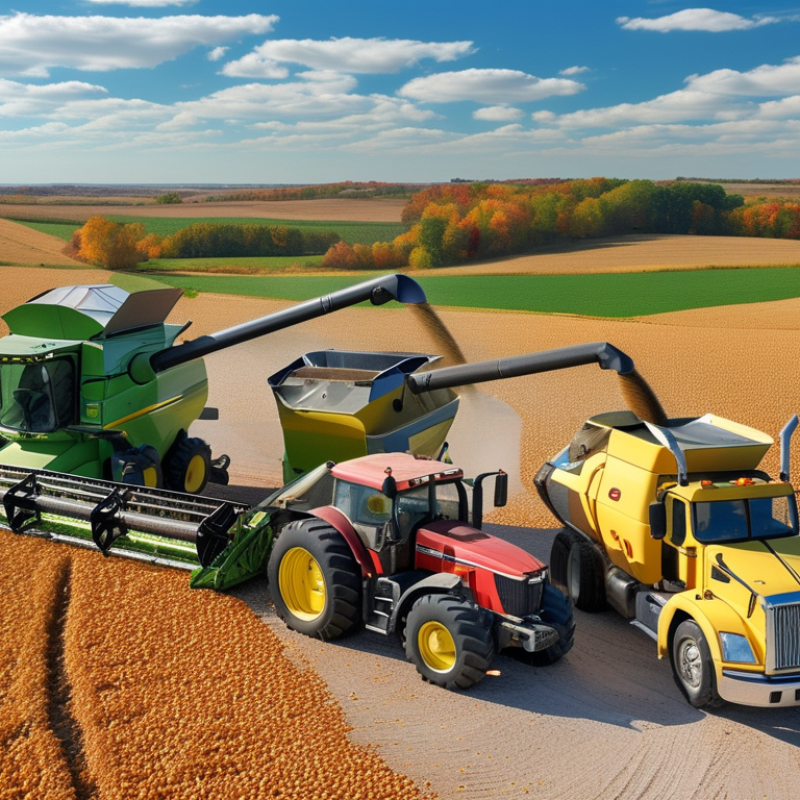
When exploring soybean dryers, various types cater to different needs and capacities. Common options include batch dryers, continuous flow dryers, and in-bin drying systems. Batch dryers are suitable for small to medium operations. They have the advantage of being less expensive and easier to manage. Continuous flow dryers work well for larger volumes and ensure a consistent drying process.
According to industry reports, the global soybean processing market is expected to reach $60 billion by 2025. Efficiency in drying impacts the whole process. Proper moisture levels critically affect the quality and shelf life of soybeans. With ideal moisture content around 13-14%, farmers should take extra care during drying.
Tips: Always assess your drying goals. Evaluate your equipment based on capacity and energy efficiency. Monitoring moisture regularly can help avoid spoilage and economic loss. Be cautious with over-drying, as it may reduce the market value of soybeans.
When selecting soybean dryers, several key features warrant attention. Efficiency is paramount. Look for dryers that can quickly reduce moisture content. This prevents spoilage and ensures optimal quality. Additionally, energy consumption should be considered. A dryer that operates with minimal energy saves costs in the long run.
Another crucial aspect is adaptability. A good soybean dryer should accommodate different sizes and types of beans. Flexibility in settings allows for various drying needs. Moreover, look for models with reliable temperature control. Maintaining consistent temperatures is essential for effective drying.
Lastly, consider the design and ease of maintenance. A user-friendly interface simplifies operation. Cleaning and servicing should not be cumbersome tasks. Dryers that are easy to maintain will have longer lifespans. Be cautious of complex models that may complicate repairs. Balancing these features can lead to a more thoughtful purchasing decision.
When considering soybean dryer options, efficiency and performance metrics become critical factors. Effective drying preserves the quality of soybeans and maximizes yield. Different models exhibit variations in drying capacities and energy consumption. Some dryers employ advanced technologies to enhance drying performance, ensuring that moisture levels are controlled tightly.
Performance metrics show that the most efficient dryers can handle various soybean moisture levels. Rapid drying can prevent spoilage, especially in humid climates. Look for models with adjustable settings, which cater to specific drying needs. A dryer that offers versatility can significantly impact operational efficiency over time.
Limitations exist in many models. For instance, energy consumption can vary widely, impacting long-term costs. Some units might not perform optimally in all conditions. Buyers should assess specific needs and conditions before committing. Reflecting on past performance can guide future purchases. Understanding the balance between efficiency, cost, and suitability is crucial for making informed decisions.
When considering soybean dryers, understanding the top manufacturers is crucial for global buyers. Industry data shows that quality equipment significantly influences drying efficiency and grain quality. A report from the Agricultural Engineering Journal indicates a 20-30% increase in drying efficiency for modern dryers compared to outdated models.
Many renowned brands focus on innovative designs. They incorporate user-friendly interfaces and energy-efficient technologies. These features not only enhance the drying process but also ensure reliability. Buyers often seek equipment that minimizes maintenance needs while maximizing performance. However, not all brands deliver on these promises, leading to potential challenges for users.
In the current market, several manufacturers stand out due to their extensive experience. Their longstanding presence often correlates with a better understanding of buyer needs. However, discrepancies in customer service can hinder overall user experiences. As buyers evaluate options, examining user reviews and expert insights becomes essential. Quality and reliability in soybean dryers are vital for farm profitability. Yet, some manufacturers still struggle to meet the evolving demands of the industry.
When selecting a soybean dryer, several factors should be considered. The moisture content of soybeans after harvest typically ranges from 13% to 15%. Drying is essential to prevent spoilage. Reports indicate that 5% moisture loss can significantly impact yield quality. Therefore, finding an effective drying system is crucial.
Efficiency is another key aspect. A dryer’s capacity must match your production needs. For instance, the industry standard for drying capacity can range from 10 to 30 tons per hour. However, some operations may face challenges in consistently achieving those rates. Energy efficiency is vital too, as inefficient systems can drive up operational costs significantly.
Stepping beyond just capacity and efficiency, consider the maintenance requirements. Some dryers need frequent troubleshooting. A reliable drying system should minimize downtime. Moreover, technology integration, such as moisture sensors, can enhance accuracy. But, technology can also become a double-edged sword if not managed effectively. Balancing these elements is essential for making a sound investment in your drying operation.
This bar chart displays the drying capacities of different types of soybean dryers in tons per hour. Buyers can use this information to select a dryer that best fits their operational needs based on capacity.
„Thanks to the LUVIR technology, the solder resist process could be switched directly from the previously used mask exposure to direct exposure. As an outstanding digital solution on the market, this technology has been able to demonstrate fast process times and superior quality on our certified conventional ink in production. This allowed us to fully digitize the solder mask process at low cost – without process or ink adjustments. An excellent benefit to our production in Rot am See.“
Ralf Göhringer (Head of Production WE Rot am See)
I would definitely recommend the Limata machine and team for a future company purchase
Michael Greenaway
Compunetics Inc.
“The Limata ldi has been amazing!! Best thing we did was buy this machine”
Richard Brady
GM
Circuitlabs
“Since 2019, we have been running the Limata X1000 LDI system (including LUVIR for solder mask imaging) in daily production as an addition to our current process with film. The machine was capable of properly exposing Taiyo PSR-4000 BN (DI) solder mask types on normal to high-copper boards using a new and unique direct imaging process. The machine operating interface is very user friendly which allowed for a quick technical training curve. The pre-registration processing reduced several seconds of production time at every print. Limata support and service staff is incomparable. They supported our team every step of the way at basically any time of the day or night, with literally, an immediate response time, customizing the software interface to best fit our Operations and needs.
We have exposed more than 8,000 prints since end of October, on various solder mask colors and some resist film panels. Limata, has proven to be very capable and innovative. They are a strong contender in the industry.
We have very much enjoyed this project, and working with the team!
Thank you Limata for the continued support and being a part of our growth.”
Bill Sezate
Vice President, GM
Summit Interconnect
As a replacement to our current contact exposure process with film, the LIMATA X2000 system including LUVIR-Technology was capable of properly exposing non-LDI solder mask types using a direct imaging process. The machine offers cutting edge software with a very intuitive operating interface which allowed for quick technician training curve. The dual drawer system combined with pre-registration processing reduced several seconds of production time at every machine cycle. Limata support and service staff is world class. They added software patches to keep production running at shortest possible response times, customized the software interface to best fit our in-house Operations system, and even wrote a step-by-step machine processing manual. As a result of the project, we have exposed more than 16,000 times on various product types and solder mask brands/colors. Limata, in a very short timeframe as a company, has definitely shown they are truly innovative and will be challenging the industry of direct imaging for the top spot.
Kevin Beattie
Process Engineer
TTM Technologies
Forest Grove Division
