In today's dynamic market, the importance of effective packaging cannot be understated. Squeeze tube packaging has emerged as a preferred choice for many products. Industry expert, Dr. Jane Thompson, states, "Squeeze tube packaging offers convenience and efficiency for both consumers and manufacturers." This statement reflects the growing trend towards practical packaging solutions.
Squeeze tube packaging is not just about aesthetics; it needs to function well. Users appreciate the ease of dispensing products without waste. For brands, the challenge lies in finding sustainable materials that do not compromise quality. Moreover, while the benefits are evident, some companies struggle with the cost of innovative designs. Balancing functionality with budget constraints can be tricky.
Exploring the best options for squeeze tube packaging remains crucial for product success. Brands must be mindful of consumer preferences and environmental impact. As the industry evolves, continued reflection on these factors will help shape the future of packaging. Ultimately, embracing the potential of squeeze tube packaging could redefine user experience and brand loyalty.
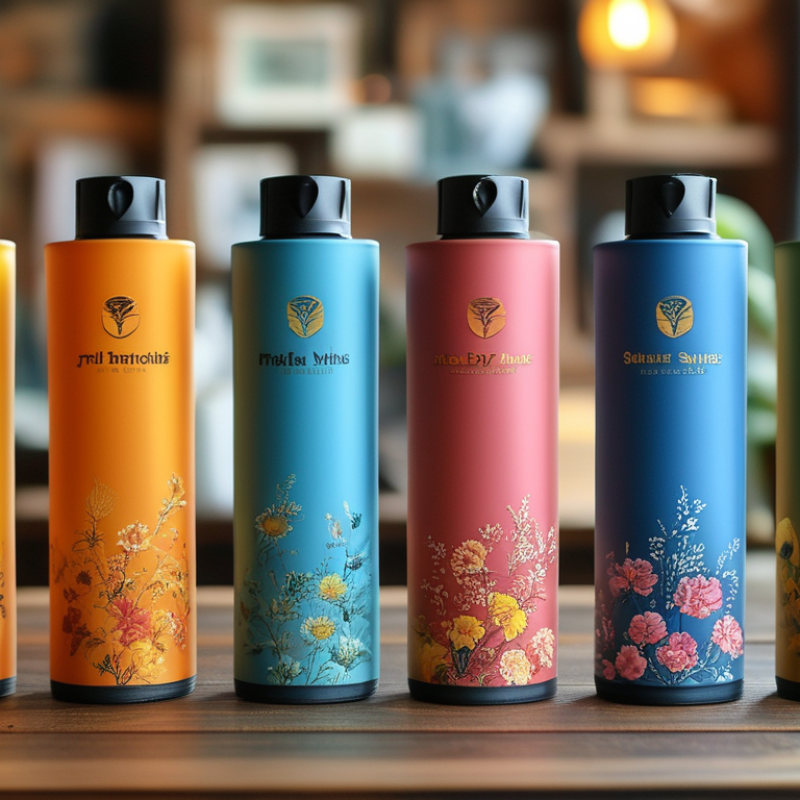
Squeeze tubes come in various materials, each offering unique benefits based on product needs. One common option is plastic, specifically polyethylene. This material is lightweight and flexible, making it ideal for applications requiring easy dispensing. Studies show that plastic squeeze tubes can reduce packaging waste by up to 30% compared to rigid containers.
Aluminum squeeze tubes provide another alternative. They are known for their superior barrier properties, protecting contents from moisture and light. This can extend product shelf life, a significant factor for consumers. According to a report from Smithers Pira, aluminum packaging options have grown by over 5% annually in the last few years, reflecting consumer preference for sustainability and freshness.
However, choosing the right material can be complex. While plastic offers versatility, it raises concerns about recyclability. On the other hand, aluminum may be perceived as premium but can be more expensive. Balancing cost, environmental impact, and product integrity is essential. Ultimately, each material presents trade-offs that require careful consideration.
When designing effective squeeze tube packaging, various considerations come into play. Material choice is crucial. Studies indicate that consumers prefer sustainable options, with 67% willing to pay more for environmentally friendly packaging. This drives brands to explore bioplastic and recyclable materials. However, the durability of these materials can sometimes fall short, leading to leaks or compromised product integrity.
The tube structure is another essential element. A well-designed squeeze tube should facilitate precise dispensing to minimize waste. According to recent reports, around 30% of products are wasted due to poor dispensing systems. Testing different nozzle sizes can enhance user experience while ensuring adequate control over the amount dispensed. A smaller nozzle may prevent excessive pouring but can frustrate users if too slow.
Tips: Always test prototypes thoroughly before going to market. Collect feedback from focus groups about usability. This might highlight design flaws or areas for improvement. Keep sustainability in mind, but ensure that your packaging does not sacrifice functionality. Balancing user satisfaction with eco-friendliness is a challenge worth addressing. Aim for an approachable design that invites consumers. Unexpected imperfections in the packaging might spark creativity in finding solutions.
Squeeze tubes are gaining popularity, but their environmental impact raises concerns. According to a 2022 survey by the Flexible Packaging Association, over 60% of consumers prefer sustainable packaging. Squeeze tubes are often made from plastic, and traditional production methods can be harmful. However, many manufacturers are exploring eco-friendly alternatives.
Biodegradable and recyclable materials are becoming common. A report from Smithers Pira indicates that the market for sustainable packaging will grow by 5.5% annually through 2025. Using materials that break down naturally reduces landfill waste. Brands that adopt these options appeal to environmentally conscious consumers. Still, challenges remain. Not all biodegradable materials perform well under various conditions.
Despite advancements, the industry still faces hurdles. Squeeze tubes can be difficult to recycle if they contain mixed materials. Less than 10% of plastic packaging is recycled globally. This inefficiency calls for improvements in design and consumer education. As companies evolve, their commitment to sustainability must reflect user expectations and environmental responsibilities.
Environmental Impact and Sustainability of Squeeze Tubes
| Type of Squeeze Tube | Material | Recyclability | Sustainability Rating | Impact on Environment |
|---|---|---|---|---|
| Plastic Squeeze Tube | HDPE | Yes | Moderate | Good durability, but plastic pollution concerns |
| Aluminum Squeeze Tube | Aluminum | Yes | High | High recyclability and lower carbon footprint |
| Biodegradable Squeeze Tube | PLA (Polylactic Acid) | Yes (compostable) | Very High | Reduces plastic waste, but needs industrial composting |
| Glass Squeeze Tube | Glass | Yes | Very High | Completely recyclable and reduces plastic usage |
| Hybrid Squeeze Tube | Mixed Materials | Limited | Low | Difficult to recycle, often ends up in landfills |
When analyzing the cost of different squeeze tube packaging options, the initial investment can vary significantly. Squeeze tubes typically range from $0.05 to $0.50 per unit, depending on material and design. A recent report from Smithers Pira indicates that plastic squeeze tubes are projected to grow at a CAGR of 5.5% over the next five years. This growth reflects their rising popularity in several industries, particularly cosmetics and personal care.
Material choice is crucial. Plastic tubes can be more affordable but may not offer the same premium feel as metal tubes. While metal tubes can cost more upfront, they often lead to higher customer satisfaction. A study by Euromonitor International shows that consumers are increasingly drawn to sustainable packaging, which can justify spending more on products in eco-friendly tubes. However, companies must carefully evaluate their target demographic to balance cost and perceived value.
When selecting packaging, consider custom designs. Unique shapes may enhance visibility but can increase production costs. Experimenting with different options can lead to unexpected insights. It’s essential to gather consumer feedback on packaging before making large orders. Testing market reactions can save costs in the long run. Always remember: what works for one product might not work for another. Evaluating your specific market niche is vital in making an informed decision.
When selecting the right squeeze tube size, consider your product's specific needs. According to recent industry reports, the global squeeze tube packaging market is projected to grow at a compound annual growth rate (CAGR) of around 4% from 2021 to 2028. This indicates a demand for various sizes and capacities, reflecting consumer preferences. Smaller tubes, typically ranging from 0.5 to 2 ounces, are ideal for travel-size products, which have become increasingly popular. These compact options cater to consumers who prioritize convenience.
Medium-sized squeeze tubes, usually between 3 to 6 ounces, often serve a wide range of applications. They work well for personal care products such as creams and lotions. However, brands may struggle with consumer perception. Many consumers might associate smaller tubes with premium products, while larger sizes can convey value. Understanding your target audience can help navigate these perceptions effectively.
A recent survey revealed that 30% of consumers prefer medium-sized tubes for their versatility. However, 20% still favor smaller options for travel or sampling. It's essential to balance size with the quantity needed. A tube that feels too small might frustrate customers, while an overly large one can lead to wastage. Testing different sizes with your audience can yield valuable insights.
„Thanks to the LUVIR technology, the solder resist process could be switched directly from the previously used mask exposure to direct exposure. As an outstanding digital solution on the market, this technology has been able to demonstrate fast process times and superior quality on our certified conventional ink in production. This allowed us to fully digitize the solder mask process at low cost – without process or ink adjustments. An excellent benefit to our production in Rot am See.“
Ralf Göhringer (Head of Production WE Rot am See)
I would definitely recommend the Limata machine and team for a future company purchase
Michael Greenaway
Compunetics Inc.
“The Limata ldi has been amazing!! Best thing we did was buy this machine”
Richard Brady
GM
Circuitlabs
“Since 2019, we have been running the Limata X1000 LDI system (including LUVIR for solder mask imaging) in daily production as an addition to our current process with film. The machine was capable of properly exposing Taiyo PSR-4000 BN (DI) solder mask types on normal to high-copper boards using a new and unique direct imaging process. The machine operating interface is very user friendly which allowed for a quick technical training curve. The pre-registration processing reduced several seconds of production time at every print. Limata support and service staff is incomparable. They supported our team every step of the way at basically any time of the day or night, with literally, an immediate response time, customizing the software interface to best fit our Operations and needs.
We have exposed more than 8,000 prints since end of October, on various solder mask colors and some resist film panels. Limata, has proven to be very capable and innovative. They are a strong contender in the industry.
We have very much enjoyed this project, and working with the team!
Thank you Limata for the continued support and being a part of our growth.”
Bill Sezate
Vice President, GM
Summit Interconnect
As a replacement to our current contact exposure process with film, the LIMATA X2000 system including LUVIR-Technology was capable of properly exposing non-LDI solder mask types using a direct imaging process. The machine offers cutting edge software with a very intuitive operating interface which allowed for quick technician training curve. The dual drawer system combined with pre-registration processing reduced several seconds of production time at every machine cycle. Limata support and service staff is world class. They added software patches to keep production running at shortest possible response times, customized the software interface to best fit our in-house Operations system, and even wrote a step-by-step machine processing manual. As a result of the project, we have exposed more than 16,000 times on various product types and solder mask brands/colors. Limata, in a very short timeframe as a company, has definitely shown they are truly innovative and will be challenging the industry of direct imaging for the top spot.
Kevin Beattie
Process Engineer
TTM Technologies
Forest Grove Division
