In today's global marketplace, selecting the right Steel Plate is crucial for various industries. Steel plates are essential for construction, manufacturing, and automotive sectors. As demand continues to rise, buyers must navigate options carefully.
Choosing the best steel plate involves understanding qualities, specifications, and sourcing options. There is a staggering number of suppliers worldwide, but not all deliver high-quality products. Buyers need to evaluate the material’s strength, durability, and resistance to corrosion.
Additionally, price competitiveness and availability play significant roles in decision-making. Some companies may offer attractive prices but compromise on quality. Researching and verifying suppliers is vital. It's easy to overlook these details in a fast-paced environment. This approach could lead to regrettable choices that affect project outcomes.
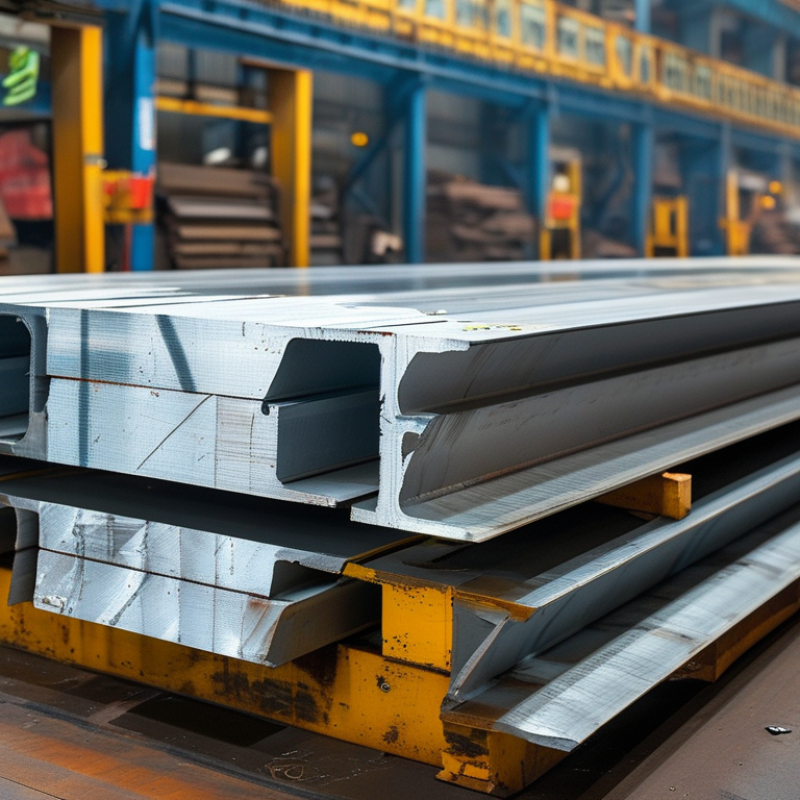
When selecting steel plate options, several key factors should be evaluated to ensure optimal suitability. The grade of steel is paramount. For example, ASTM A36 is commonly used for general structural purposes. It's versatile and cost-effective, suitable for a variety of applications. According to industry data, only 30% of buyers prioritize grade over other factors, which may lead to mismatches in project specifications.
Thickness and dimensions also play critical roles. Steel plates come in various thicknesses, often ranging from 1/8 inch to 12 inches or more. Substance and strength can vary dramatically with even slight changes in thickness. Research indicates that 45% of steel plate failures stem from incorrect specifications. Buyers must ensure that selected dimensions meet the needs of their specific projects.
Surface finish cannot be overlooked. Plates may require hot-rolled, cold-rolled, or surface treatment such as galvanization. Each finish impacts the plate's durability and appearance. Industry surveys reveal that an estimated 25% of fabricators experience issues due to inadequate surface preparation. Buyers should carefully assess how their chosen finish could influence the final application.
| Steel Type | Thickness (mm) | Width (mm) | Length (mm) | Grade | Applications | Price per Ton (USD) |
|---|---|---|---|---|---|---|
| Mild Steel | 10 | 1500 | 6000 | S235 | Manufacturing, Construction | 750 |
| Stainless Steel | 8 | 1200 | 3000 | 304 | Food Processing, Chemical Industries | 2000 |
| High Strength Steel | 12 | 2000 | 8000 | S460 | Heavy Machinery, Shipbuilding | 950 |
| Tool Steel | 6 | 1000 | 2500 | D2 | Toolmaking, Die Manufacturing | 3000 |
When exploring the types of steel plates available globally, buyers can benefit from understanding various attributes and applications. Steel plates are categorized mainly into carbon steel, alloy steel, and stainless steel. Each type has unique properties contributing to its performance in different sectors, such as construction, automotive, and shipbuilding.
Carbon steel plates dominate the market due to their broad availability and versatility. According to a recent report by the World Steel Association, carbon steel accounts for over 60% of the global steel production. These plates exhibit excellent weldability and formability. However, they may not perform well in corrosive environments without proper treatment.
Alloy steel plates provide enhanced strength and resistance to wear. Featuring elements like nickel, chromium, and molybdenum, these plates deliver durability. However, they can be more expensive than carbon steel. Stainless steel plates, known for their corrosion resistance, are essential in industries like food processing and pharmaceuticals. They ensure hygiene and longevity but typically have a higher upfront cost. Consideration of these factors is crucial for making informed decisions in sourcing steel plates.
When exploring the landscape of global steel plate suppliers, several key players emerge, each contributing uniquely to the market. Companies in this sector often have extensive experience and a deep understanding of the industry. They leverage expert knowledge to meet diverse buyer requirements. These suppliers understand the importance of producing high-quality steel plates for various applications, from construction to manufacturing.
The reliability of suppliers can vary significantly. Some might offer innovative steel products, while others could lag in quality control. Buyers need to critically assess supplier credentials, including certifications and production processes. Engaging with suppliers that prioritize transparency might yield better results, but discerning intentions can be challenging at times.
Additionally, logistics and shipping practices are crucial considerations. Suppliers who efficiently manage these aspects often stand out. Yet, fluctuating shipping costs can impact overall expenses. Buyers should remain cautious and budget accordingly. In a complex market, finding the right partner demands careful evaluation and a keen eye for detail.
When considering steel plate options, cost is often a primary concern for global buyers. Steel prices can fluctuate based on several factors, including raw material costs and market demand. It’s crucial to evaluate the total cost of ownership, not just the purchase price. Factors like shipping, handling, and processing can add significantly to your budget. Understanding these components will help you make informed decisions.
It’s also important to analyze the quality of steel plates in relation to their price. Cheaper plates might seem attractive but could compromise safety and durability. Assessing the specifications ensures that you're purchasing products that meet your project requirements. Furthermore, consider the long-term implications of choosing lower-quality materials. They may lead to unexpected expenses due to repairs or replacements.
Buyers should keep an eye on industry trends and pricing forecasts. This will aid in budgeting effectively. Investing time in market research can reveal potential bargains or emerging suppliers that might offer competitive prices. Such reflection can help shape a more strategic purchasing approach and lead to better financial outcomes in the long run.
This chart illustrates the average cost per ton for various types of steel plates used in global markets, allowing buyers to consider their options based on budget constraints.
When considering steel plate options, quality standards and certifications play a crucial role. Buyers must ensure that steel plates meet various industry requirements. This assurance often comes from well-known standards like ASTM, ISO, and EN. These frameworks evaluate the material properties essential for structural integrity.
Every certification provides a specific level of assurance. For instance, ASTM A36 guarantees a minimum yield strength, while ISO 9001 signifies a quality management system in manufacturing. Understanding these standards can be challenging. However, it's vital for buyers aiming for reliable products. They need to evaluate not only supplier claims but also the certifications of materials on offer.
Quality assurance is not just a checkbox. It reflects the manufacturer's commitment to excellence. In some cases, buyers may encounter discrepancies in certifications. This could lead to the use of substandard materials. Such situations demand careful scrutiny and possibly third-party verification. Investing time in understanding these quality dynamics can lead to better sourcing decisions.
„Thanks to the LUVIR technology, the solder resist process could be switched directly from the previously used mask exposure to direct exposure. As an outstanding digital solution on the market, this technology has been able to demonstrate fast process times and superior quality on our certified conventional ink in production. This allowed us to fully digitize the solder mask process at low cost – without process or ink adjustments. An excellent benefit to our production in Rot am See.“
Ralf Göhringer (Head of Production WE Rot am See)
I would definitely recommend the Limata machine and team for a future company purchase
Michael Greenaway
Compunetics Inc.
“The Limata ldi has been amazing!! Best thing we did was buy this machine”
Richard Brady
GM
Circuitlabs
“Since 2019, we have been running the Limata X1000 LDI system (including LUVIR for solder mask imaging) in daily production as an addition to our current process with film. The machine was capable of properly exposing Taiyo PSR-4000 BN (DI) solder mask types on normal to high-copper boards using a new and unique direct imaging process. The machine operating interface is very user friendly which allowed for a quick technical training curve. The pre-registration processing reduced several seconds of production time at every print. Limata support and service staff is incomparable. They supported our team every step of the way at basically any time of the day or night, with literally, an immediate response time, customizing the software interface to best fit our Operations and needs.
We have exposed more than 8,000 prints since end of October, on various solder mask colors and some resist film panels. Limata, has proven to be very capable and innovative. They are a strong contender in the industry.
We have very much enjoyed this project, and working with the team!
Thank you Limata for the continued support and being a part of our growth.”
Bill Sezate
Vice President, GM
Summit Interconnect
As a replacement to our current contact exposure process with film, the LIMATA X2000 system including LUVIR-Technology was capable of properly exposing non-LDI solder mask types using a direct imaging process. The machine offers cutting edge software with a very intuitive operating interface which allowed for quick technician training curve. The dual drawer system combined with pre-registration processing reduced several seconds of production time at every machine cycle. Limata support and service staff is world class. They added software patches to keep production running at shortest possible response times, customized the software interface to best fit our in-house Operations system, and even wrote a step-by-step machine processing manual. As a result of the project, we have exposed more than 16,000 times on various product types and solder mask brands/colors. Limata, in a very short timeframe as a company, has definitely shown they are truly innovative and will be challenging the industry of direct imaging for the top spot.
Kevin Beattie
Process Engineer
TTM Technologies
Forest Grove Division
