The demand for quality Uf Membrane solutions is rising globally. As industries look for reliable filtration methods, buyers must understand the options available. This technology has gained traction in wastewater treatment and drinking water purification.
Selecting the right Uf Membrane involves considering various factors, such as material, durability, and application. Each membrane type offers unique advantages. Understanding these differences is crucial for making informed decisions. Membrane efficiency varies, and poor choices can lead to complications.
Buyers need insights into reputable manufacturers as well. Experience and credibility are vital when evaluating suppliers. While many options exist, some may underdeliver. Researching user reviews enhances comprehension of product performance. In the evolving global market, leveraging knowledge about Uf Membrane is essential for successful purchasing.
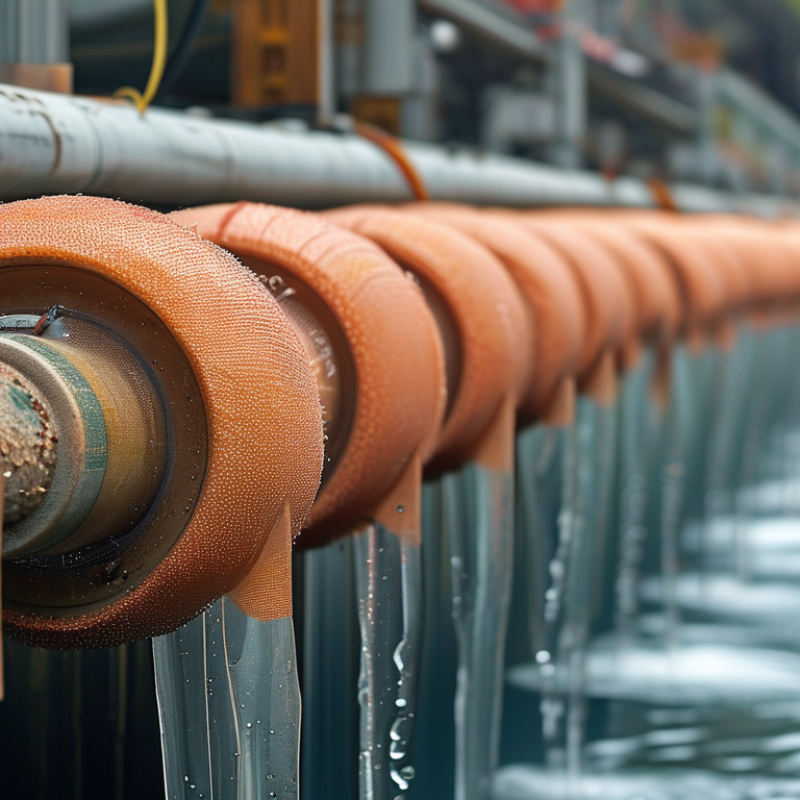
Ultrafiltration (UF) membrane technology plays a crucial role in various sectors, including water treatment and food processing. These membranes operate on a molecular level, allowing water and small solutes to pass while rejecting larger molecules and particles. Recent industry studies show that the global UF membrane market is expected to grow at a compound annual growth rate (CAGR) of around 8.7% from 2021 to 2028. This growth reflects the increasing demand for clean water and efficient processing in diverse applications.
In water purification, UF membranes effectively remove pathogens and suspended solids from source water. This capability is vital for municipal water treatment systems, where regulatory compliance is paramount. However, challenges remain. Membrane fouling is a common issue that can impact performance and lifespan. Industries report that maintaining optimal operating conditions is essential for minimizing fouling. Ongoing research focuses on developing membranes that resist fouling and improve overall efficiency.
In the food and beverage sector, UF membranes are employed for processes like juice concentration and dairy processing. They enhance product quality while reducing energy consumption. Nevertheless, the technology is not without limitations. The initial investment can be significant, and operators must regularly monitor performance. Continuous advancements in membrane materials and configurations are necessary to address these issues and maximize the potential of UF technology globally.
When selecting ultrafiltration (UF) membranes, several factors come into play. The membrane's material is crucial. Different materials offer various strengths and weaknesses. Polymeric membranes are common but may not withstand harsh conditions. In contrast, ceramic membranes provide excellent durability but can be cost-prohibitive.
Another important aspect is the membrane's pore size. This determines what contaminants can be filtered out. A smaller pore size typically provides better filtration. However, it may also lead to higher fouling rates. Users must balance effectiveness with maintenance needs. The operating temperature and chemical compatibility of the membrane should also align with the intended application. Ignoring these factors can lead to premature membrane failure.
Cost is often a key consideration but shouldn't be the only one. A lower initial price could translate to higher long-term expenses if the membrane fails frequently. Also, analyzing suppliers' reputations can be beneficial. Reliable suppliers often have better support and warranty options. Take time to delve into reviews and case studies. This analysis might reveal potential pitfalls before committing to a purchase.
Ultrafiltration (UF) membranes are vital in various industries, including water treatment and food processing. Global buyers seek reliable UF membrane manufacturers to ensure product quality and efficiency. Many manufacturers offer diverse products, each with specific features tailored to different applications. The best options often include membranes with enhanced permeability and durability, catering to the unique needs of various markets.
Leading manufacturers focus on innovation in material science. They create membranes using advanced polymers. Some membranes have uniform pore sizes, ensuring effective separation processes. Manufacturers often promote sustainability while maintaining high performance. However, not all products meet every buyer's needs. Some buyers may face challenges when selecting the right membrane. It’s crucial to assess the application requirements carefully to avoid purchasing incompatible products.
Buyers should also consider customer service and technical support from manufacturers. Strong support systems improve user experience and operational efficiency. When exploring UF membrane options, it is essential to look beyond just price. Exploring the specifications and intended uses can yield better long-term results. A thorough examination of available products can help buyers make informed decisions.
Ultrafiltration (UF) membranes have a pivotal role in various industries, including water treatment and food processing. A comparative analysis of UF membrane performance metrics reveals significant variances among membrane types. Key metrics include permeability, fouling resistance, and removal efficiency. According to the latest industry reports, membranes with high permeability reduce operational costs and enhance efficiency. For instance, studies show that membranes with a permeability of 50 LMH/bar outperform others significantly in operational settings.
Tips: When selecting UF membranes, always consider the feed water characteristics. This will impact the performance metrics and longevity of the membranes. Analysis suggests that membranes with a lower molecular weight cut-off are more effective for specific contaminants.
Fouling resistance remains a challenge. Membranes that are chemically resistant tend to perform better over time. However, they might also require higher initial investments. It's important to weigh the long-term savings against upfront costs. Recognizing potential shortcomings in fouling management can lead to better choices. Consider regularly monitoring and cleaning protocols for optimal membrane life.
Balancing cost and performance is crucial in selecting the right UF membrane globally.
The global market for ultrafiltration (UF) membranes is evolving rapidly. Recent trends indicate a surge in demand driven by the need for clean water and efficient separation processes. Industries such as pharmaceuticals, food and beverage, and wastewater treatment heavily rely on these membranes. Buyers must prioritize membranes with high selectivity and durability to meet regulatory standards.
As the market grows, new technologies emerge. Advanced materials are being developed to enhance performance. These innovations promise longer lifespans and lower operational costs. However, not all options will suit every application. Buyers should evaluate factors like flux rate, fouling resistance, and chemical compatibility. This deep understanding is essential for making informed choices.
Prospects for UF membranes look promising. Yet, some challenges remain. The supply chain for raw materials can be unpredictable. Additionally, regulatory changes may impact production and usage. Global buyers must navigate these complexities carefully. Investing in reliable suppliers and exploring emerging technologies can mitigate risks.
„Thanks to the LUVIR technology, the solder resist process could be switched directly from the previously used mask exposure to direct exposure. As an outstanding digital solution on the market, this technology has been able to demonstrate fast process times and superior quality on our certified conventional ink in production. This allowed us to fully digitize the solder mask process at low cost – without process or ink adjustments. An excellent benefit to our production in Rot am See.“
Ralf Göhringer (Head of Production WE Rot am See)
I would definitely recommend the Limata machine and team for a future company purchase
Michael Greenaway
Compunetics Inc.
“The Limata ldi has been amazing!! Best thing we did was buy this machine”
Richard Brady
GM
Circuitlabs
“Since 2019, we have been running the Limata X1000 LDI system (including LUVIR for solder mask imaging) in daily production as an addition to our current process with film. The machine was capable of properly exposing Taiyo PSR-4000 BN (DI) solder mask types on normal to high-copper boards using a new and unique direct imaging process. The machine operating interface is very user friendly which allowed for a quick technical training curve. The pre-registration processing reduced several seconds of production time at every print. Limata support and service staff is incomparable. They supported our team every step of the way at basically any time of the day or night, with literally, an immediate response time, customizing the software interface to best fit our Operations and needs.
We have exposed more than 8,000 prints since end of October, on various solder mask colors and some resist film panels. Limata, has proven to be very capable and innovative. They are a strong contender in the industry.
We have very much enjoyed this project, and working with the team!
Thank you Limata for the continued support and being a part of our growth.”
Bill Sezate
Vice President, GM
Summit Interconnect
As a replacement to our current contact exposure process with film, the LIMATA X2000 system including LUVIR-Technology was capable of properly exposing non-LDI solder mask types using a direct imaging process. The machine offers cutting edge software with a very intuitive operating interface which allowed for quick technician training curve. The dual drawer system combined with pre-registration processing reduced several seconds of production time at every machine cycle. Limata support and service staff is world class. They added software patches to keep production running at shortest possible response times, customized the software interface to best fit our in-house Operations system, and even wrote a step-by-step machine processing manual. As a result of the project, we have exposed more than 16,000 times on various product types and solder mask brands/colors. Limata, in a very short timeframe as a company, has definitely shown they are truly innovative and will be challenging the industry of direct imaging for the top spot.
Kevin Beattie
Process Engineer
TTM Technologies
Forest Grove Division
