In recent years, the practice of Blood rendering has gained significant attention in the meat and food processing industries. Blood rendering involves the collection and processing of blood from slaughtered animals. This process helps produce various products, including blood meal and gelatin. Experts, like Dr. Samuel Gray, a renowned figure in animal by-products, emphasize its importance. He stated, “Blood rendering is crucial for resource efficiency in our industry.”
The impact of blood rendering extends beyond waste management. It contributes to sustainability by utilizing resources that would otherwise go to waste. However, the process is not without its challenges. Concerns about hygiene, environmental effects, and consumer perceptions must be addressed. The industry faces scrutiny over how blood is sourced and transformed.
Moreover, blood rendering plays a pivotal role in the global food chain. It impacts protein availability and reduces environmental footprints. Yet, many still question the ethical implications of using animal blood. The industry needs to engage in open dialogue about these concerns while ensuring safety and transparency. Understanding blood rendering is essential for advancing food production practices.
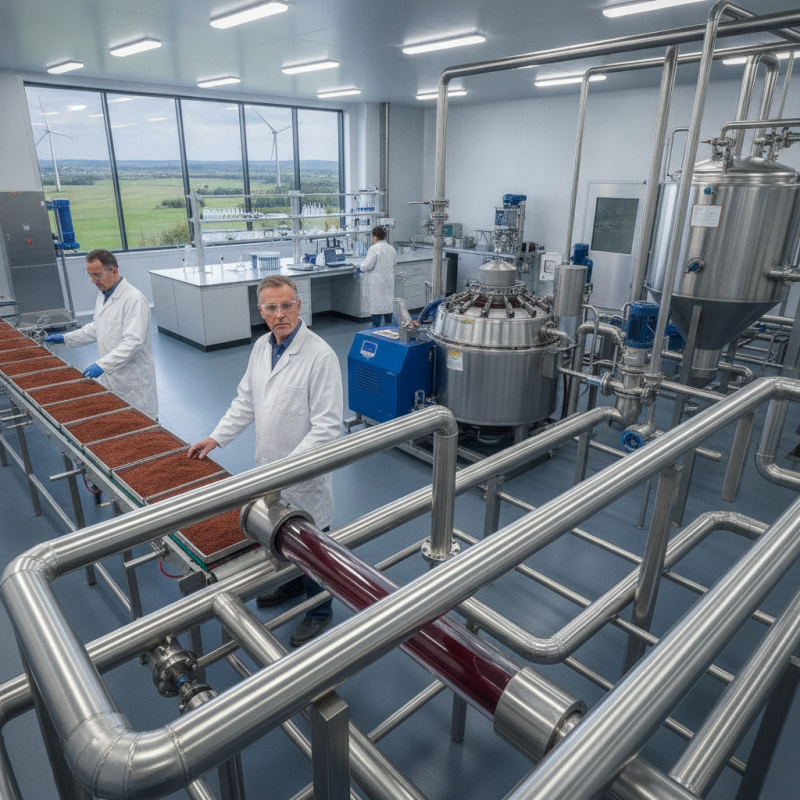
Blood rendering is a crucial process in the food and animal by-product industries. It involves converting animal blood into useful materials. The primary steps include collection, separation, and refining. After collection, blood is transported to facilities where it is processed. This ensures safe and hygienic handling throughout the process.
The separation stage is vital. Blood is separated into plasma and cellular components. Each component has its unique applications, like protein for animal feed or fertilizers. This method also reduces waste and promotes sustainability. However, the process isn't flawless. There can be challenges in ensuring high-quality output while maintaining efficiency.
Rendering facilities must adhere to strict regulations. These standards help mitigate any risks associated with blood products. While the industry's impact is significant, it also raises questions about ethical practices and environmental concerns. Despite advancements, the need for improvement in transparency remains critical.
Blood rendering has evolved significantly within the meat industry. Historically, the process began as a means to utilize by-products efficiently. In the past, meat processors discarded blood, viewing it as waste. However, this perspective shifted as the industry sought to maximize every part of the animal.
During the early 20th century, advancements in rendering technology emerged. These innovations allowed for more effective separation of blood from other tissues. This rendered blood became a valuable ingredient in animal feed and fertilizer. It also found a place in food products, enhancing nutrition. Yet, challenges remain in ensuring sanitation and safety in blood processing.
Today, blood rendering practices continue to develop. While the industry embraces sustainable practices, some debate the ethics of using animal by-products. Understanding the historical context helps industry stakeholders reflect on current practices. The balance between efficiency and ethical considerations is still an ongoing discussion in meat production.
Regulatory frameworks governing blood rendering practices are crucial for ensuring safety and compliance. Blood rendering is essential for recycling animal by-products into usable materials. Regulations vary by region, often influenced by local health concerns and environmental policies. In the United States, the Food and Drug Administration (FDA) oversees practices, ensuring they don't pose risks to public health.
A recent industry report suggests that improper rendering can lead to cross-contamination. In 2020, more than 30% of rendering plants faced compliance issues. These findings highlight the need for stringent oversight and better training for workers. Operators must understand the importance of adhering to regulations. Efficient rendering not only serves economic purposes but also promotes environmental sustainability.
Tips: Training programs for staff can enhance compliance. Regular audits can identify potential issues early. Industry partnerships help share best practices and foster continuous improvement. Addressing imperfections in rendering practices is vital for the industry's reputation and overall health safety.
Blood rendering processes animal by-products into usable materials. It has significant health and environmental implications. Rendering helps reduce waste, transforming slaughterhouse remnants into products like fats and proteins. However, improper practices can lead to pollution and health risks.
The health impacts of blood rendering are noteworthy. If the process is not conducted under strict hygiene standards, it can contaminate local water supplies. This contamination can lead to serious health issues in nearby communities. Moreover, workers in the blood rendering industry may be exposed to hazardous materials, raising concerns about occupational health.
On the environmental side, rendering facilities often face scrutiny. Emissions and waste from these plants can be detrimental. If not managed carefully, they contribute to air and soil pollution. While the industry aims to create a sustainable cycle, lapses in environmental responsibility can harm ecosystems. Therefore, ongoing discussions about improving practices and regulations are essential.
Blood rendering technology is evolving, presenting exciting future trends. This technology is crucial for industries like food, pharmaceuticals, and cosmetics. Enhanced safety protocols and sustainable methods are on the rise. As consumers demand higher quality and ethical production, companies are responding with innovative practices that rethink traditional processing.
Automation and AI are key drivers in this transformation. Smart systems are being integrated into rendering facilities. They allow for real-time monitoring and adjustments, improving efficiency. However, reliance on technology raises questions about workforce displacement and the need for skilled labor. Continuous training and education will be vital to adapt to this changing landscape.
Researchers are exploring new applications for rendered products. Innovations in bioengineering may lead to using rendered materials in regenerative medicine. Yet, there are challenges in consumer acceptance and regulatory hurdles. The push for transparency and traceability is paramount. Overall, blood rendering technology presents both opportunities and complications for the future. Its development will shape multiple sectors in ways that require careful consideration and reflection.
The chart above illustrates the growth of the blood rendering technology market from 2018 to 2023, highlighting the significant advancements and innovations in the industry that have positively impacted its growth trajectory.
„Thanks to the LUVIR technology, the solder resist process could be switched directly from the previously used mask exposure to direct exposure. As an outstanding digital solution on the market, this technology has been able to demonstrate fast process times and superior quality on our certified conventional ink in production. This allowed us to fully digitize the solder mask process at low cost – without process or ink adjustments. An excellent benefit to our production in Rot am See.“
Ralf Göhringer (Head of Production WE Rot am See)
I would definitely recommend the Limata machine and team for a future company purchase
Michael Greenaway
Compunetics Inc.
“The Limata ldi has been amazing!! Best thing we did was buy this machine”
Richard Brady
GM
Circuitlabs
“Since 2019, we have been running the Limata X1000 LDI system (including LUVIR for solder mask imaging) in daily production as an addition to our current process with film. The machine was capable of properly exposing Taiyo PSR-4000 BN (DI) solder mask types on normal to high-copper boards using a new and unique direct imaging process. The machine operating interface is very user friendly which allowed for a quick technical training curve. The pre-registration processing reduced several seconds of production time at every print. Limata support and service staff is incomparable. They supported our team every step of the way at basically any time of the day or night, with literally, an immediate response time, customizing the software interface to best fit our Operations and needs.
We have exposed more than 8,000 prints since end of October, on various solder mask colors and some resist film panels. Limata, has proven to be very capable and innovative. They are a strong contender in the industry.
We have very much enjoyed this project, and working with the team!
Thank you Limata for the continued support and being a part of our growth.”
Bill Sezate
Vice President, GM
Summit Interconnect
As a replacement to our current contact exposure process with film, the LIMATA X2000 system including LUVIR-Technology was capable of properly exposing non-LDI solder mask types using a direct imaging process. The machine offers cutting edge software with a very intuitive operating interface which allowed for quick technician training curve. The dual drawer system combined with pre-registration processing reduced several seconds of production time at every machine cycle. Limata support and service staff is world class. They added software patches to keep production running at shortest possible response times, customized the software interface to best fit our in-house Operations system, and even wrote a step-by-step machine processing manual. As a result of the project, we have exposed more than 16,000 times on various product types and solder mask brands/colors. Limata, in a very short timeframe as a company, has definitely shown they are truly innovative and will be challenging the industry of direct imaging for the top spot.
Kevin Beattie
Process Engineer
TTM Technologies
Forest Grove Division
