Cable Sleeves are essential components in the modern electrical and telecommunications sectors. They provide protection against abrasion, moisture, and electromagnetic interference. According to a recent report by MarketsandMarkets, the global cable management market is projected to reach $30 billion by 2025. This growth highlights the increasing demand for efficient cable protection solutions.
Choosing the right cable sleeve involves understanding various materials and their specific applications. For instance, nylon and polyethylene sleeves offer excellent durability, making them suitable for industrial use. Reports show that more than 40% of cable failures are due to improper protection. This statistic underscores the importance of selecting the correct sleeve for your cables.
However, with numerous options available, selecting the best cable sleeve can be overwhelming. Reflecting on the available data, it’s clear that both experience and expert recommendations play vital roles in this decision. Poor choices can lead to mechanical failures and safety hazards. Thus, making informed decisions based on industry insights is crucial for ensuring longevity and safety in cable management.
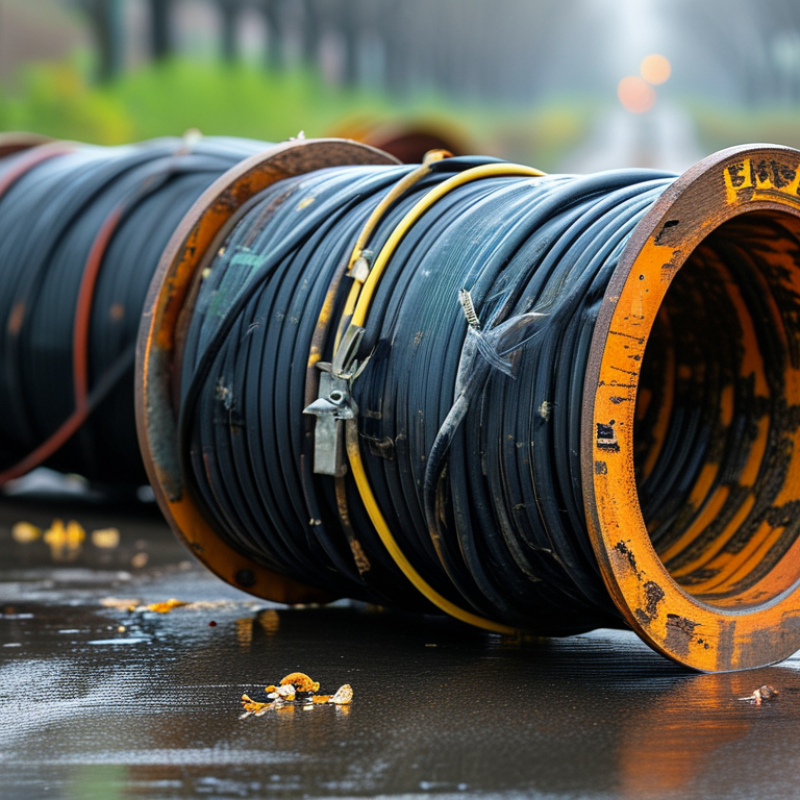
A cable sleeve serves as a protective cover for bundled wires. It organizes and shields cables from damage, tangling, and wear. In both residential and commercial settings, effective cable management is key to maintaining safety. A report by the National Fire Protection Association (NFPA) reveals that electrical malfunctions contribute to 27% of home fires. Properly managed cables reduce these risks.
Choosing the right cable sleeve involves understanding its materials and sizes. Options include nylon, PVC, and polyester, each offering unique durability and flexibility. A study from the International Association of Electrical Inspectors indicates that using proper sleeves can extend cable life by up to 40%. This extension saves costs on replacements and repairs.
**Tips:** Choose a sleeve that fits snugly around your cables to avoid excess movement. Consider color coding for easy identification, especially in complex setups. Regularly inspect the sleeves for wear, ensuring they continue to provide optimal protection for your cables.
Cable sleeves are essential for protecting and organizing cables in various environments. Different materials offer unique benefits and applications. Understanding these can enhance cable management and safety.
Polyester sleeves are popular due to their durability and flexibility. They resist abrasion, making them ideal for industrial settings. According to industry reports, about 35% of failures in electronic systems stem from cable wear. Thus, using a polyester sleeve can significantly reduce this risk.
In contrast, neoprene sleeves provide superior temperature resistance. They can endure a wide range of temperatures, from -40°F to 200°F. This makes them suitable for automotive and outdoor applications. However, neoprene is often more expensive, which can be a drawback for some projects. Lastly, nylon sleeves offer a balance of flexibility and strength, suitable for general use in various settings. They are lightweight but still protect against minor impacts.
Selecting the right cable sleeve requires consideration of specific needs and environments. Materials can affect both performance and cost-effectiveness, so analyzing reports on material properties is crucial. Balancing these factors can lead to better long-term solutions.
Choosing the right cable sleeve involves several essential factors. Start by considering the material. Common options include nylon, braided fabric, and PVC. Each material offers different levels of protection and flexibility. For example, braided fabric is durable and provides great abrasion resistance, while PVC is more resistant to heat and moisture.
Next, think about the diameter of the cable sleeve. It needs to fit your cables snugly. A sleeve that is too loose might not offer adequate protection. On the other hand, one that is too tight can make it difficult to install or adjust your cables. Measuring your cables before purchasing a sleeve is always a wise step.
Also, consider the aesthetics. Many people prefer a cable sleeve that matches their setup. A visually appealing sleeve can enhance your workspace. Think about colors and patterns that suit your style. Lastly, don't overlook the importance of customer reviews. They can provide insights into the sleeve's performance and durability. Remember, not all products meet expectations, and sometimes purchasing decisions need scrutiny.
When selecting a cable sleeve, it is crucial to consider industry standards and regulations. Various sectors, such as automotive, aerospace, and electrical, have specific guidelines. These standards ensure safety and performance in different environments. For instance, UL (Underwriters Laboratories) and IEC (International Electrotechnical Commission) set benchmarks for materials and testing.
In many applications, factors like temperature resistance and flame retardancy are critical. The sleeve must endure extreme conditions without compromising safety. Different regions may have unique regulatory requirements. Understanding local regulations helps in compliance. Additionally, manufacturers often provide vital documentation regarding their products. This information ensures that users make informed decisions.
Choosing the right cable sleeve involves more than just picking a product. It requires careful evaluation of specifications. Some may overlook this step, leading to improper usage. It’s essential to reflect on your choices and assess the potential risks. Continuous learning about advancements in materials and technologies is beneficial. Ultimately, adhering to industry standards promotes reliability and effectiveness in cable management.
| Dimension | Material | Temperature Rating (°C) | Fire Resistance | Application |
|---|---|---|---|---|
| 1.5mm - 5mm | Polyethylene | -40 to 90 | No | General Purpose |
| 6mm - 10mm | Polyester | -30 to 120 | Yes | Electronics |
| 11mm - 15mm | Nylon | -40 to 100 | Yes | Automotive |
| 16mm - 20mm | Silicone | -40 to 200 | Yes | High-Temperature Applications |
| 21mm+ | PVC | -10 to 80 | No | Industrial Use |
Cable sleeves offer notable benefits for equipment longevity and safety. They protect wires from abrasion, moisture, and dust, which can lead to failures. By using a cable sleeve, you can significantly extend the life of your cables. This is crucial in both residential and industrial settings where equipment reliability is key.
The right sleeve can also prevent accidental shorts. Cables rubbing against sharp edges can cause electrical fires or equipment damage. A robust cable sleeve acts as a barrier, reducing risks and ensuring safety. This protective feature is often overlooked, yet it plays a vital role in maintaining efficient operations.
When choosing a cable sleeve, consider the material carefully. Some materials are more durable and elastic than others. Look for qualities like heat resistance and flexibility. Understanding the environment where the cables operate is important. Should they withstand high temperatures, or are they in a wet area? These factors influence your choice.
Tips: Measure your cables accurately before purchasing. Ensuring a snug fit is essential for functionality. Choose colors wisely; they can help in organizing and identifying cables easily. Regularly inspect sleeves for wear and tear. It's important to replace them when they begin to show signs of damage.
„Thanks to the LUVIR technology, the solder resist process could be switched directly from the previously used mask exposure to direct exposure. As an outstanding digital solution on the market, this technology has been able to demonstrate fast process times and superior quality on our certified conventional ink in production. This allowed us to fully digitize the solder mask process at low cost – without process or ink adjustments. An excellent benefit to our production in Rot am See.“
Ralf Göhringer (Head of Production WE Rot am See)
I would definitely recommend the Limata machine and team for a future company purchase
Michael Greenaway
Compunetics Inc.
“The Limata ldi has been amazing!! Best thing we did was buy this machine”
Richard Brady
GM
Circuitlabs
“Since 2019, we have been running the Limata X1000 LDI system (including LUVIR for solder mask imaging) in daily production as an addition to our current process with film. The machine was capable of properly exposing Taiyo PSR-4000 BN (DI) solder mask types on normal to high-copper boards using a new and unique direct imaging process. The machine operating interface is very user friendly which allowed for a quick technical training curve. The pre-registration processing reduced several seconds of production time at every print. Limata support and service staff is incomparable. They supported our team every step of the way at basically any time of the day or night, with literally, an immediate response time, customizing the software interface to best fit our Operations and needs.
We have exposed more than 8,000 prints since end of October, on various solder mask colors and some resist film panels. Limata, has proven to be very capable and innovative. They are a strong contender in the industry.
We have very much enjoyed this project, and working with the team!
Thank you Limata for the continued support and being a part of our growth.”
Bill Sezate
Vice President, GM
Summit Interconnect
As a replacement to our current contact exposure process with film, the LIMATA X2000 system including LUVIR-Technology was capable of properly exposing non-LDI solder mask types using a direct imaging process. The machine offers cutting edge software with a very intuitive operating interface which allowed for quick technician training curve. The dual drawer system combined with pre-registration processing reduced several seconds of production time at every machine cycle. Limata support and service staff is world class. They added software patches to keep production running at shortest possible response times, customized the software interface to best fit our in-house Operations system, and even wrote a step-by-step machine processing manual. As a result of the project, we have exposed more than 16,000 times on various product types and solder mask brands/colors. Limata, in a very short timeframe as a company, has definitely shown they are truly innovative and will be challenging the industry of direct imaging for the top spot.
Kevin Beattie
Process Engineer
TTM Technologies
Forest Grove Division
