A cast iron casserole is more than just a cooking pot; it embodies tradition and versatility. Many home cooks love this kitchen essential. Its sturdy design allows for even heat distribution. This means your meals cook perfectly every time. Imagine a hearty stew bubbling away on a cold day. The aroma fills your kitchen, creating a sense of comfort.
The popularity of the cast iron casserole stems from its durability. Unlike modern cookware, it can last for generations. However, it requires care. Some may find it daunting to maintain. Regular seasoning can be an extra task. Yet, this effort results in a natural non-stick surface. Many appreciate the unique flavor that develops over time.
Additionally, cast iron casseroles are visually appealing. They come in vibrant colors, making them suitable for serving. You can go directly from oven to table. This not only saves time but also enhances presentation. However, they can be heavy. Lifting a full pot might be challenging for some. The balance of beauty and practicality makes the cast iron casserole a beloved choice.
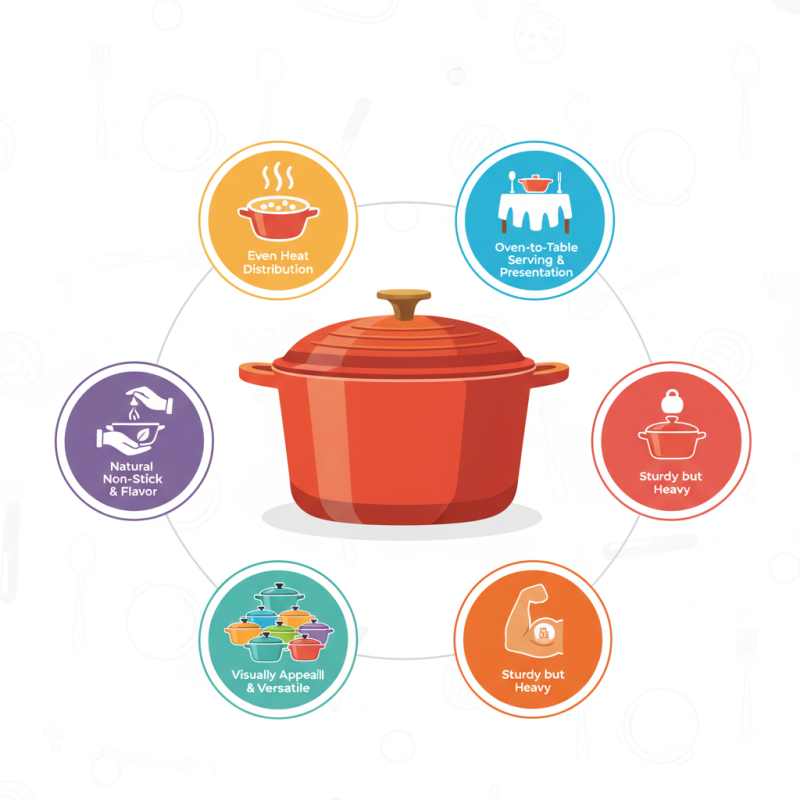
A cast iron casserole is a versatile cooking tool made from heavy-duty cast iron. It is designed to retain heat exceptionally well. This makes it ideal for slow cooking, baking, and even frying. The unique material allows for even heat distribution, resulting in perfectly cooked meals. Chefs love its ability to go from stovetop to oven without a hitch.
One reason for its popularity is the natural non-stick properties that develop over time. With proper seasoning, a cast iron casserole becomes remarkably easy to clean. However, it requires maintenance. If not seasoned correctly, food can stick. Users might also find themselves occasionally battling rust if not dried properly. These challenges encourage a deeper relationship with the cookware.
Another aspect is its durability. A cast iron casserole can last a lifetime, or even longer, if taken care of well. It can withstand high temperatures and heavy-use conditions. This is appealing for home cooks and professionals alike. However, its weight can be a drawback for some. Maneuvering it can be clumsy, especially when full. Balancing practicality and upkeep creates an intriguing dynamic for those who choose to embrace cast iron cooking.
The history of cast iron cookware dates back to ancient times. It originated in China around the 5th century BC, where craftsmen discovered how to smelt iron. Soon, cast iron pots became popular due to their durability and ability to retain heat. This made them suitable for cooking over open fires.
In the 18th century, cast iron cookware spread to Europe. It became a staple in households, especially in France and the United Kingdom. The designs evolved, with artisans crafting intricate details on the surfaces. Unfortunately, many early pieces lacked the smooth finish we see today. Some surfaces were rough, which could lead to uneven cooking.
By the 19th century, cast iron casserole dishes gained prominence. They became a symbol of hearty, home-cooked meals. Yet, early users often faced challenges. Seasoning the pots was essential, but it was not always successful. Some dishes would rust if not cared for properly. Despite these imperfections, the charm of cast iron cookware remained strong. Today, they represent a blend of history and functionality, reminding us of the simplicity of cooking from scratch.
A cast iron casserole is more than just a cooking pot. It is a versatile kitchen tool essential for many home cooks. These casseroles are known for their heat retention and even cooking. They can be used on the stove, in the oven, or even over an open flame. This makes them ideal for everything from stews to casseroles.
One of the key features of cast iron casseroles is durability. They can last for generations with proper care. However, they require seasoning to maintain their non-stick surface. This process might seem daunting at first, but the benefits far outweigh the effort. A well-seasoned casserole can enhance the flavors of your dishes over time.
Tips: Always allow your casserole to cool before washing it. Avoid using soap, as it can strip the seasoning. Instead, use hot water and a stiff brush for cleaning. If you notice any rust, simply scrub it off and re-season.
Another great benefit is the ability to use them for slow cooking. The heavy weight of the pot allows for an even and consistent temperature. You can start a dish on high heat and then lower it, ensuring your meals are cooked to perfection. Don’t be afraid to experiment. Each use can improve flavor and seasoning.
Cast iron casseroles are versatile kitchen tools. They can go from the stovetop to the oven seamlessly. This makes them perfect for many cooking techniques. For instance, braising is a popular method. It combines searing meat and then slow-cooking it. The heavy lid helps trap moisture, making dishes tender and flavorful.
Another technique is baking. These casseroles retain heat well, which allows for even cooking. Try making casseroles or even bread in a cast iron dish. The crust develops beautifully, while the inside stays moist. However, be cautious with high-acid foods as they can react with cast iron.
Tips: Preheat your casserole before adding ingredients. This helps enhance the searing process. Season your cast iron well to avoid sticking. Finally, avoid using soap when cleaning. Instead, rinse it with hot water and scrub gently. This will help maintain the seasoning and overall quality. Embrace experimenting with recipes, but learn from occasional mishaps. Cooking is often about trial and error.
Maintaining cast iron cookware is essential for its longevity. Regular seasoning is a key step. According to the American Culinary Federation, proper seasoning can enhance the non-stick surface. This involves applying a thin layer of oil and heating the cookware. Many users find this process daunting, yet it becomes easier with practice.
Cleaning is another critical aspect. Avoid using soap, as it can strip the seasoning. Instead, warm water and a gentle scrubber work well. Some may be tempted to toss it in the dishwasher, but this can lead to rust. The Cast Iron Coalition suggests drying thoroughly to prevent moisture buildup, ensuring longer life.
Storage is often overlooked. It’s vital to keep cast iron pieces dry and in a non-humid environment. Many people store their cast iron pots with lids tightly closed, trapping moisture inside. This can lead to unwanted rust. Consider placing a paper towel between the pot and lid to allow airflow. These small practices can significantly impact the durability and performance of cast iron cookware.
„Thanks to the LUVIR technology, the solder resist process could be switched directly from the previously used mask exposure to direct exposure. As an outstanding digital solution on the market, this technology has been able to demonstrate fast process times and superior quality on our certified conventional ink in production. This allowed us to fully digitize the solder mask process at low cost – without process or ink adjustments. An excellent benefit to our production in Rot am See.“
Ralf Göhringer (Head of Production WE Rot am See)
I would definitely recommend the Limata machine and team for a future company purchase
Michael Greenaway
Compunetics Inc.
“The Limata ldi has been amazing!! Best thing we did was buy this machine”
Richard Brady
GM
Circuitlabs
“Since 2019, we have been running the Limata X1000 LDI system (including LUVIR for solder mask imaging) in daily production as an addition to our current process with film. The machine was capable of properly exposing Taiyo PSR-4000 BN (DI) solder mask types on normal to high-copper boards using a new and unique direct imaging process. The machine operating interface is very user friendly which allowed for a quick technical training curve. The pre-registration processing reduced several seconds of production time at every print. Limata support and service staff is incomparable. They supported our team every step of the way at basically any time of the day or night, with literally, an immediate response time, customizing the software interface to best fit our Operations and needs.
We have exposed more than 8,000 prints since end of October, on various solder mask colors and some resist film panels. Limata, has proven to be very capable and innovative. They are a strong contender in the industry.
We have very much enjoyed this project, and working with the team!
Thank you Limata for the continued support and being a part of our growth.”
Bill Sezate
Vice President, GM
Summit Interconnect
As a replacement to our current contact exposure process with film, the LIMATA X2000 system including LUVIR-Technology was capable of properly exposing non-LDI solder mask types using a direct imaging process. The machine offers cutting edge software with a very intuitive operating interface which allowed for quick technician training curve. The dual drawer system combined with pre-registration processing reduced several seconds of production time at every machine cycle. Limata support and service staff is world class. They added software patches to keep production running at shortest possible response times, customized the software interface to best fit our in-house Operations system, and even wrote a step-by-step machine processing manual. As a result of the project, we have exposed more than 16,000 times on various product types and solder mask brands/colors. Limata, in a very short timeframe as a company, has definitely shown they are truly innovative and will be challenging the industry of direct imaging for the top spot.
Kevin Beattie
Process Engineer
TTM Technologies
Forest Grove Division
