In the rapidly evolving landscape of global manufacturing, CNC Machining Parts play a vital role. Industry reports indicate that the CNC machining parts market will reach USD 100 billion by 2026, driven by advancements in technology and rising demand across various sectors. This growth highlights the importance of competent suppliers, particularly in China.
According to Dr. Jane Liu, a leading expert in CNC machining, “The efficiency and precision offered by CNC machining parts are unparalleled.” This emphasizes the need for global buyers to source from suppliers who meet high standards of quality and reliability. While China boasts numerous suppliers, not all can deliver the expertise and innovation necessary for modern manufacturing demands.
Buyers should exercise caution when choosing partners. Some suppliers may promise high precision, but their quality control processes might lack rigor. The challenge lies in identifying those who consistently deliver value in CNC machining parts. Engaging with trusted suppliers can significantly affect production outcomes and long-term success.
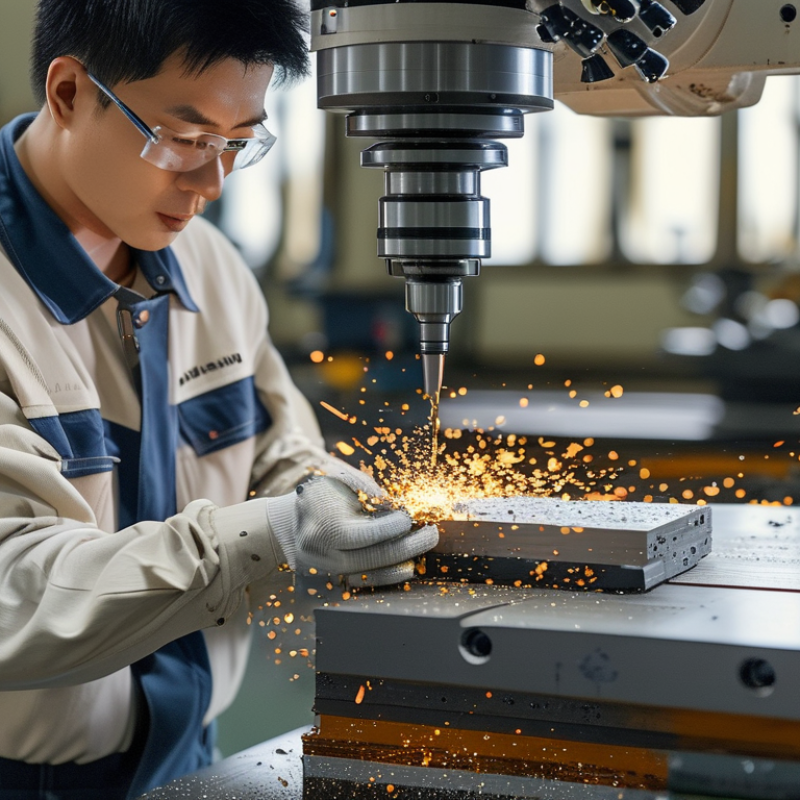
CNC machining has firmly established itself as a leading manufacturing process in China. It is integral to various industries, including aerospace, automotive, and electronics. According to a report by MarketsandMarkets, the global CNC machining market is expected to reach $87 billion by 2025, with China playing a significant role in this growth. The country benefits from a dense network of manufacturers and suppliers, providing a diverse range of CNC machining services.
Chinese suppliers are known for their competitive pricing and advanced technology. Data from Statista indicates that over 48% of CNC machining exports come from Asia, with China being a major contributor. This vast supply base supports rapid prototyping and small to medium-sized production runs. However, quality control can sometimes be a challenge due to varying standards among suppliers. Buyers need to navigate these complexities carefully when selecting partners.
Despite advancements, some aspects remain unsatisfactory. Current challenges include communication barriers and a lack of standardization. Trust between global buyers and local manufacturers often hinges on transparency. Establishing quality assurance processes is vital for both parties. The journey to a reliable supply chain in CNC machining requires vigilance and ongoing assessment.
| Supplier Location | Specialization | Production Capacity (Units/Month) | Material Types | Certification |
|---|---|---|---|---|
| Shenzhen | Aluminum CNC Machining | 50,000 | Aluminum, Steel | ISO 9001 |
| Shanghai | Plastic CNC Machining | 30,000 | Plastic, Nylon | ISO 13485 |
| Dongguan | Precision CNC Machining | 70,000 | Titanium, Copper | TS16949 |
| Hangzhou | Automotive Components | 45,000 | Aluminum, Steel | IATF 16949 |
| Nanjing | Custom CNC Services | 25,000 | Brass, Stainless Steel | ISO 9001 |
When selecting CNC machining suppliers, several critical factors come into play. Experience is essential; a supplier with a proven track record can ensure quality and reliability. Look for suppliers with extensive industry portfolios. They should demonstrate their ability to handle diverse projects. A supplier's knowledge about materials and machining processes is also vital. Expertise in different machining techniques can influence your final product.
Quality certifications and standards are indicators of supplier authority. Reliable suppliers often adhere to international standards. Checking third-party reviews can provide insights into their performance. Communication is another factor. A responsive supplier can address concerns quickly. Moreover, it fosters a strong working relationship that benefits both parties.
Consider the supplier's production capacity and flexibility. Some may struggle to meet tight deadlines. This can delay your projects. Reflect on their past delivery performance and willingness to adapt. Pricing is a consideration, too. Be wary of suppliers offering rock-bottom prices. This could compromise quality. Balance cost with overall value to ensure top-notch results.
When searching for top CNC machining parts suppliers in China, it’s crucial to consider several key factors. The country boasts a vast landscape of manufacturers, each offering various capabilities. Some suppliers excel in precision, while others may focus on speed. Quality control measures differ significantly among them. Researching these aspects can significantly impact your purchasing decisions.
Understanding the nuances of CNC machining is essential. Expertise in materials and machining techniques directly influences the final product. Some suppliers may have advanced machinery, but their attention to detail could vary. It’s wise to scrutinize their previous projects and customer reviews. This gives insight into their reliability and quality. Additionally, language barriers can lead to miscommunication. Clear and effective dialogue fosters a more productive relationship.
Navigating this market can be challenging. Not every supplier will meet your expectations. There may be hidden costs or delays in timelines. Establishing a good understanding of what constitutes high-quality machining is essential. This not only helps in selecting the right supplier but also aids in maintaining long-term collaboration. Balancing price and quality should always be a priority for any global buyer.
China has become a pivotal player in the global CNC machining parts market. According to a recent industry report, the CNC machining market in China will reach approximately $25 billion by 2025, reflecting a compound annual growth rate (CAGR) of over 8%. This growth is driven by technological advancements and an ever-increasing demand for precision engineering from various sectors.
Supplier competitiveness is closely linked to the ability to deliver quality and cost-effective solutions. Many Chinese suppliers leverage advanced manufacturing technologies and skilled labor to offer competitive pricing without sacrificing quality. Yet, challenges exist. Some suppliers struggle with inconsistent product quality or lagging customer service, which can undermine buyer trust. A comparative analysis reveals that while some suppliers excel in rapid delivery and customization, others fall short, highlighting the uneven landscape of the industry.
Maintaining supplier competitiveness requires constant innovation and adaptability. Data shows that companies investing in smart manufacturing technologies saw a 15% increase in productivity. However, not all suppliers adopt such technologies effectively. The gap in technological implementation raises questions about future sustainability and the ability to meet global demands. As buyers sift through options, recognizing these disparities will be crucial in making informed sourcing decisions.
In recent years, CNC machining has gained significant traction in the global market. As automation and precision become paramount, the demand for high-quality CNC parts is on the rise. Industries such as automotive, aerospace, and electronics are particularly benefiting. Buyers are now looking for reliable suppliers who can meet stringent quality requirements. This creates opportunities for growth in the CNC machining sector.
Many suppliers are adapting to these market trends by investing in advanced technology. This includes adopting smart manufacturing techniques and improving operational efficiency. However, challenges remain. Not all suppliers can consistently deliver on quality and timelines. Buyers need to conduct thorough research to identify trustworthy sources. It's crucial to analyze supplier capabilities and past performance before making a decision.
Moreover, sustainability is becoming a significant factor in supplier selection. Many manufacturers are exploring eco-friendly materials and processes. This shift not only meets consumer demand but also enhances the company's reputation. However, transitioning to more sustainable practices can be difficult. Companies must weigh the benefits with potential costs. Ultimately, navigating the CNC machining landscape requires careful consideration and strategic planning.
„Thanks to the LUVIR technology, the solder resist process could be switched directly from the previously used mask exposure to direct exposure. As an outstanding digital solution on the market, this technology has been able to demonstrate fast process times and superior quality on our certified conventional ink in production. This allowed us to fully digitize the solder mask process at low cost – without process or ink adjustments. An excellent benefit to our production in Rot am See.“
Ralf Göhringer (Head of Production WE Rot am See)
I would definitely recommend the Limata machine and team for a future company purchase
Michael Greenaway
Compunetics Inc.
“The Limata ldi has been amazing!! Best thing we did was buy this machine”
Richard Brady
GM
Circuitlabs
“Since 2019, we have been running the Limata X1000 LDI system (including LUVIR for solder mask imaging) in daily production as an addition to our current process with film. The machine was capable of properly exposing Taiyo PSR-4000 BN (DI) solder mask types on normal to high-copper boards using a new and unique direct imaging process. The machine operating interface is very user friendly which allowed for a quick technical training curve. The pre-registration processing reduced several seconds of production time at every print. Limata support and service staff is incomparable. They supported our team every step of the way at basically any time of the day or night, with literally, an immediate response time, customizing the software interface to best fit our Operations and needs.
We have exposed more than 8,000 prints since end of October, on various solder mask colors and some resist film panels. Limata, has proven to be very capable and innovative. They are a strong contender in the industry.
We have very much enjoyed this project, and working with the team!
Thank you Limata for the continued support and being a part of our growth.”
Bill Sezate
Vice President, GM
Summit Interconnect
As a replacement to our current contact exposure process with film, the LIMATA X2000 system including LUVIR-Technology was capable of properly exposing non-LDI solder mask types using a direct imaging process. The machine offers cutting edge software with a very intuitive operating interface which allowed for quick technician training curve. The dual drawer system combined with pre-registration processing reduced several seconds of production time at every machine cycle. Limata support and service staff is world class. They added software patches to keep production running at shortest possible response times, customized the software interface to best fit our in-house Operations system, and even wrote a step-by-step machine processing manual. As a result of the project, we have exposed more than 16,000 times on various product types and solder mask brands/colors. Limata, in a very short timeframe as a company, has definitely shown they are truly innovative and will be challenging the industry of direct imaging for the top spot.
Kevin Beattie
Process Engineer
TTM Technologies
Forest Grove Division
