China has become an important sourcing base for Electric Fuel Pumps, serving vehicle manufacturers, distributors, and aftermarket buyers. Yet a supplier’s location alone says little about product quality. Buyers need to examine pump specifications, materials, production controls, and support after delivery. Details matter.
A dependable evaluation starts with fit. Confirm operating pressure, flow rate, voltage, connector type, and vehicle compatibility against the intended application. Ask how samples are tested and whether inspection records can be shared. Clear answers are useful. Vague promises are not.
This guide explores how global buyers can compare China-based suppliers, assess manufacturing capabilities, and reduce avoidable sourcing risks. It also considers communication, lead times, packaging, and documentation—practical details that can affect a shipment long after a price is agreed. A low quotation may look attractive, but it should be weighed against consistency and service. No checklist removes every uncertainty. Supplier claims still need verification, and buyers should define acceptance criteria before placing an order. That step is easy to overlook. By focusing on evidence rather than polished catalogs, buyers can make more informed decisions and build supplier relationships suited to their market and application.
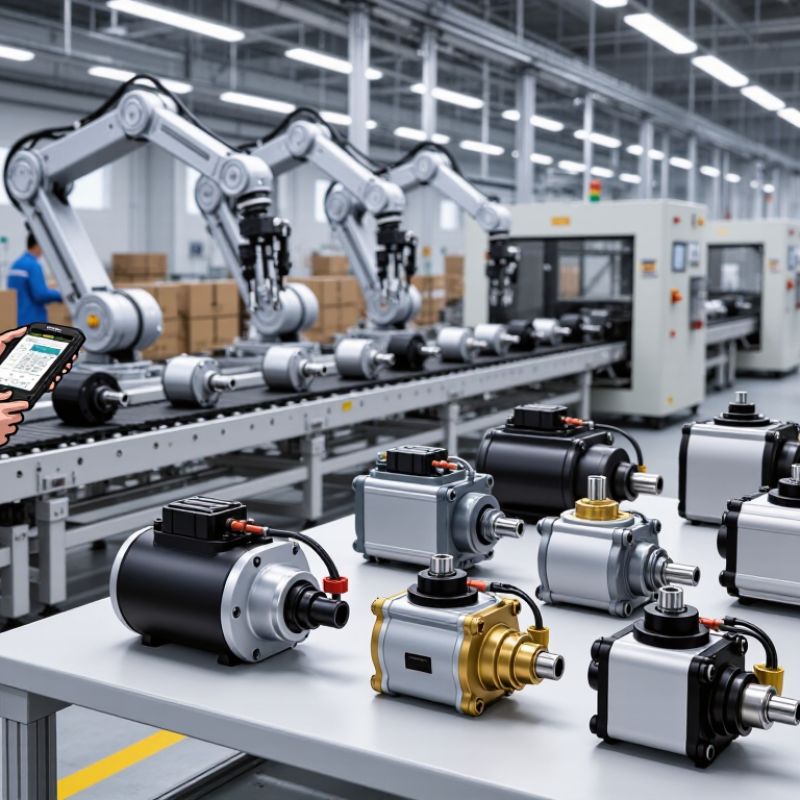
China Top Electric Fuel Pump Suppliers for Global Buyers
An electric fuel pump moves fuel from a tank toward an engine. It supplies the pressure and flow needed for fuel delivery. Many modern gasoline vehicles use an in-tank pump, where surrounding fuel helps cool the unit. Pressure matters. Fuel-injected engines often need more precise delivery than older carbureted systems, so pump specifications are not interchangeable.
These pumps serve passenger cars, trucks, motorcycles, marine engines, and generators. In a car, consistent fuel supply supports starting, acceleration, and steady driving. A boat pump must operate amid vibration and changing engine loads. Generator pumps feed fuel during extended operation, when interruptions can matter. The exact design depends on the engine and its fuel system.
Buyers should check operating voltage, required pressure and flow, fuel compatibility, connector type, and dimensions. A larger flow rating does not automatically mean a better fit. Installation details matter, too. A rough-running engine may involve a clogged filter or electrical fault, not just a failing pump. That distinction is easy to overlook, and replacing parts without checking can waste time.
Electric fuel pumps move fuel from the tank toward the engine. Typical supply-pressure ranges differ by fuel-system design:
Ranges shown are illustrative typical values in psi; specifications vary by vehicle. In gasoline direct-injection systems, the electric pump supplies the low-pressure side. A separate engine-driven pump creates the much higher injection pressure.
When evaluating Chinese electric fuel pump suppliers, start with fit, not price. Confirm the pump’s voltage, flow rate, pressure range, connector, and fuel compatibility against your application. Ask for a current datasheet, then check that sample units match its stated dimensions. A part that looks close may still cause weak pressure or difficult installation.
Check how the supplier controls incoming materials, assembly, and final inspection. Request recent records for flow, pressure, leakage, noise, and endurance tests, where relevant. Clarify how results are measured and whether the tested model matches your quotation. A tidy certificate folder is useful, but it cannot replace repeatable test methods. Discuss traceability, packaging, lead times, and defective-sample handling before ordering. Small gaps matter.
Tips: Send a written specification and ask the supplier to identify any deviations. Test samples under realistic fuel, temperature, and operating conditions, and record the readings. Do not assume one successful sample proves every batch will perform the same way. Even experienced buyers miss details.
China’s electric fuel pump suppliers are best compared by product type and supply role, not factory size alone. The China Association of Automobile Manufacturers reported 31.28 million vehicles produced in 2024, with exports reaching 5.86 million. This scale supports a broad supplier base, but it does not mean every factory serves the same buyer or quality requirement. Fuel pumps mainly serve combustion and hybrid vehicles, not battery-electric cars.
A practical category is OE and contract-manufacturing suppliers, which typically support vehicle programs, engineering changes, and production traceability. Aftermarket suppliers focus more on replacement coverage, packaged assemblies, and model fitment. Product specialists may offer in-tank pump modules, inline pumps, or high-pressure pumps for direct-injection systems. Ask which category a supplier actually serves; descriptions can blur these distinctions. A polished catalog is not proof of consistent output.
Tips: Match the pump type to the vehicle’s fuel system, then request operating-pressure and flow data. Ask for test records, material specifications, and sample traceability. For export orders, confirm packaging and model coverage in writing. Small details matter: connector shape, hose position, and the lock-ring fit can delay installation. I would still verify a sample under realistic conditions; paperwork alone is not enough.
For global buyers comparing electric fuel pump suppliers, quality should be demonstrated with test records, not broad claims. OICA reported 93.5 million vehicles produced worldwide in 2023, underscoring the scale and variety of automotive supply needs. Ask suppliers for flow and pressure curves at specified voltages, endurance-test results, noise readings, and lot-level traceability. Check sample pumps against the drawings, then confirm that production units use the same materials and process controls. Data helps, but it cannot inspect a pump.
Capacity needs evidence too. Request recent output, line utilization, standard lead times, and a documented plan for peak demand. A factory tour can reveal practical details: test-bench count, finished-goods storage, and whether critical components come from one source. The IEA’s Global EV Outlook 2024 reports that electric car sales approached 14 million in 2023. That shift changes vehicle technology, but it does not remove the need to verify each pump’s intended application. Some supplier capacity figures look neat on paper; actual delivery performance deserves scrutiny.
Compliance should match the destination market and the buyer’s requirements. Review current certificates, material declarations, change-control procedures, and corrective-action records, checking that each applies to the relevant site and product scope. Ask how defects are contained and reported. Small gaps matter. A certificate alone cannot prove consistent production, and even a strong audit may miss a weak sub-tier supplier. Compare evidence across quality, capacity, and compliance before approving a source.
Global buyers should assess electric fuel pump suppliers through evidence, not polished catalogs. The IEA’s Global EV Outlook 2024 reports nearly 14 million electric cars were sold worldwide in 2023. That figure describes a changing vehicle market, not fuel-pump demand directly. It does, however, make clear why buyers should confirm a supplier’s product scope, application limits, and production capacity before placing a forecast.
Request test data for flow rate, pressure stability, current draw, and operating temperature. Compare results against your engine or system requirements. Ask for material specifications, batch traceability, inspection records, and the quality-system certificates relevant to the supplier’s actual production site.
Details matter.
If possible, review sample parts and observe a factory audit. A document can look complete while leaving test conditions unclear; ask for the temperature, voltage, and duration behind every performance figure.
Partnership terms deserve the same scrutiny as technical files. Agree on sample approval, change notification, defect handling, lead times, and capacity reporting in writing. Discuss packaging and shipping protection with real transit conditions in mind: a damaged connector can delay an otherwise acceptable shipment. Set regular reviews around delivery, rejection, and corrective-action data. A checklist helps, but it can still miss problems. Buyers should leave room for follow-up questions, especially when early samples behave differently from production batches.
„Thanks to the LUVIR technology, the solder resist process could be switched directly from the previously used mask exposure to direct exposure. As an outstanding digital solution on the market, this technology has been able to demonstrate fast process times and superior quality on our certified conventional ink in production. This allowed us to fully digitize the solder mask process at low cost – without process or ink adjustments. An excellent benefit to our production in Rot am See.“
Ralf Göhringer (Head of Production WE Rot am See)
I would definitely recommend the Limata machine and team for a future company purchase
Michael Greenaway
Compunetics Inc.
“The Limata ldi has been amazing!! Best thing we did was buy this machine”
Richard Brady
GM
Circuitlabs
“Since 2019, we have been running the Limata X1000 LDI system (including LUVIR for solder mask imaging) in daily production as an addition to our current process with film. The machine was capable of properly exposing Taiyo PSR-4000 BN (DI) solder mask types on normal to high-copper boards using a new and unique direct imaging process. The machine operating interface is very user friendly which allowed for a quick technical training curve. The pre-registration processing reduced several seconds of production time at every print. Limata support and service staff is incomparable. They supported our team every step of the way at basically any time of the day or night, with literally, an immediate response time, customizing the software interface to best fit our Operations and needs.
We have exposed more than 8,000 prints since end of October, on various solder mask colors and some resist film panels. Limata, has proven to be very capable and innovative. They are a strong contender in the industry.
We have very much enjoyed this project, and working with the team!
Thank you Limata for the continued support and being a part of our growth.”
Bill Sezate
Vice President, GM
Summit Interconnect
As a replacement to our current contact exposure process with film, the LIMATA X2000 system including LUVIR-Technology was capable of properly exposing non-LDI solder mask types using a direct imaging process. The machine offers cutting edge software with a very intuitive operating interface which allowed for quick technician training curve. The dual drawer system combined with pre-registration processing reduced several seconds of production time at every machine cycle. Limata support and service staff is world class. They added software patches to keep production running at shortest possible response times, customized the software interface to best fit our in-house Operations system, and even wrote a step-by-step machine processing manual. As a result of the project, we have exposed more than 16,000 times on various product types and solder mask brands/colors. Limata, in a very short timeframe as a company, has definitely shown they are truly innovative and will be challenging the industry of direct imaging for the top spot.
Kevin Beattie
Process Engineer
TTM Technologies
Forest Grove Division
