Choosing the right China Lotion Bottle manufacturer can shape product quality, customer trust, and long-term brand performance. Global buyers need more than attractive packaging photographs. They need stable materials, accurate dimensions, dependable pumps, and practical export support. A 30ml travel bottle should feel balanced in the hand. A 250ml bathroom bottle must stand firmly beside a sink. Small details matter.
Experienced manufacturers usually offer PET, HDPE, and other suitable packaging options for different lotion formulas. They should understand viscosity, closure compatibility, filling efficiency, and surface decoration. Reliable suppliers can provide samples, material information, production photos, and quality records before large-scale orders. Leak testing, pump performance checks, color comparison, and carton inspections deserve clear attention. Good communication helps prevent expensive misunderstandings.
Claims still require verification.
A professional factory may support private labeling, custom molds, low-volume testing, and international shipping coordination. However, no manufacturer fits every lotion brand. A supplier may produce beautiful bottles but lack flexible quality control. Another may offer low prices while providing limited after-sales support. Buyers should compare samples against approved specifications and confirm applicable packaging, labeling, and transport requirements in their target markets. Factory audits, video inspections, and written agreements can improve confidence. The best partnership develops through evidence, not promises alone. Mistakes can happen, even with experienced teams. Careful testing and honest communication remain essential when selecting a China Lotion Bottle manufacturer for global buyers.
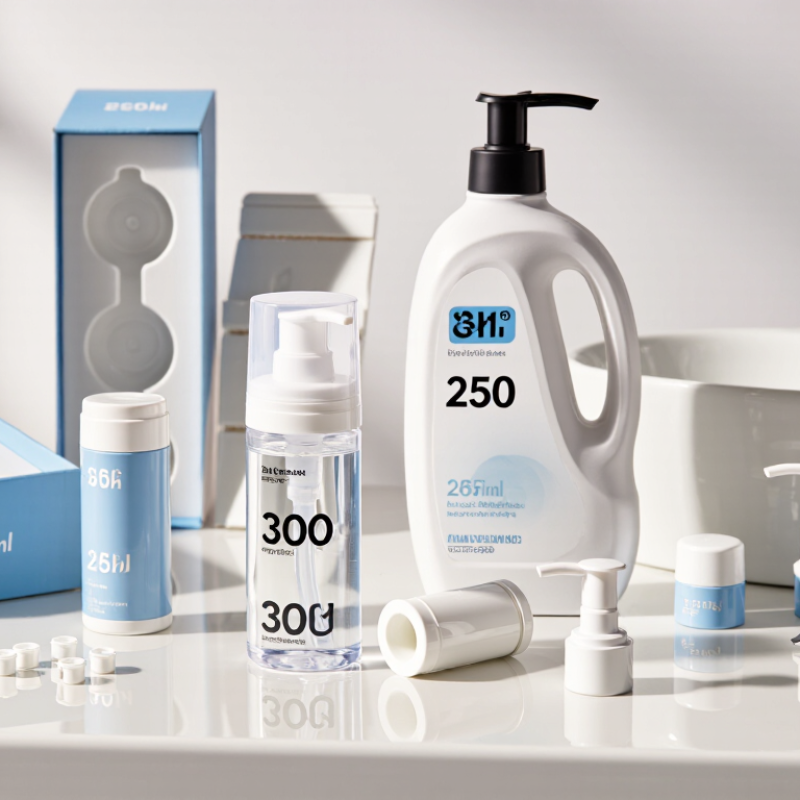
China Best Lotion Bottle Manufacturer for Global Buyers
What Defines a Leading Chinese Lotion Bottle Manufacturer
A leading Chinese manufacturer begins with listening, not simply offering a thick catalogue. Experienced engineers study lotion viscosity, pump compatibility, filling speed, and handling procedures. A 100ml bottle may look attractive, yet its shoulder design can trap product during production. Small details matter. Teams with export experience also understand shipping pressure, carton stacking, and destination-market requirements.
Reliable factories show their work. They provide material specifications, mold records, sample approval sheets, and batch traceability. They test wall thickness, leakage, torque, drop resistance, and pump output. Migration testing and material declarations can support cosmetic packaging compliance. On-site audits should reveal calibrated inspection tools and controlled molding areas. Clear communication matters too. Delayed answers often become delayed shipments.
There is no perfect first sample. A pump may need adjustment, or a mold may require another trial. That is normal, but ignored defects are not. Strong manufacturers record problems, identify causes, and verify corrective actions before mass production. Recycled content may reduce environmental impact, yet it can change color, strength, or surface feel. The trade-off needs honest testing. Buyers should also confirm minimum order quantities, tooling ownership, lead times, packaging protection, and after-sales procedures before signing production documents.
China Best Lotion Bottle Manufacturer for Global Buyers
Lotion bottles must match formula viscosity, filling speed, and customer habits. PET offers clear walls, good impact resistance, and efficient transport. HDPE feels softer and protects light-sensitive lotions. Glass looks premium, but it adds weight and breakage risk. According to Grand View Research, the global cosmetic packaging market reached about USD 29.35 billion in 2023, with steady growth expected through 2030.
Dispensing systems change the user experience. Disc-top caps suit everyday lotions and simple filling lines. Pump closures provide controlled doses, often around 1–2 milliliters per stroke. Airless bottles reduce backflow and help limit formula exposure to air. They work well with sensitive or high-viscosity products. However, airless systems cost more and require careful compatibility testing.
Material choices need evidence.
PCR plastic can reduce virgin resin use, but color variation and odor may appear. The Ellen MacArthur Foundation’s 2023 Global Commitment report recorded progress in recycled-plastic adoption, while also noting that reuse and recycling targets remain difficult. That warning matters. A recyclable bottle is not automatically recycled in every market. Our practical checks include leakage tests, torque testing, drop testing, and pump-dose measurement. We also inspect the shoulder, neck finish, and inner dip tube. Small design details can create large filling problems. Overlooking them is an easy mistake.
| Lotion Bottle Type | Common Materials | Typical Capacity Range | Dispensing System | Suitable Product Viscosity | Typical Applications | Key Advantages | Important Buyer Considerations |
|---|---|---|---|---|---|---|---|
| Standard Shoulder Bottle | PET HDPE Glass | 50–500 mL | Disc-top cap, flip-top cap, screw cap, or lotion pump | Light to medium lotions | Body lotion, hand lotion, facial moisturizer, sun-care products | Versatile shape, broad decoration area, and compatibility with several closure options | Confirm neck finish, cap fit, bottle stability, and compatibility between the formula and container material |
| Tall Slim Bottle | PET HDPE PP | 100–750 mL | Flip-top cap, disc-top cap, or pump | Light to medium lotions and liquid body products | Shower lotion, body wash lotion, hair conditioner, hotel amenities | Efficient use of shelf and storage space with a relatively large label panel | Check tipping resistance, shoulder design, filling-line compatibility, and transport protection |
| Oval or Ergonomic Bottle | HDPE PET | 150–500 mL | Lotion pump, flip-top cap, or disc-top cap | Medium-viscosity lotions | Hand care, body care, family-size personal care products | Comfortable grip and convenient handling during one-handed use | Evaluate grip dimensions, squeeze behavior, pump placement, and carton or shipping fit |
| Airless Bottle | PP PE PET | 15–150 mL | Airless pump with piston or collapsible inner system | Medium to high-viscosity lotions and emulsions | Facial creams, premium moisturizers, active-ingredient formulations | Helps reduce product backflow and air exposure; supports controlled dosing and high product evacuation | Conduct formula compatibility, priming, evacuation, dose-output, and stability testing before scale-up |
| Tube-Style Lotion Bottle | PE PP Aluminum | 10–250 mL | Flip-top cap, screw cap, or applicator tip | Medium to high-viscosity lotions, creams, and gels | Hand cream, travel lotion, targeted skin-care products | Lightweight, portable, and suitable for controlled squeeze dispensing | Review tube barrier requirements, seal integrity, cap torque, and compatibility with filling equipment |
| Pump Bottle | PET HDPE Glass | 100–1,000 mL | Lockable or non-lockable lotion pump | Light to medium lotions; selected pumps support thicker formulas | Body lotion, liquid soap, salon and hospitality products | Convenient metered dispensing and reduced need to handle the product directly | Specify dose per stroke, actuator style, dip-tube length, lock mechanism, and pump compatibility |
| Wide-Mouth Jar | PP PET Glass | 15–500 mL | Screw-on lid; optional inner seal or spatula | High-viscosity creams, body butters, and balms | Rich body creams, hair masks, intensive moisturizers | Wide opening supports easy filling and access to thick formulations | Consider direct finger contact, preservation requirements, liner selection, and leakage resistance |
| Refill or Reusable Dispenser Bottle | HDPE PET PP Glass | 250–1,000 mL | Removable pump, screw cap, or refill-compatible closure | Light to medium lotions | Household-size body lotion, hospitality, and refill programs | Can support larger formats and repeated use when designed for cleaning and closure replacement | Define refill method, component durability, cleaning requirements, material separation, and user instructions |
| Travel-Size Bottle | PET HDPE PP | 10–100 mL | Flip-top cap, disc-top cap, screw cap, or mini pump | Light to medium lotions | Travel kits, sample sets, promotional packs, and personal-care trial sizes | Compact, lightweight, and suitable for smaller product quantities | Test cap sealing, pressure changes during air transport, label adhesion, and regulatory volume requirements |
China Best Lotion Bottle Manufacturer for Global Buyers
Evaluating a lotion bottle supplier requires more than checking glossy samples. Start with resin traceability, dimensional reports, and batch records. Ask for testing on leakage, drop resistance, pump torque, and dispensing volume. A 250 ml bottle should deliver consistent doses after repeated use. ISO 9001 supports quality management, while ISO 22716 offers useful cosmetic manufacturing guidance. Neither certificate replaces factory verification.
Safety needs product-specific evidence. Request material declarations, migration testing, and compatibility results with oils, acids, alcohol, or fragrances. The UNEP report Turning off the Tap (2023) states that over 430 million tonnes of plastic are produced annually. Two-thirds become short-lived products. This makes recycled content and lightweight design important, but performance must remain stable. A small defect matters.
Production capability is visible on the factory floor. Check mold maintenance, automated inspection, clean assembly areas, and barcode-based traceability. Review capacity by line, not by total annual claims. Ask for pilot runs before approving mass production. A supplier may pass one audit and still struggle during peak demand. That possibility deserves attention.
Tips: Compare three retained samples from different batches. Measure weight, neck size, wall thickness, and pump output. Request corrective-action records, not only certificates. Visit the plant if possible. Take photographs. Recheck assumptions.
Typical polymer density helps global buyers review material consistency, packaging weight, and production suitability. PET, HDPE, PP, and LDPE are commonly used in cosmetic packaging, but density alone cannot confirm bottle quality or safety.
Buyers should also request material documentation, compatibility testing, leak and drop testing, colorant compliance records, and evidence of quality systems such as ISO 9001 or cosmetic GMP practices aligned with ISO 22716. Values shown are typical density references in g/cm³ and are not acceptance specifications.
Global buyers need more than a standard lotion bottle. Our manufacturing experience begins with the product brief, not a ready-made mold. We review lotion viscosity, filling speed, pump compatibility, and daily handling. A 250 ml bottle may look simple, yet its shoulder angle affects label placement and grip. We test several samples before confirming the structure. Small details matter.
Customization can include bottle shape, surface finish, color matching, closure style, and decoration. Buyers may choose matte coating, transparent windows, embossed details, or printed graphics. We compare physical color samples under different lighting, because digital screens can mislead. Branding should remain clear after transport, wiping, and repeated use. A strong visual idea still needs practical testing.
Packaging development connects appearance with protection. We can assess inner liners, pump locks, cartons, inserts, and pallet arrangements during development. Drop tests and leakage checks reveal weak points early. Sometimes a chosen cap feels attractive but opens too easily; that is worth reconsidering. Material selection also affects weight, recycling options, and shipping costs. We document revisions, sample approvals, and production tolerances for dependable communication. Mistakes can happen, especially when specifications change late, so clear records and honest feedback remain essential.
Ordering lotion bottles from China requires more than comparing unit prices. I recommend sending a clear specification sheet with capacity, material, neck size, pump type, color, decoration, and annual volume. Request samples before approving mass production. A 300 ml bottle can feel different in hand when its wall thickness changes. Small details matter.
Compliance documents should match the destination market and product use. Ask for material declarations, migration test reports, safety data, and quality inspection records. For recycled content, request evidence supporting the stated percentage. Check whether the pump and bottle are tested together. They may perform differently. I have seen attractive samples fail during compatibility testing with acidic lotions. That delay was expensive and avoidable.
Pricing should include tooling, decoration, packaging, inspection, and replacement allowances. Compare quotations under the same Incoterm, currency, and quantity. A low factory price may exclude export cartons or port charges. Confirm the payment schedule carefully. For shipping, calculate carton dimensions, pallet limits, lead time, and customs responsibilities. Sea freight usually reduces cost, while air freight protects urgent launches. Build extra time for holidays, port congestion, and document corrections. My own planning has sometimes been too optimistic. A written production schedule, pre-shipment inspection, and agreed defect standard make problems easier to control.
„Thanks to the LUVIR technology, the solder resist process could be switched directly from the previously used mask exposure to direct exposure. As an outstanding digital solution on the market, this technology has been able to demonstrate fast process times and superior quality on our certified conventional ink in production. This allowed us to fully digitize the solder mask process at low cost – without process or ink adjustments. An excellent benefit to our production in Rot am See.“
Ralf Göhringer (Head of Production WE Rot am See)
I would definitely recommend the Limata machine and team for a future company purchase
Michael Greenaway
Compunetics Inc.
“The Limata ldi has been amazing!! Best thing we did was buy this machine”
Richard Brady
GM
Circuitlabs
“Since 2019, we have been running the Limata X1000 LDI system (including LUVIR for solder mask imaging) in daily production as an addition to our current process with film. The machine was capable of properly exposing Taiyo PSR-4000 BN (DI) solder mask types on normal to high-copper boards using a new and unique direct imaging process. The machine operating interface is very user friendly which allowed for a quick technical training curve. The pre-registration processing reduced several seconds of production time at every print. Limata support and service staff is incomparable. They supported our team every step of the way at basically any time of the day or night, with literally, an immediate response time, customizing the software interface to best fit our Operations and needs.
We have exposed more than 8,000 prints since end of October, on various solder mask colors and some resist film panels. Limata, has proven to be very capable and innovative. They are a strong contender in the industry.
We have very much enjoyed this project, and working with the team!
Thank you Limata for the continued support and being a part of our growth.”
Bill Sezate
Vice President, GM
Summit Interconnect
As a replacement to our current contact exposure process with film, the LIMATA X2000 system including LUVIR-Technology was capable of properly exposing non-LDI solder mask types using a direct imaging process. The machine offers cutting edge software with a very intuitive operating interface which allowed for quick technician training curve. The dual drawer system combined with pre-registration processing reduced several seconds of production time at every machine cycle. Limata support and service staff is world class. They added software patches to keep production running at shortest possible response times, customized the software interface to best fit our in-house Operations system, and even wrote a step-by-step machine processing manual. As a result of the project, we have exposed more than 16,000 times on various product types and solder mask brands/colors. Limata, in a very short timeframe as a company, has definitely shown they are truly innovative and will be challenging the industry of direct imaging for the top spot.
Kevin Beattie
Process Engineer
TTM Technologies
Forest Grove Division
