In recent years, the **Multi Axis Cnc Lathe** has emerged as a game-changer in precision manufacturing. This innovation addresses the growing demand for complex shapes and intricate designs. Manufacturers can produce parts with high accuracy and efficiency. The capabilities of multi-axis technology have pushed boundaries. Manufacturers find new ways to solve challenging machining tasks.
China, as a leader in CNC technology, has made significant strides in this field. Many companies are developing advanced Multi Axis CNC Lathes. These innovations include improved software and enhanced tooling. The focus is on maximizing productivity. The latest models can handle a variety of materials, from metals to plastics. However, there are still challenges. Training operators to use advanced features remains a concern.
The trends show a shift towards automation. Smart factories utilize multi-axis lathes to streamline operations. However, integration issues and costs can hinder widespread adoption. Reflection on these challenges is crucial for future progress. Understanding the technology landscape is key to leveraging its full potential. As the industry evolves, ongoing innovations will shape the future of manufacturing.
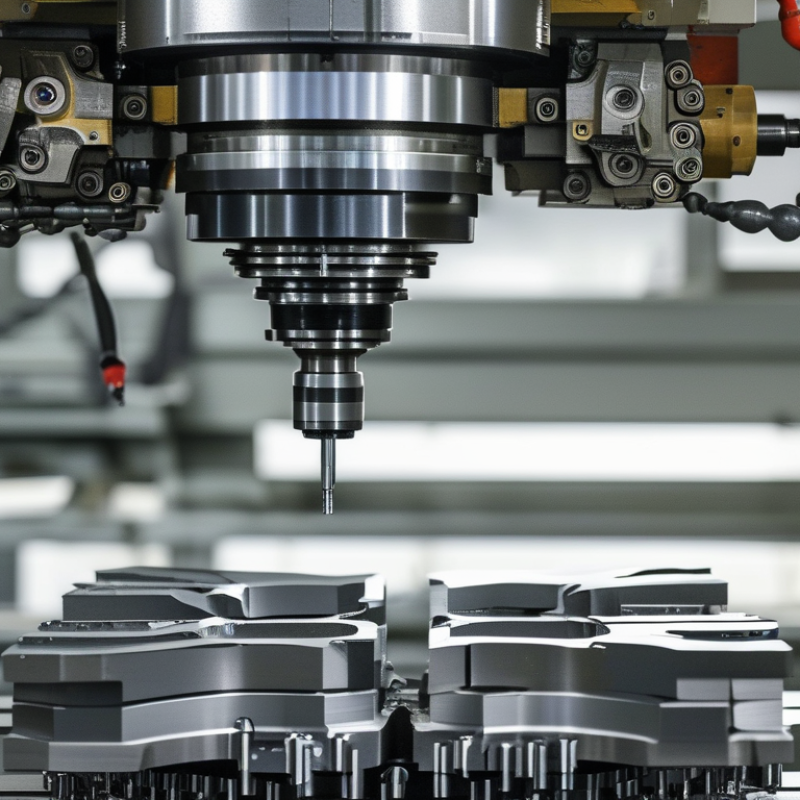
The realm of multi-axis CNC lathe design is experiencing rapid advancements. Emerging technologies are reshaping manufacturing practices. According to a recent report by Markets and Markets, the CNC machine tool market is projected to reach $110 billion by 2025, growing at a CAGR of 6.5%. This growth highlights the significance of innovation in CNC lathe design.
One major trend is the integration of IoT in CNC lathes. Smart lathes leverage data analytics to improve operational efficiency. These machines can monitor performance in real-time and predict maintenance needs. However, the reliance on data shows a potential weakness. Cybersecurity risks could threaten operational integrity if not managed properly.
Another promising technology is additive manufacturing integration with CNC lathes. This hybrid approach allows for complex geometries not feasible with traditional methods. While it opens up creative possibilities, it requires skilled personnel. The skill gap in this area introduces a challenge, as highly trained workers are essential for maximizing these innovations. Balancing technology adoption with workforce expertise is crucial for the future of multi-axis CNC lathe design.
The field of CNC lathe technology has seen remarkable advancements, particularly in precision engineering. Multi-axis CNC lathes have evolved to achieve greater accuracy and efficiency. These innovations allow manufacturers to produce complex geometries with high repeatability. Incorporating advanced sensors and real-time data analysis enhances machining processes. As a result, production times decrease while quality improves.
Tips: Consider investing in multi-axis lathes for increased versatility. This technology can streamline operations and reduce setup times. However, keep in mind that training operators is crucial to maximize these machines' potential.
Today's CNC lathes also embrace automation and IoT integration. Such features enable remote monitoring and predictive maintenance. Industry professionals must adapt to these trends, as they redefine traditional manufacturing roles. Nevertheless, the learning curve can be steep. Continuous improvement is essential for leveraging the latest technologies effectively.
Modern multi-axis CNC lathes are revolutionizing the manufacturing landscape. They offer advanced features that enhance precision and efficiency. One key feature is the ability to perform complex machining tasks in a single setup. This minimizes the need for multiple machines and setups, saving both time and labor costs.
Another important aspect is the integration of advanced tooling systems. These systems allow for quick changes and precise adjustments, enabling operators to achieve high-quality finishes. Enhanced software interfaces provide real-time monitoring, further improving reliability and performance. However, not all machines are equally user-friendly. Some operators find certain interfaces challenging, which can lead to frustrations.
Cloud connectivity is another emerging trend. Data from CNC machines can be analyzed and accessed remotely. This feature enables predictive maintenance, which can reduce downtimes. However, reliance on technology can sometimes lead to overconfidence. Manufacturers must ensure that personnel remain skilled in traditional techniques to handle machine failures effectively. As the industry evolves, ongoing training and adaptation remain crucial for maximizing the potential of these innovations.
In recent years, integrating automation and AI into CNC machining has transformed the industry. According to a report from Research and Markets, the CNC machining market is projected to reach $100 billion by 2026. This rapid growth is driven by advancements in AI technologies. These innovations are improving accuracy and efficiency in manufacturing processes.
Many manufacturers are adopting smart technologies, enabling machines to learn from data. AI algorithms analyze operational patterns, optimizing production schedules. For example, predictive maintenance can reduce downtime by up to 30%. However, the lack of skilled workers to manage these technologies remains a challenge.
Moreover, the trend towards digital twins—a virtual model of a physical machine—allows for real-time monitoring and simulation. This can enhance the decision-making process but requires a significant investment in training. The journey to full automation is not easy. Companies must adapt to new technologies while improving workforce capabilities. Balancing innovation with effective implementation is crucial for future growth.
The future of multi-axis CNC lathe innovations is set to transform the machining industry significantly. With advancements in automation and artificial intelligence, these machines are becoming smarter. Data from the global CNC machine market shows a compound annual growth rate (CAGR) of 6.3% from 2021 to 2028. This indicates strong investment in enhancing machine capabilities.
One promising direction is the integration of IoT technology. This allows for real-time monitoring and predictive maintenance, reducing downtime. Analysts estimate that companies implementing IoT in CNC lathes could reduce operational costs by up to 20%. However, challenges persist. Many firms struggle to adapt their existing systems to new technologies.
Tips: Embrace gradual upgrades. Begin integrating sensors into older machines for data gathering without full replacement. Moreover, consider investing in training for operators to maximize the benefits of advanced technologies. As these innovations continue to evolve, it's essential for manufacturers to remain flexible and willing to adapt. Collaboration among industry experts can drive new solutions, yet skepticism remains about the rapid pace of change. Balancing innovation with practical needs is crucial for sustained growth.
„Thanks to the LUVIR technology, the solder resist process could be switched directly from the previously used mask exposure to direct exposure. As an outstanding digital solution on the market, this technology has been able to demonstrate fast process times and superior quality on our certified conventional ink in production. This allowed us to fully digitize the solder mask process at low cost – without process or ink adjustments. An excellent benefit to our production in Rot am See.“
Ralf Göhringer (Head of Production WE Rot am See)
I would definitely recommend the Limata machine and team for a future company purchase
Michael Greenaway
Compunetics Inc.
“The Limata ldi has been amazing!! Best thing we did was buy this machine”
Richard Brady
GM
Circuitlabs
“Since 2019, we have been running the Limata X1000 LDI system (including LUVIR for solder mask imaging) in daily production as an addition to our current process with film. The machine was capable of properly exposing Taiyo PSR-4000 BN (DI) solder mask types on normal to high-copper boards using a new and unique direct imaging process. The machine operating interface is very user friendly which allowed for a quick technical training curve. The pre-registration processing reduced several seconds of production time at every print. Limata support and service staff is incomparable. They supported our team every step of the way at basically any time of the day or night, with literally, an immediate response time, customizing the software interface to best fit our Operations and needs.
We have exposed more than 8,000 prints since end of October, on various solder mask colors and some resist film panels. Limata, has proven to be very capable and innovative. They are a strong contender in the industry.
We have very much enjoyed this project, and working with the team!
Thank you Limata for the continued support and being a part of our growth.”
Bill Sezate
Vice President, GM
Summit Interconnect
As a replacement to our current contact exposure process with film, the LIMATA X2000 system including LUVIR-Technology was capable of properly exposing non-LDI solder mask types using a direct imaging process. The machine offers cutting edge software with a very intuitive operating interface which allowed for quick technician training curve. The dual drawer system combined with pre-registration processing reduced several seconds of production time at every machine cycle. Limata support and service staff is world class. They added software patches to keep production running at shortest possible response times, customized the software interface to best fit our in-house Operations system, and even wrote a step-by-step machine processing manual. As a result of the project, we have exposed more than 16,000 times on various product types and solder mask brands/colors. Limata, in a very short timeframe as a company, has definitely shown they are truly innovative and will be challenging the industry of direct imaging for the top spot.
Kevin Beattie
Process Engineer
TTM Technologies
Forest Grove Division
