The market for Nissan fuel injectors is evolving rapidly. Global demand for high-quality fuel injectors continues to grow. According to recent reports, the automotive fuel injector market is projected to reach over $5 billion by 2026, with Nissan fuel injectors being a significant portion of this growth. These injectors play a vital role in enhancing engine efficiency and reducing emissions.
China remains a dominant player in the manufacturing of Nissan fuel injectors. This country's advanced technology and competitive pricing attract buyers from around the globe. However, the complexity of automotive regulations can complicate the buying process. Buyers must ensure that they are sourcing products from reputable manufacturers to maintain engine performance and compliance with international standards.
While the supply chain for Nissan fuel injectors is robust, it’s essential to acknowledge potential pitfalls. Not all products meet the required quality standards. Conducting due diligence on suppliers is critical. Quality assurance measures can help mitigate risks associated with poor-quality injectors. Ultimately, informed and cautious buying decisions are essential for global customers seeking reliable Nissan fuel injectors.
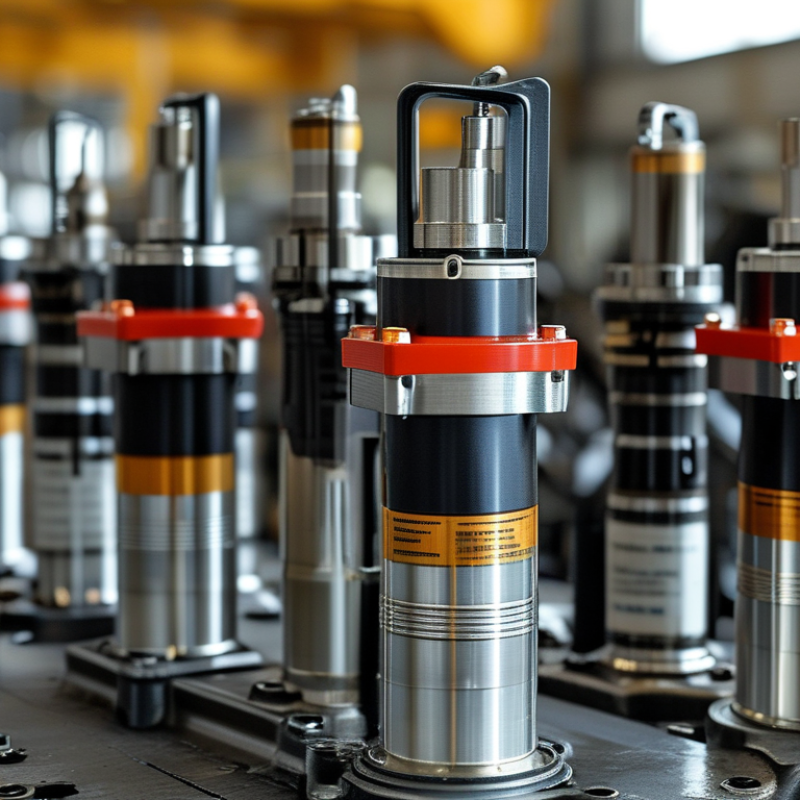
In 2026, China's landscape for Nissan fuel injectors is evolving rapidly. Manufacturers are innovating to meet global demands effectively. Many companies focus on precision engineering and advanced technology. By investing in R&D, they aim to enhance performance and efficiency. This commitment to quality sets them apart in a competitive market.
Several manufacturers have established a strong reputation. They offer reliable products that comply with international standards. Many global buyers have turned to Chinese manufacturers for their fuel injectors. Cost-effectiveness is a significant factor driving this trend. However, some companies still struggle with consistency in quality. This inconsistency can lead to frustrations for buyers looking for reliability.
The shift towards digital manufacturing processes is noticeable. It allows for better quality control and faster production times. Yet, there’s a need for continuous improvement to avoid common pitfalls. Companies must address issues like supply chain disruptions and changing regulations. Attention to these details will be crucial for maintaining their market positions. As the industry develops, buyers must remain vigilant and informed.
| Injector Type | Flow Rate (cc/min) | Resistance (Ohms) | Application | Warranty (Years) |
|---|---|---|---|---|
| Side Feed | 280 | 12 | Nissan Sentra | 2 |
| Top Feed | 350 | 14 | Nissan Altima | 2 |
| Multi-Point | 300 | 16 | Nissan Rogue | 3 |
| Direct Injection | 400 | 8 | Nissan Maxima | 3 |
The global market for fuel injectors is changing rapidly. Demand is driven by various trends that shape how industries operate. One noticeable shift is the growing emphasis on fuel efficiency. Consumers increasingly prefer vehicles that provide better mileage. This impacts fuel injector technology. Enhanced performance is now a priority for manufacturers.
In addition, environmental regulations are more stringent than ever. Governments are pushing for cleaner emissions. This leads to an increased need for advanced fuel injector systems. Companies are investing in research and development. However, some manufacturers struggle to keep up with these demands. Challenges arise in balancing cost and innovation.
Another trend is the rise of electric vehicles. While traditional fuel injectors may see reduced demand, hybrids still rely on them. Understanding these dynamics is crucial for suppliers. They face a complex landscape while navigating market demands. The focus must remain on quality, reliability, and efficiency.
The automotive industry is witnessing a significant transformation. Chinese companies are leading the charge with innovative technology in fuel injectors. These components play a crucial role in engine performance. Efficient fuel injectors ensure optimal fuel delivery and improve emissions.
One of the notable advancements is the development of advanced atomization techniques. This results in better combustion efficiency. Improved injector designs leverage precision engineering to enhance durability. However, challenges remain in meeting strict global emission standards.
The competitive landscape is intense. Many firms focus on enhancing the interoperability of their products. Still, there is room for improvement in testing methods. Ensuring reliability and longevity under varying conditions is essential. Continuous feedback from real-world applications can drive innovations forward.
In the world of automotive components, fuel injectors play a crucial role. Quality standards for these parts are paramount, especially in manufacturing hubs like China. Many buyers across the globe seek reliable fuel injectors. They need assurance that these components meet strict quality assurances.
China's manufacturing industry is evolving. Factories strive for international certifications that validate their production processes. However, not all factories meet these standards consistently. It is essential for buyers to conduct thorough research and request documentation. Quality control measures vary among manufacturers, leaving room for error.
In this landscape, transparency is key. Buyers should look for factories that provide detailed information about their certifications and engineering practices. This will foster trust and reliability in their products. A keen eye on these factors can make a difference in ensuring long-lasting engine performance. Understanding the nuances of fuel injector quality can lead to better purchasing decisions.
As we look towards 2026, the Nissan fuel injector market is projected to undergo significant changes. A recent industry report estimates the global fuel injector market will reach approximately $6.5 billion by 2026, growing at a CAGR of around 6.5%. This surge can be attributed to the rising demand for fuel-efficient vehicles and stricter emission regulations worldwide. In regions like Asia-Pacific, the market is expected to expand rapidly due to increasing automotive production.
The shift toward electric and hybrid vehicles poses a unique challenge. Traditional fuel injectors may see a decline as manufacturers pivot. However, the need for advanced fuel injection technology in combustion engines will remain crucial. Notably, direct fuel injection systems are gaining traction for their efficiency in reducing fuel consumption. This is particularly relevant as consumers become more environmentally conscious. The industry must adapt to these needs while ensuring that injector performance meets heightened standards.
Despite optimistic projections, there are potential hurdles. Supply chain disruptions and geopolitical issues could impact manufacturing and distribution. Additionally, OEMs must navigate a landscape filled with rapid technological changes, demanding continuous innovation. The focus will be on developing injectors that align with evolving automotive trends. Balancing efficiency with environmental responsibility will be the key to success in the coming years.
„Thanks to the LUVIR technology, the solder resist process could be switched directly from the previously used mask exposure to direct exposure. As an outstanding digital solution on the market, this technology has been able to demonstrate fast process times and superior quality on our certified conventional ink in production. This allowed us to fully digitize the solder mask process at low cost – without process or ink adjustments. An excellent benefit to our production in Rot am See.“
Ralf Göhringer (Head of Production WE Rot am See)
I would definitely recommend the Limata machine and team for a future company purchase
Michael Greenaway
Compunetics Inc.
“The Limata ldi has been amazing!! Best thing we did was buy this machine”
Richard Brady
GM
Circuitlabs
“Since 2019, we have been running the Limata X1000 LDI system (including LUVIR for solder mask imaging) in daily production as an addition to our current process with film. The machine was capable of properly exposing Taiyo PSR-4000 BN (DI) solder mask types on normal to high-copper boards using a new and unique direct imaging process. The machine operating interface is very user friendly which allowed for a quick technical training curve. The pre-registration processing reduced several seconds of production time at every print. Limata support and service staff is incomparable. They supported our team every step of the way at basically any time of the day or night, with literally, an immediate response time, customizing the software interface to best fit our Operations and needs.
We have exposed more than 8,000 prints since end of October, on various solder mask colors and some resist film panels. Limata, has proven to be very capable and innovative. They are a strong contender in the industry.
We have very much enjoyed this project, and working with the team!
Thank you Limata for the continued support and being a part of our growth.”
Bill Sezate
Vice President, GM
Summit Interconnect
As a replacement to our current contact exposure process with film, the LIMATA X2000 system including LUVIR-Technology was capable of properly exposing non-LDI solder mask types using a direct imaging process. The machine offers cutting edge software with a very intuitive operating interface which allowed for quick technician training curve. The dual drawer system combined with pre-registration processing reduced several seconds of production time at every machine cycle. Limata support and service staff is world class. They added software patches to keep production running at shortest possible response times, customized the software interface to best fit our in-house Operations system, and even wrote a step-by-step machine processing manual. As a result of the project, we have exposed more than 16,000 times on various product types and solder mask brands/colors. Limata, in a very short timeframe as a company, has definitely shown they are truly innovative and will be challenging the industry of direct imaging for the top spot.
Kevin Beattie
Process Engineer
TTM Technologies
Forest Grove Division
