In the global marketplace, sourcing reliable materials is crucial. China Steel Products stand out for their quality and versatility. Many international buyers seek these products to meet their diverse needs. The Chinese steel industry has grown significantly, becoming a leader in production and innovation.
However, navigating the vast array of options can be challenging. Buyers should consider factors such as material grades, finishing processes, and supplier reliability. Each product serves different applications, from construction to manufacturing. Understanding these details can significantly impact project success.
As you explore this market, remember there’s always room for improvement. Researching suppliers and products thoroughly is essential. While China offers a wide selection, finding the right fit requires diligence and caution. With the right approach, sourcing quality China steel products can pave the way for successful projects abroad.
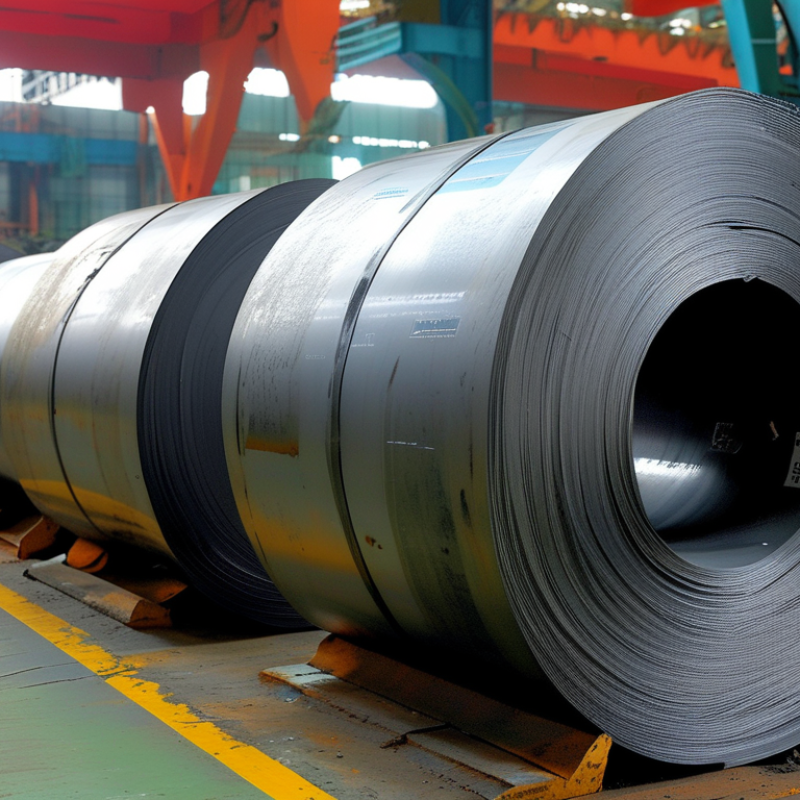
China's steel industry has carved a significant niche in global markets, providing a wide range of products that meet diverse demands. A prominent offering is hot-rolled steel sheets, known for their versatility in construction and manufacturing. Their strength and durability make them a preferred choice for many industries. Another key product is cold-rolled steel, which is thinner and has a smoother surface. It's ideal for appliances and automotive parts, yet it can be challenging to source consistently.
Stainless steel products are also highly sought after. Their resistance to corrosion and aesthetic appeal drives demand in architecture, kitchens, and medical applications. Galvanized steel, coated with zinc, is essential for outdoor structures due to its weather-resistant properties. However, it's important to pay attention to quality and thickness, as variability can impact the final application. Lastly, the growing trend of eco-friendly steel products is emerging. Buyers are increasingly interested in sourcing materials manufactured with reduced carbon footprints, reflecting a shift towards sustainable practices.
| Product Type | Specifications | Application | Annual Production (Metric Ton) | Export Markets |
|---|---|---|---|---|
| Hot Rolled Steel | Thickness: 3-25mm | Construction, Automotive | 30 million | North America, Europe |
| Cold Rolled Steel | Thickness: 0.1-3mm | Appliances, Electronics | 20 million | Asia, Australia |
| Galvanized Steel | Thickness: 0.5-3mm | Construction, Fencing | 25 million | Middle East, Africa |
| Stainless Steel | Grades: 201, 304, 316 | Culinary, Chemical | 15 million | Europe, Americas |
| Structural Steel | Angles, Beams, Plates | Bridges, Buildings | 18 million | Asia, South America |
| Wire Rods | Diameter: 5.5-16mm | Wire Products, Fencing | 22 million | North America, Europe |
| Seamless Pipes | Diameter: 1/2'' - 30'' | Oil & Gas, Construction | 12 million | Middle East, Asia |
| Welded Pipes | Diameter: 1/2'' - 48'' | Infrastructure, Plumbing | 30 million | Europe, Africa |
| Rebar | Diameter: 10-32mm | Construction, Infrastructure | 40 million | Asia, Americas |
| Metal Sheets | Thickness: 0.5-5mm | Appliances, Automotive | 27 million | North America, Europe |
China's steel products are increasingly appealing to global buyers. Manufacturers focus on quality and compliance with international standards. Key features such as durability, corrosion resistance, and versatility make them stand out in the market. These products serve various industries, from construction to automotive.
When sourcing steel, you want to ensure the reliability of your suppliers. Check their certifications and production processes. A good practice is to request samples before making large orders. This step can help you evaluate quality effectively.
Buyers should also consider the technology used in production. Advanced techniques improve the quality of steel products, leading to fewer defects. Remember, cost is not the only factor. Investing in high-quality steel can save money in the long run. Always maintain a critical eye on product specifications before finalizing deals.
The global demand for Chinese steel products is growing. In 2023, China's steel production accounted for over 50% of global supply. Factors such as infrastructure development and urbanization drive this increase. Reports indicate that countries in Southeast Asia, along with parts of Africa, are key markets. They require low-cost steel for construction and manufacturing.
Market changes are evident in various sectors. According to the World Steel Association, construction, automotive, and energy sectors are major consumers. They need different steel grades, influencing China's production strategies. Despite robust demand, quality issues and price fluctuations remain challenges. Some buyers express concerns about consistency in product quality, which is essential for long-term contracts.
Trade dynamics are also shifting. Recent tariffs and environmental regulations impact pricing and availability. Buyers must stay informed about these trends. Understanding local regulations in different countries helps navigate potential hurdles. Engaging with reliable data sources ensures informed decision-making. In this evolving market, flexibility and responsiveness to changes are crucial for success in sourcing steel from China.
Sourcing from the Chinese steel industry offers exciting opportunities for global buyers. Understanding the market nuances is key. Reports indicate that China produces over 50% of the world’s steel, highlighting its dominant position. Buyers should focus on well-researched sourcing strategies to navigate this vast market effectively.
One approach is leveraging local networks. Establishing connections with suppliers can provide insights into pricing and product availability. According to industry data, steel prices in China have shown significant variation, influenced by demand and production costs. Staying informed about these fluctuations can help buyers make better decisions.
Tips: Don’t overlook smaller suppliers. They can offer competitive prices and unique products. Always verify the quality of materials. Request samples and check certifications. It is essential to maintain clear communication to mitigate misunderstandings.
Another consideration is logistics. Shipping from China involves complexities. Buyers must account for tariffs, shipping times, and customs regulations. Working with a reliable logistics partner can ease these challenges. Data suggests that delays can cost companies significantly, impacting their supply chains. Being proactive can save time and money.
Doing thorough research and being adaptable are crucial. A deeper understanding of the market can help global buyers thrive in China's steel industry.
China's steel manufacturing sector is known for its rapid growth and scale. However, quality assurance remains a crucial focus for global buyers. Standards in this industry can vary significantly. Buyers must be aware of these differences and seek suppliers that adhere to international guidelines.
Quality assurance in steel production involves several parameters. These include tensile strength, ductility, and corrosion resistance. The use of advanced testing methods is becoming increasingly common. These methods ensure that the final products meet strict quality benchmarks. Yet, inconsistencies still exist across different manufacturers. It highlights the need for thorough due diligence.
Collaborating with suppliers that maintain certifications can mitigate risk. Look for entities certified by recognized organizations. This can provide a level of assurance regarding product reliability. Nonetheless, it is essential to communicate expectations clearly. Conducting regular audits can also keep everyone aligned. The process is not perfect, and continuous improvement is necessary for better outcomes.
„Thanks to the LUVIR technology, the solder resist process could be switched directly from the previously used mask exposure to direct exposure. As an outstanding digital solution on the market, this technology has been able to demonstrate fast process times and superior quality on our certified conventional ink in production. This allowed us to fully digitize the solder mask process at low cost – without process or ink adjustments. An excellent benefit to our production in Rot am See.“
Ralf Göhringer (Head of Production WE Rot am See)
I would definitely recommend the Limata machine and team for a future company purchase
Michael Greenaway
Compunetics Inc.
“The Limata ldi has been amazing!! Best thing we did was buy this machine”
Richard Brady
GM
Circuitlabs
“Since 2019, we have been running the Limata X1000 LDI system (including LUVIR for solder mask imaging) in daily production as an addition to our current process with film. The machine was capable of properly exposing Taiyo PSR-4000 BN (DI) solder mask types on normal to high-copper boards using a new and unique direct imaging process. The machine operating interface is very user friendly which allowed for a quick technical training curve. The pre-registration processing reduced several seconds of production time at every print. Limata support and service staff is incomparable. They supported our team every step of the way at basically any time of the day or night, with literally, an immediate response time, customizing the software interface to best fit our Operations and needs.
We have exposed more than 8,000 prints since end of October, on various solder mask colors and some resist film panels. Limata, has proven to be very capable and innovative. They are a strong contender in the industry.
We have very much enjoyed this project, and working with the team!
Thank you Limata for the continued support and being a part of our growth.”
Bill Sezate
Vice President, GM
Summit Interconnect
As a replacement to our current contact exposure process with film, the LIMATA X2000 system including LUVIR-Technology was capable of properly exposing non-LDI solder mask types using a direct imaging process. The machine offers cutting edge software with a very intuitive operating interface which allowed for quick technician training curve. The dual drawer system combined with pre-registration processing reduced several seconds of production time at every machine cycle. Limata support and service staff is world class. They added software patches to keep production running at shortest possible response times, customized the software interface to best fit our in-house Operations system, and even wrote a step-by-step machine processing manual. As a result of the project, we have exposed more than 16,000 times on various product types and solder mask brands/colors. Limata, in a very short timeframe as a company, has definitely shown they are truly innovative and will be challenging the industry of direct imaging for the top spot.
Kevin Beattie
Process Engineer
TTM Technologies
Forest Grove Division
